
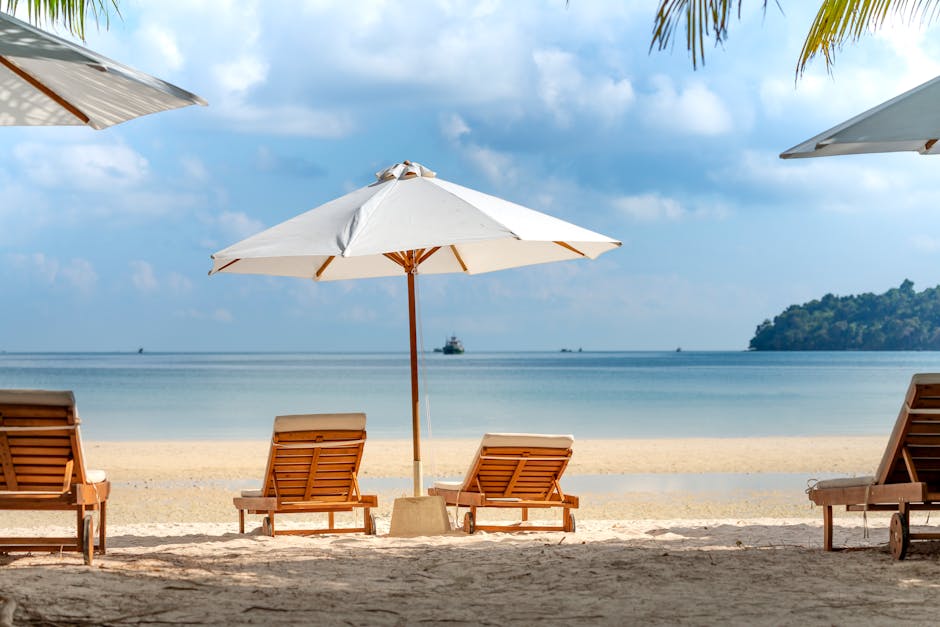
Deciding when to touch down at Sangster International Airport involves more than just checking a five-day forecast. While many tropical destinations offer a binary choice between “wet” and “dry,” Jamaica operates on a more complex rhythm dictated by trade winds, mountain rain shadows, and a high-stakes cultural calendar. The island does not simply have a peak season; it has a series of micro-windows that cater to different types of travelers, from the budget-conscious backpacker to the luxury seeker looking for the perfect Blue Mountain backdrop.
A common misconception regarding Caribbean travel suggests that the region is effectively closed for business during the Atlantic hurricane season. Travelers often assume that booking a flight between June and November is a gamble against constant torrential downpours and atmospheric chaos. The reality, when analyzed through historical meteorological data and local hospitality trends, is far more nuanced. Jamaica does not experience a uniform “bad” season; instead, it offers a series of trade-offs between crowd density, precipitation levels, and financial expenditure.
Understanding Jamaica’s Tropical Climate Cycles
Jamaica operates on a tropical maritime climate, which means temperatures remain relatively stable throughout the year, typically hovering between 78°F and 88°F (25°C to 31°C). However, the defining factor for most visitors is the rainfall. The island experiences two distinct rainy seasons: May to June and October to November. During these months, the precipitation is usually intense but brief, often occurring in the late afternoon. This is quite different from the grey, overcast days common in northern latitudes.
The “Blue Northers” are another meteorological phenomenon to consider. These are cold fronts that drift down from North America between December and March. While they rarely drop temperatures below the mid-70s, they can cause “surge” conditions on the North Coast, leading to rougher seas and cooler evening breezes. For travelers staying in high-elevation areas like Mandeville or the Blue Mountains, these fronts can necessitate a light jacket, as temperatures can dip into the 60s at night.
The Winter Dry Season (December to April)
This period is statistically the driest and most temperate. Humidity levels drop, making the heat feel less oppressive. This is the peak of the tourist season for a reason: the weather is near-perfect for beach activities and hiking in the Blue Mountains. If your primary goal is guaranteed sunshine for a short five-day trip, this window is the most reliable. However, reliability comes at a premium, with resorts often reaching 100% occupancy by mid-January.
The Mid-Summer Drought (July and August)
Interestingly, many travelers overlook a secondary dry window that occurs in mid-summer. While officially part of the hurricane season, July often sees a significant dip in rainfall compared to June or October. This period is characterized by high heat and high humidity, making it ideal for those who enjoy warm water temperatures for snorkeling and diving. The sea is often at its calmest during these months, providing excellent visibility for coral reef exploration in Negril or Montego Bay. Water temperatures during this window can reach a balmy 84°F (29°C), which is significantly warmer than the 79°F (26°C) seen in February.
| Month | Avg. High Temp | Avg. Rainfall | Crowd Level | Best Activity |
|---|---|---|---|---|
| January | 82°F | 2.0 in | High | Hiking & Beach |
| March | 84°F | 1.5 in | Peak | Sailing & Festivals |
| May | 86°F | 5.9 in | Medium | River Rafting |
| July | 88°F | 3.1 in | Medium-High | Diving & Music |
| October | 87°F | 7.1 in | Low | Indoor Cultural Tours |
| December | 83°F | 3.5 in | High | Holiday Events |
The Geography of Choice: Why Location Trumps Timing
While the calendar is important, where you stay in Jamaica can be just as impactful as when you visit. The island’s topography, dominated by the Blue Mountains, creates significant rain shadows. This means that while one side of the island is experiencing a tropical deluge, the other might be bathed in golden sunlight. Understanding these regional microclimates allows for a more strategic approach to timing than simply following the peak winter rush.
The North Coast vs. The South Coast
The North Coast (Montego Bay, Ocho Rios) is the most developed for tourism and receives moderate rainfall. In contrast, the Northeast coast around Port Antonio is lush and tropical because it catches the brunt of the trade winds. This area sees significantly more rain than the rest of the island, which is why it remains so vibrantly green. Conversely, the South Coast, including Treasure Beach, is much more arid. It is often the best place to head during the “wet” months of May or October if you want to avoid the rain, as the central mountain range acts as a physical barrier against northern storm systems.
Kingston and the Blue Mountains
The capital city of Kingston and the surrounding mountains have their own weather patterns. Kingston is generally hotter and drier than the coastal resort towns. The Blue Mountains, however, can be shrouded in mist and clouds even during the “dry” season. For hikers, the best time to visit the mountains is between February and March, when the trails are least likely to be muddy and the coffee harvest is in full swing. If you visit in the peak of summer, be prepared for intense afternoon thunderstorms that can make mountain roads treacherous.
The Economic Trade-off: High Season vs. Value Season Pricing
The financial cost of visiting Jamaica fluctuates as dramatically as the barometer. High season, which begins in mid-December and runs through mid-April, sees hotel rates spike by 30% to 50%. During this time, popular resorts in Rose Hall or the Seven Mile Beach area reach near-total capacity. For travelers who prioritize value over the certainty of a cloudless sky, the shoulder seasons offer the most logical compromise.
Maximizing Value in the Shoulder Months
May and November are the traditional “sweet spots” for the Jamaican travel market. During these months, you can often find luxury villas and all-inclusive resorts offering significant discounts to maintain occupancy. This is also when you are most likely to receive room upgrades or complimentary resort credits. If you are managing your travel budget through a high-yield account or using a travel-focused credit card, these savings can be substantial.
For instance, using an HSBC Premier World Elite Mastercard (available via finance partners) is a strategic move for high-end Jamaican travel.
Price: Annual fee typically around $395 (subject to account status).
Specs: No foreign transaction fees, 3x points on travel, and comprehensive lounge access.
Pros: The travel insurance included is robust enough to cover many common Caribbean disruptions, and the lack of foreign fees saves roughly 3% on every off-resort transaction.
Cons: Requires a high-tier banking relationship with HSBC, making it inaccessible for casual travelers.
Budgeting for Local Expenses
While resort prices fluctuate, local costs for food and transport remain relatively stable. However, the exchange rate can vary. It is often more economical to pay in Jamaican Dollars (JMD) for off-resort excursions. Having a financial strategy that includes a card with no-fee ATM withdrawals is helpful. Many travelers find that the “low season” (September and October) provides the lowest entry price for airfare, though this coincides with the peak of the hurricane risk. During these months, it is not uncommon to find round-trip flights from major US hubs for under $300, whereas the same flight in March could exceed $700.
Planning a trip during the low season requires a flexible mindset. While you save money on the front end, you must account for the possibility of disrupted itineraries due to weather.
Navigating Hurricane Season: Data and Risk Mitigation
The Atlantic hurricane season officially runs from June 1st to November 30th. Statistically, the peak activity occurs between late August and October. While the probability of a direct hit during any given week is low, the impact on travel can be significant. This is where risk management becomes a critical part of the planning process. Relying on “hope” is not a strategy; instead, data-driven travelers look for specific protections.
The Role of Travel Insurance
If you are visiting during the autumn months, comprehensive travel insurance is mandatory. Look for policies that specifically include “Hurricane Benefits” or “Cancel for Any Reason” (CFAR) clauses. A reputable provider like Allianz Global Assistance offers various tiers of protection.
Price: Their OneTrip Prime plan typically costs 5-10% of your total trip cost.
Specs: Includes trip interruption, emergency medical, and baggage delay coverage.
Pros: Includes coverage for trip cancellation if a hurricane warning is issued for your destination by the National Weather Service.
Cons: CFAR upgrades are expensive and usually only reimburse 50-75% of non-refundable costs, and you must purchase the policy within a short window of your initial trip deposit.
Regional Safety Variations
Not all parts of Jamaica are equally affected by storm surges. The South Coast, including Treasure Beach, is often more shielded by the island’s central mountain range than the North Coast. When a storm approaches from the east, the mountains can act as a physical barrier, though this can also lead to increased rainfall on the windward side. Monitoring the National Hurricane Center (NHC) updates is essential if traveling during this window. Modern resort construction in Jamaica is generally robust, built to withstand high wind speeds, but the primary inconvenience is often the cancellation of flights and water-based excursions rather than structural danger.
Cultural Timing: Festivals and the Local Calendar
For some, the best time to visit Jamaica has nothing to do with the weather and everything to do with the cultural pulse. The island’s event calendar is dense, particularly regarding music and food. Timing your visit to coincide with these events provides a depth of experience that a standard beach holiday lacks, though it requires booking months in advance.
Reggae Sumfest and Carnival
Reggae Sumfest, held in Montego Bay every July, is the largest music festival in the Caribbean. It attracts international crowds and the biggest names in Dancehall and Reggae. While the heat in July is intense, the energy of the festival is unparalleled. Conversely, Jamaica Carnival (Bacchanal) usually peaks in April. This period sees Kingston and parts of Ocho Rios transform with parades and “fetes.” April is a high-demand month, so expect peak pricing for both flights and accommodation. If you plan to attend Carnival, booking your costume and event tickets at least six months in advance is standard practice.
Food Festivals and Harvests
If you prefer a quieter cultural experience, consider the Portland Jerk Festival in July or the Jamaica Food & Drink Festival in Kingston, typically held in October. The latter is an excellent reason to visit the capital city during what is otherwise a rainy month. The events are often held in covered or indoor venues, mitigating the weather risk. For coffee enthusiasts, the Blue Mountain Coffee Festival in March offers a chance to see the harvest process during the driest part of the year. This is a unique opportunity to taste “cherry” (unprocessed coffee) and meet the farmers who produce some of the world’s most expensive beans.
The Cruise Ship Impact: Managing the Mid-Day Crowds
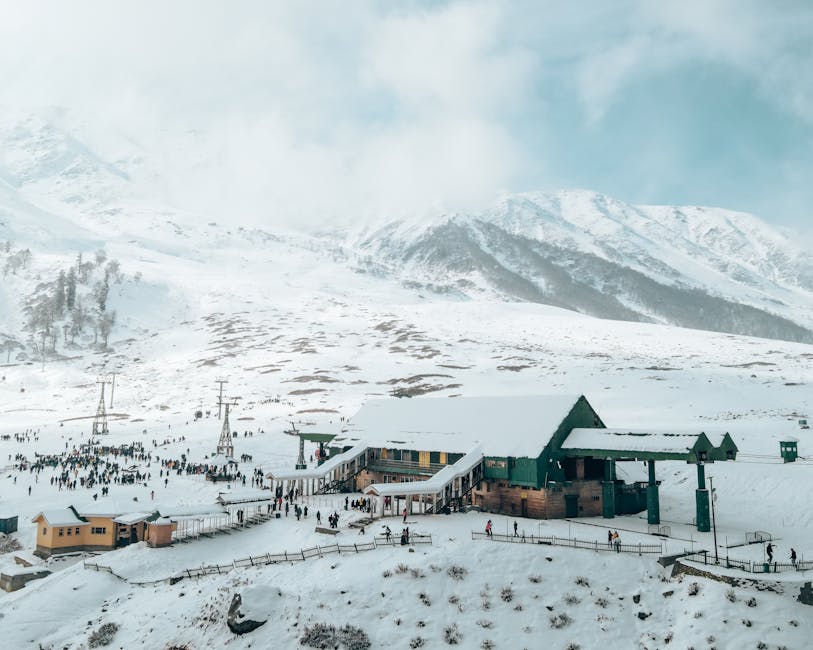
One of the most common mistakes travelers make when visiting Jamaica is failing to account for the cruise ship schedule. In ports like Montego Bay, Ocho Rios, and Falmouth, a single day can see 5,000 to 10,000 passengers disembark simultaneously. This influx can turn a serene visit to Dunn’s River Falls into a crowded, frustrating experience.
To avoid this, check the cruise port schedules online before planning your excursions. Generally, Tuesday, Wednesday, and Thursday are the busiest port days. If you are staying at a land-based resort, plan your major sightseeing for Monday or Friday. Alternatively, visit popular spots like the Blue Hole or the Luminous Lagoon very early in the morning or late in the afternoon after the cruise passengers have returned to their ships. This simple scheduling adjustment can drastically improve the quality of your trip without costing a cent.
Essential Gear and Connectivity for the Jamaican Terrain
Regardless of when you visit, the Jamaican environment demands specific gear. The combination of high humidity, salt air, and sudden tropical downpours can be hard on electronics and luggage. Furthermore, staying connected while moving between the “bush” and the beach requires a modern approach to telecommunications.
Connectivity and Roaming
Relying on hotel Wi-Fi is often frustrating, especially in older boutique properties with thick stone walls. For reliable data, an eSIM is the most efficient solution. The Airalo Discover eSIM is a top-tier recommendation for international travelers.
Price: Ranges from $9 for 1GB (7 days) to $35 for 10GB (30 days).
Specs: Operates on local LTE/4G networks; data-only.
Pros: Instant activation via QR code and no need to swap physical SIM cards.
Cons: Data-only; you won’t have a local Jamaican number for calling taxis or making dinner reservations unless you use an app like WhatsApp, which is the standard communication tool in Jamaica anyway.
Luggage and Protection
Given the frequent transfers between airports, shuttles, and perhaps small boats, your luggage needs to be resilient. The Samsonite Freeform Hardside Expandable Luggage (available via retail partners) is a frequent recommendation for Caribbean travel.
Price: Approximately $180-$200 for a 21-inch carry-on.
Specs: Polycarbonate shell, 360-degree double spinner wheels, TSA-compatible lock.
Pros: Extremely lightweight and the double wheels handle uneven pavement in Kingston or Montego Bay well.
Cons: The polycarbonate shell scuffs easily, which may bother those who prefer a pristine aesthetic.
Capturing the Experience
Because so much of Jamaica’s appeal involves water—waterfalls, lagoons, and reef diving—a standard smartphone camera often isn’t enough. The GoPro HERO12 Black is the industry standard for this environment.
Price: Approx. $399.
Specs: 5.3K video resolution, waterproof to 33ft without a housing, and advanced stabilization.
Pros: Essential for climbing Dunn’s River Falls or cliff jumping in Negril. The stabilization makes even bumpy Jeep tours look professional.
Cons: Battery life is notoriously short in high-heat environments, so purchasing extra batteries is a necessity.
Final Summary: Timing Your Visit
- Dry Season (Dec-Apr): Best for hiking, bird watching, and guaranteed beach days. Ideal for first-time visitors who don’t mind crowds.
- Shoulder Season (May, Nov): Best for luxury travelers seeking 5-star experiences at 3-star prices. Expect some rain, but mostly in short bursts.
- Summer (Jul-Aug): Best for divers and music fans attending Sumfest. It will be hot, so plan for water-based activities.
- Low Season (Sep-Oct): Best for long-term travelers, digital nomads, or those with comprehensive travel insurance and a flexible itinerary.
Ultimately, the best time to visit Jamaica is a function of your tolerance for risk versus your desire for value. The data suggests that for most people, the transition weeks in early December or late April provide the most consistent balance of pleasant weather and manageable crowds. However, for the analytical traveler, the “value” found in a rainy October—protected by a robust insurance policy and a high-quality rain shell—offers a version of the island that is quiet, lush, and remarkably affordable. By aligning your destination on the island with the specific month of your visit, you can hack the tropical climate to ensure your Jamaican experience is exactly what you envisioned.
