
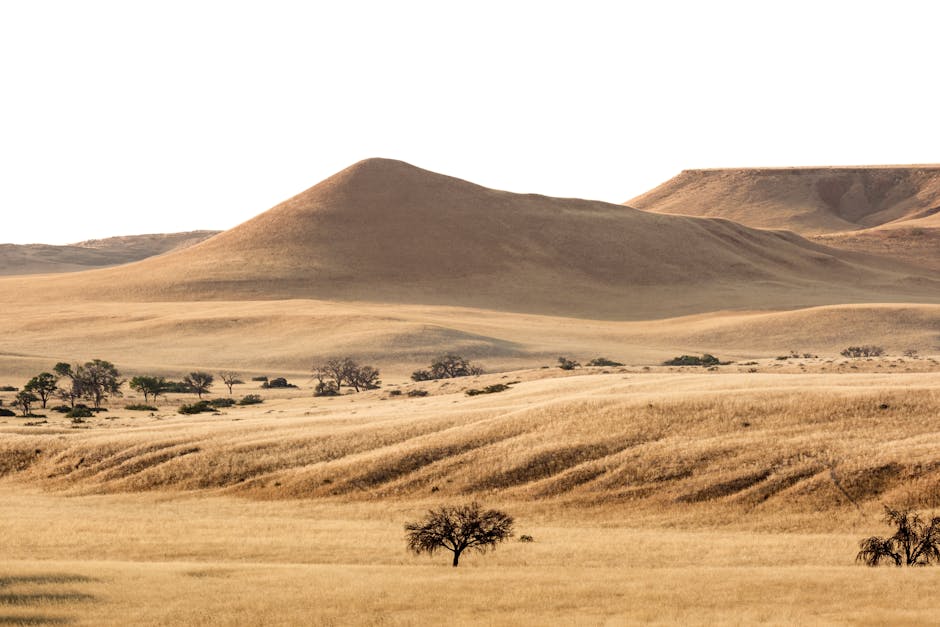
In 2026, Namibia recorded 432 road fatalities. That’s roughly 16 deaths per 100,000 people — more than double the global average. Most of those accidents involved tourists driving unfamiliar vehicles on gravel roads at the wrong speed. Solo travelers make up a disproportionate share of the incidents because there’s no second set of eyes to catch the pothole, the kudu, or the sudden sand drift.
This article is not meant to scare you. It’s meant to make you drive slower, plan smarter, and carry the right gear. Namibia is one of the most rewarding solo destinations on the planet — but it punishes mistakes fast. Here’s what you need to know before you turn the key.
Why Namibia Is Different From Every Other Solo Trip
Most solo travel articles talk about hostels, meeting people, and wandering cities. Namibia is the opposite. You will spend hours — sometimes entire days — without seeing another vehicle. Cell service vanishes 50 kilometers outside any town. The nearest fuel station might be 300 kilometers away.
The fundamental problem Namibia solves for solo travelers is this: it’s one of the few places on earth where you can experience absolute solitude without crossing a border or hiring a guide. The tradeoff is that you become entirely responsible for your own safety.
Three numbers define every solo Namibia trip:
- 80 km/h — maximum safe speed on gravel roads, regardless of what the speed limit sign says
- 4 liters per person per day — minimum drinking water you must carry, plus extra for cooking and washing
- 500 km — distance between major fuel stops on some routes (Sesfontein to Opuwo, for example)
If you treat Namibia like a European road trip, you will run out of fuel or water or both. If you treat it like an expedition, you’ll have the trip of your life.
The Vehicle Decision: Rental vs. Your Own Car
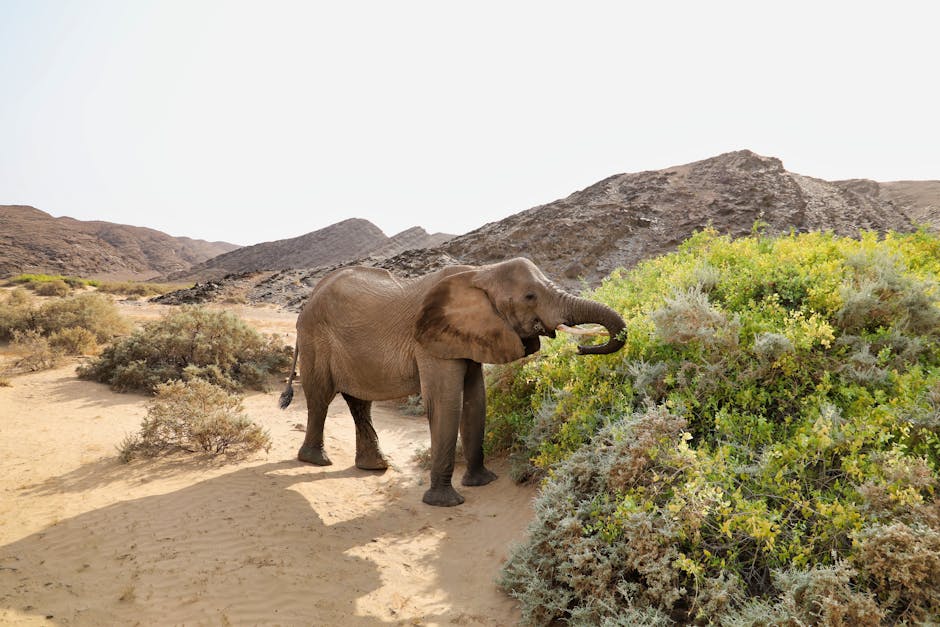
This is the single most important choice you will make. Get it wrong, and the trip ends before it starts.
What most rental companies won’t tell you
Standard 2WD sedans from international chains like Avis or Europcar are not allowed on gravel roads in Namibia. The fine print in your contract explicitly prohibits it. If you damage the undercarriage on a gravel road — and you will — the rental company can charge you the full replacement cost. That’s typically $15,000 to $30,000 for a Toyota Rav4.
The only vehicles permitted on gravel by most rental contracts are 4x4s with high ground clearance. The standard solo rental is a Toyota Hilux double cab or Nissan Navara. Expect to pay $80–$120 per day including full insurance with zero excess. Budget companies like Bushlore and Savannah Adventures specialize in overland vehicles and include a rooftop tent, cooking gear, and a second spare tire.
When a 4×4 is actually necessary
Most main tourist routes — Windhoek to Sossusvlei, Sossusvlei to Swakopmund, Swakopmund to Etosha — are graded gravel roads. A 2WD high-clearance vehicle can handle them in dry conditions. You need true 4×4 in three situations:
- Sand driving in Sossusvlei (the last 5 km to Deadvlei require 4×4 low range)
- Deep sand tracks in Damaraland and Kaokoland
- After heavy rain, when gravel roads turn to mud that can trap any vehicle
My recommendation for a first-time solo traveler: Rent a Toyota Hilux 4×4 with a canopy (not a rooftop tent) from Bushlore. The canopy locks securely, keeps dust off your gear, and lets you sleep in the back if you want. Rooftop tents are fine but require climbing down to use the bathroom at night — a real annoyance when you’re alone.
Route Planning: The Three-Corner Loop That Actually Works
Most solo travelers in Namibia follow a variation of the same route. It exists for good reason: it minimizes long driving days while hitting the major sights. Here’s the version I recommend for 12–14 days.
| Day | Route | Distance | Driving Time | Notes |
|---|---|---|---|---|
| 1 | Windhoek to Sossusvlei | 340 km | 4.5 hours | Leave by 7am. Buy water and food in Windhoek. |
| 2 | Sossusvlei dunes | 60 km (round trip) | 1.5 hours | Enter park at sunrise. Deadvlei by 9am. |
| 3 | Sossusvlei to Swakopmund | 360 km | 5 hours | Gravel road. Check tire pressure before leaving. |
| 4 | Swakopmund rest day | 0 km | — | Book a sandboarding or quad bike tour. |
| 5 | Swakopmund to Cape Cross to Uis | 250 km | 3.5 hours | Cape Cross seal colony is worth 45 minutes. |
| 6 | Uis to Spitzkoppe to Etosha (south gate) | 400 km | 5.5 hours | Spitzkoppe is a 1-hour detour. Camp there if possible. |
| 7–9 | Etosha National Park | varies | — | Drive the eastern side. Okaukuejo waterhole at night. |
| 10 | Etosha to Windhoek | 430 km | 5 hours | Take the B1 highway. Paved all the way. |
This loop covers the four essential Namibia experiences: dunes, coast, desert mountains, and wildlife. It keeps driving days under 5 hours, which matters because gravel roads are exhausting. After 5 hours on a corrugated road, your concentration drops and your risk of an accident triples.
Safety Alone: The Real Risks and How to Manage Them
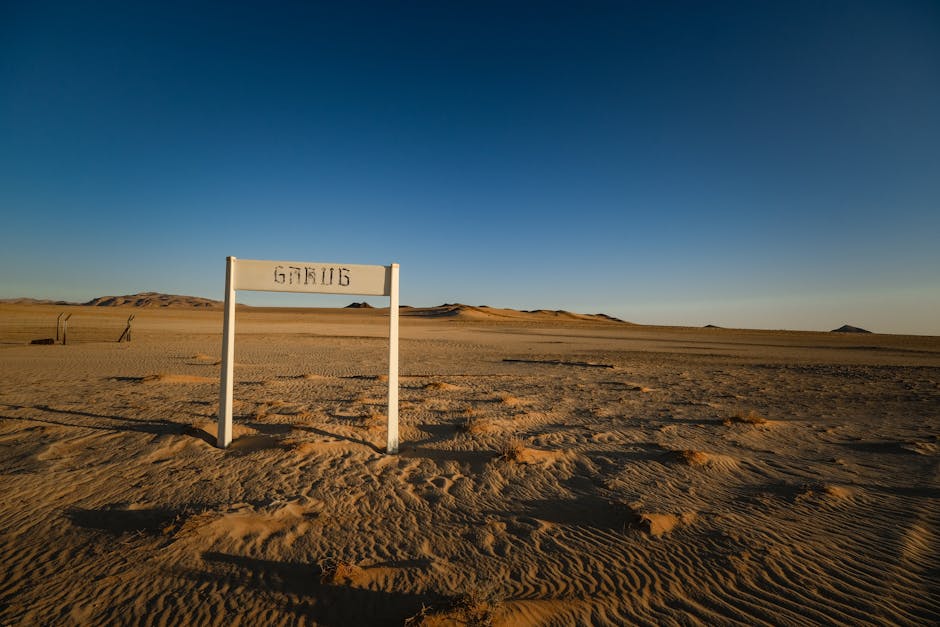
Namibia is one of the safest countries in Africa for solo travelers in terms of crime. Violent crime against tourists is rare. The real dangers are environmental and mechanical.
What kills solo travelers in Namibia
Looking at incident reports from the Namibian Police and rescue services between 2026 and 2026, the causes break down like this:
- Road accidents: 70% of tourist fatalities. Single-vehicle rollovers on gravel are the leading cause. Speed is almost always a factor.
- Dehydration and heatstroke: 15%. Usually hikers who underestimate the desert sun. Sossusvlei in December hits 45°C (113°F) in the shade.
- Getting lost: 10%. GPS works poorly in remote areas. People follow dry riverbeds and can’t find their way back.
- Wildlife encounters: 5%. Elephants and lions in Etosha. Never get out of your car in the park.
How to mitigate each risk:
- Drive at 80 km/h max on gravel. Slow down to 40 km/h on corrugated sections. Check tire pressure every morning — drop to 2.0 bar on gravel, 1.2 bar on sand.
- Carry 6 liters of water per person per day minimum. Drink 1 liter every 2 hours while driving. Set a timer on your phone if you have to.
- Download offline maps on Google Maps and Maps.me. Carry a paper map as backup. The Tracks4Africa map is the most detailed available.
- Never exit your vehicle inside Etosha. At campsites, keep food locked in your car. Baboons will open zippers.
What to Pack That Actually Matters (And What to Leave Behind)
Most packing lists for Namibia are overstuffed. You do not need three pairs of hiking boots or a formal outfit for dinner. Here’s the short version based on what solo travelers actually use.
Critical items most people forget
- A paper road map. Tracks4Africa Namibia map ($25). GPS fails. Phones die. A paper map never does.
- A tire pressure gauge and 12V compressor. You will adjust tire pressure daily. The cheap $15 gauges work fine. The Viair 88P compressor ($70) is the most reliable portable model.
- A headlamp with red light. The Petzl Actik Core ($55) runs on rechargeable batteries and has a red mode that doesn’t attract bugs or ruin your night vision.
- Electrolyte powder. You will sweat more than you realize. Nuun Sport tablets ($8 per tube) dissolve in water and replace sodium and potassium.
- A physical book or downloaded podcasts. Cell service is nonexistent for days. You will have hours of downtime at camp. A Kindle loaded with books or a phone full of offline podcasts saves your sanity.
What to leave at home
- Camping chairs (rental vehicles usually include them)
- More than two pairs of shoes (one hiking boot, one sandal)
- Jeans (too heavy, dry too slowly; wear lightweight hiking pants)
- Drones (most parks ban them, and wind blows them into rocks)
When Solo Travel in Namibia Is a Bad Idea
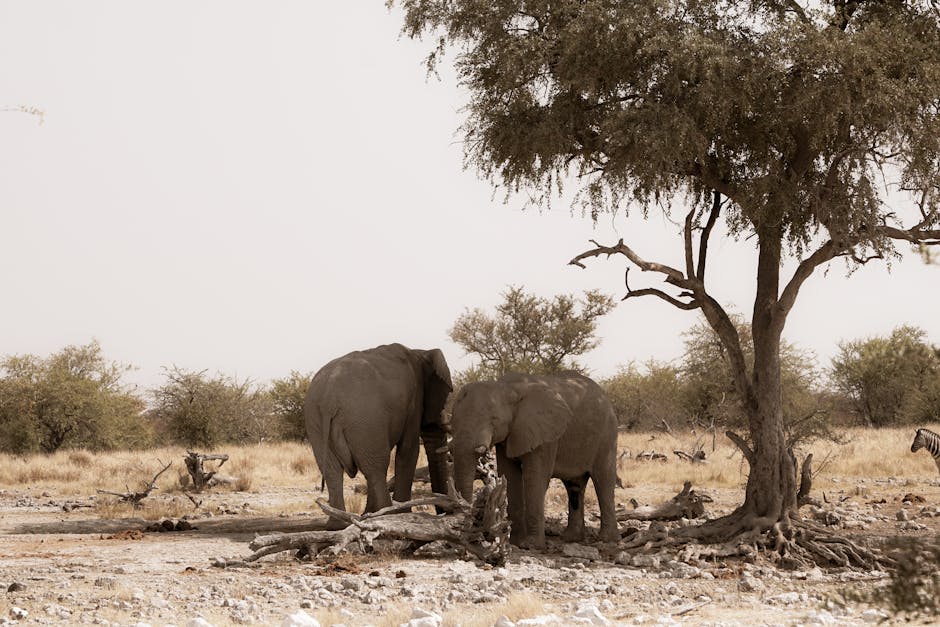
This is the section most travel blogs skip. Namibia is not for everyone, and solo travel makes it harder. Here are three situations where you should reconsider.
1. You have no experience driving on gravel. If you’ve never driven a car on loose, uneven surfaces, Namibia is a dangerous place to learn. The vehicle fishtails at 60 km/h. Braking distances triple. Practice on gravel roads in your home country first, or hire a guide for the first three days.
2. You cannot handle extended solitude. Some people thrive on silence. Others crack after 48 hours. If you need daily conversation, Namibia solo will feel like isolation. Consider joining a small group tour with companies like Wilderness Safaris or Gondwana Collection instead.
3. You are on a tight budget. Solo travel in Namibia is expensive. A 14-day trip with a 4×4 rental, fuel, park fees, and accommodation runs $2,500–$4,000. There is no cheap way to do it. Hostels exist in Windhoek and Swakopmund but nowhere else. If $3,000 sounds painful, choose a different destination.
My final recommendation: If you have driven on gravel before, are comfortable spending 8+ hours alone per day, and have at least $3,000 saved, book the flight. Start with the three-corner loop above. Drive slow. Drink water. Check your tires every morning. Namibia will reward you with silence so deep you can hear your own heartbeat — and that’s the whole point.
