

You booked a “cheap” vacation package to Spain last summer. The flight landed in Madrid at 7 AM. The hotel was 45 minutes from the city center. The “guided tour” was a bus with 50 other people and a microphone that crackled. You spent an extra $400 on taxis and meals the package didn’t cover.
That is not a vacation. That is a logistics problem with sangria.
Vacation packages to Spain come in three real flavors: all-inclusive resorts, flight+hotel bundles, and self-guided itineraries. Each one works for a different type of trip. The trick is knowing which one fits your actual plans — not the one that looks cheapest on a comparison site.
Here is how to sort through the noise and pick a package that saves you time and money without the hidden costs.
Why Most Spain Vacation Packages Cost You More in the End
The core problem with most vacation packages is simple: they bundle things you want with things you don’t. You pay for a rental car you never drive. You prepay for meals at a resort buffet when you planned to eat at local tapas bars. The package price looks great until you calculate what you actually use.
Let me give you a real example. A typical 7-night package to the Costa del Sol from a major UK tour operator lists at £899 per person. That includes flights, transfers, and a 4-star hotel with half-board. Sounds reasonable. But break it down:
| Component | Package Price (per person) | Booked Separately |
|---|---|---|
| Return flight (London to Malaga) | £180 | £120 (Ryanair/Wizz, no bags) |
| Hotel 7 nights, 4-star, half-board | £600 | £420 (Booking.com, room only) |
| Airport transfer | £60 | £25 (shared shuttle) |
| Travel insurance + fees | £59 | £15 (separate policy) |
| Total | £899 | £580 |
You are paying £319 extra for the convenience of one booking. That is a 55% markup. If you actually use the half-board meals, maybe it balances. But if you skip two dinners to eat at a chiringuito on the beach, you just lost money.
The packages that genuinely save money are the ones where the tour operator buys bulk inventory and passes the discount to you. Those exist. But they are rarer than the marketing suggests.
All-Inclusive Resorts in Spain: Who Should Actually Book One

All-inclusive works in exactly one scenario: you plan to stay on the resort property for 80% of your waking hours. If that sounds like your idea of a vacation, then an all-inclusive package to Spain is your best bet. If you want to explore cities, eat at local restaurants, or drive through the countryside, skip this category entirely.
Spain has three major all-inclusive zones worth considering:
Costa del Sol (Málaga to Marbella). The Iberostar Selection Málaga and Meliá Costa del Sol both offer solid all-inclusive packages starting around €180 per night per couple in shoulder season (May or September). You get a beachfront location, three meals, drinks, and basic entertainment. The food is fine. Not memorable, but fine. The real value is that you don’t think about money once you arrive.
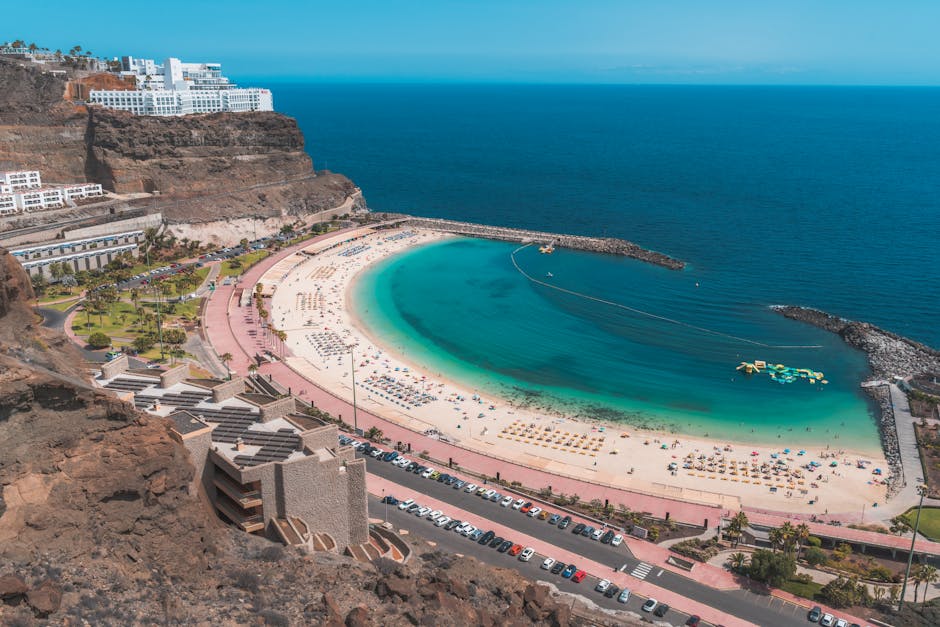
Canary Islands (Tenerife, Gran Canaria). This is where all-inclusive makes the most sense. The weather is reliable year-round, and the resorts are built for it. The Riu Palace Tenerife and H10 Gran Tinerfe both run tight all-inclusive operations. Expect to pay €200-€250 per night for a couple in peak season. The tradeoff: you are on a volcanic island with limited off-resort dining options anyway, so the package actually matches your needs.
Balearic Islands (Mallorca, Ibiza). Mallorca has a mix of resort zones and independent restaurants. The all-inclusive packages here work best for families with young kids who want zero planning. The Iberostar Playa de Muro in Alcúdia is a reliable pick. But for couples or solo travelers, the package structure feels restrictive — you pay for meals you would rather skip to try local seafood.
The failure mode for all-inclusive Spain packages is simple: you pay €100+ per day for food and drink, then eat off-property anyway because the buffet gets boring by day three. If you are the type of traveler who needs variety, book room-only and eat your way through the local spots.
Flight + Hotel Packages: The Smart Way to Use Them
Flight+hotel bundles are the most flexible vacation package option for Spain. The key is understanding how to use them without overpaying.
The major players here are Expedia, Booking.com, and the airline-bundled packages from British Airways Holidays, Jet2holidays, and easyJet holidays. Each works differently.
British Airways Holidays bundles flights with hotels and gives you 2x Avios points plus a free bag. The pricing is transparent — you can see the flight cost and hotel cost separately. The real advantage is ATOL protection (UK financial protection) and the ability to change dates with less penalty. For a 5-night trip to Barcelona, BA Holidays often comes within 5-10% of booking separately. That is a fair price for the protection and convenience.
Jet2holidays is the dominant player for Spain packages from the UK. Their pricing is genuinely competitive because they buy hotel rooms in bulk at resorts along the Costa Blanca, Costa del Sol, and Balearics. A 7-night stay at the Sol Costa Atlantis in Benidorm with flights from Manchester runs about £650 per person in June. Booking the same components separately costs around £700. The package is actually cheaper, plus you get 22kg checked luggage included.
Expedia and Booking.com let you mix and match any flight with any hotel. The discount is usually 10-15% off the hotel if you book the flight through them. The catch: if your flight gets canceled, you deal with the airline, not Expedia. The package is just a billing trick, not a coordinated product. Use these only when you find a specific hotel deal that makes the math work.
My recommendation: for city trips to Barcelona, Madrid, or Seville, use Jet2holidays or BA Holidays. For coastal resort stays, Jet2holidays wins on price. For maximum flexibility, book everything separately and use a price tracker like Kayak to alert you when the flight drops.
Self-Guided Itinerary Packages: The Hidden Gem for Independent Travelers

This is the category most travelers miss. Several Spanish operators sell pre-planned itineraries that include hotels, inter-city trains, and activity vouchers — but no flights and no guide. You pick the dates, they handle the logistics.
Paradores (Spain’s state-run luxury hotel chain) offers “Rutas” packages. You book 3-5 nights at different Paradores properties, and they arrange the routing. A 5-night Andalusia route through Seville, Córdoba, and Granada costs about €900 per person for double occupancy, including breakfast and dinner. The hotels are historic buildings — castles, monasteries, palaces. The food is regional and excellent. You handle your own transport between cities. For a couple who wants culture without the tour bus crowd, this is the best value package in Spain.
SpainRail sells train+hotel packages that combine AVE high-speed rail tickets with hotel nights. A Madrid to Seville to Barcelona 7-night package runs around €1,200 per person in shoulder season. You get first-class train tickets and 4-star hotels like the NH Collection in each city. The trains are punctual, comfortable, and drop you in city centers. No rental car needed. No airport transfers. This package works for travelers who want to see three cities without the headache of booking each leg separately.
Local tour operators like Spain Day Tours and Viator sell activity bundles — skip-the-line tickets to the Alhambra, a flamenco show in Seville, a paella cooking class in Valencia. These are not packages in the traditional sense, but they solve the same problem: you arrive with your itinerary already locked in. The failure mode here is over-scheduling. Three activities per day in Seville in July will leave you exhausted and dehydrated. Pick one morning activity and one evening activity. Leave the afternoon open for siesta or wandering.
The self-guided package works best for travelers who want structure without a group. You get the convenience of pre-booked logistics with the freedom to eat where you want and skip what you don’t care about.
When NOT to Buy a Vacation Package for Spain
This is the most important section. There are clear scenarios where a package costs you more and delivers less.
Scenario 1: You are visiting multiple cities. Packages are designed for single-destination trips. If you want Madrid, Seville, and Barcelona in one trip, a package locks you into one hotel zone. You are better off booking flights separately and using Spain’s high-speed rail network (AVE) between cities. A Madrid-Seville AVE ticket costs about €60 one-way. A Barcelona-Madrid ticket runs €80. Book early for discounts — Renfe releases tickets 60 days ahead.
Scenario 2: You have specific dietary needs. All-inclusive buffets in Spain are heavy on pork, seafood, and wheat. If you are vegetarian, vegan, or gluten-free, the buffet options are limited and often disappointing. You will end up eating off-property anyway. Book room-only and use Google Maps to find restaurants with dietary tags.
Scenario 3: You want to travel during a major event. Semana Santa (Easter week), Feria de Abril in Seville, and San Fermín in Pamplona drive hotel prices through the roof. Tour operators know this and price their packages accordingly. You will pay a 40-60% premium over normal rates. If you are set on attending, book directly with hotels 6-8 months in advance and buy flights separately. The package markup is not worth the convenience.
Scenario 4: You are a solo traveler. Almost every package is priced per person based on double occupancy. Solo travelers pay a “single supplement” of 30-60% of the package price. That supplement often exceeds the actual cost of a single room. For solo Spain travel, book hostels (Hostel One in Barcelona, The Hat in Madrid) or budget hotels directly. Use Rome2Rio for transport planning. You will save 20-40% compared to any package.
How to Compare Spain Vacation Packages Like a Pro
You need a system. Here is mine, and it takes 20 minutes.
Step 1: Define your trip type. Coastal resort (all-inclusive or flight+hotel) vs. city trip (self-guided or book separately) vs. multi-city (always book separately).
Step 2: Set your budget per day. Spain is cheaper than most of Western Europe, but prices vary wildly. Barcelona and Ibiza are expensive — expect €150-€200 per day for a mid-range hotel and meals. Andalusia and the Costa del Sol are cheaper — €100-€130 per day. The Canary Islands sit in the middle. If a package costs more than your per-day budget multiplied by the number of nights, it is overpriced.
Step 3: Check three sources. Start with Jet2holidays or BA Holidays for UK departures. Then check Expedia for the same dates. Finally, price the components separately on Skyscanner (flights) and Booking.com (hotels). If the package is within 10% of the separate price, book the package for the protection. If it is more than 15% over, book separately.
Step 4: Read the fine print on meals. “Half-board” means breakfast and dinner. “Full-board” adds lunch. “All-inclusive” adds drinks. But check what drinks — many packages exclude premium brands, bottled wine, and cocktails. You might pay €5 for a gin and tonic that costs €1.50 at a local bar. If you drink, the package math changes. A €40 daily drinks tab at a local bar is cheaper than a €100 all-inclusive upgrade that includes drinks you don’t want.
Step 5: Check the hotel location on Google Maps. A 4-star hotel in “Barcelona” might be 30 minutes from Las Ramblas by metro. A “Costa del Sol” hotel might be in a strip mall zone with no beach access. Look at the walking distance to restaurants, supermarkets, and public transport. A package that saves €200 but costs €150 in taxi fares is not a deal.
The Bottom Line on Spain Vacation Packages
The package industry is built on one assumption: you value convenience over control. That is a fair trade for some trips. But the marketing hides the real cost — both in money and in missed experiences.
For a one-week beach trip with kids where you want to switch your brain off, an all-inclusive package at the Iberostar or Meliá on the Costa del Sol or Canary Islands is a solid choice. You pay a premium for zero decisions, and that has real value.
For a city trip to Barcelona, Madrid, or Seville, the Jet2holidays or BA Holidays flight+hotel bundle is the safest middle ground — good protection, reasonable pricing, and you can still eat where you want.
For a multi-city Andalusia itinerary or a Paradores route, the self-guided package is the best option. You get the structure without the group.
But for everything else — multi-city trips, solo travel, event weekends, or any trip where you value authentic food and flexibility — book it yourself. The 20 minutes you spend on Skyscanner and Booking.com will save you hundreds of euros and give you a better trip.
The best vacation package is the one that matches your actual behavior, not the one that looks cheapest in a search result. Spain is too good to spend your time fixing a bad booking.
