
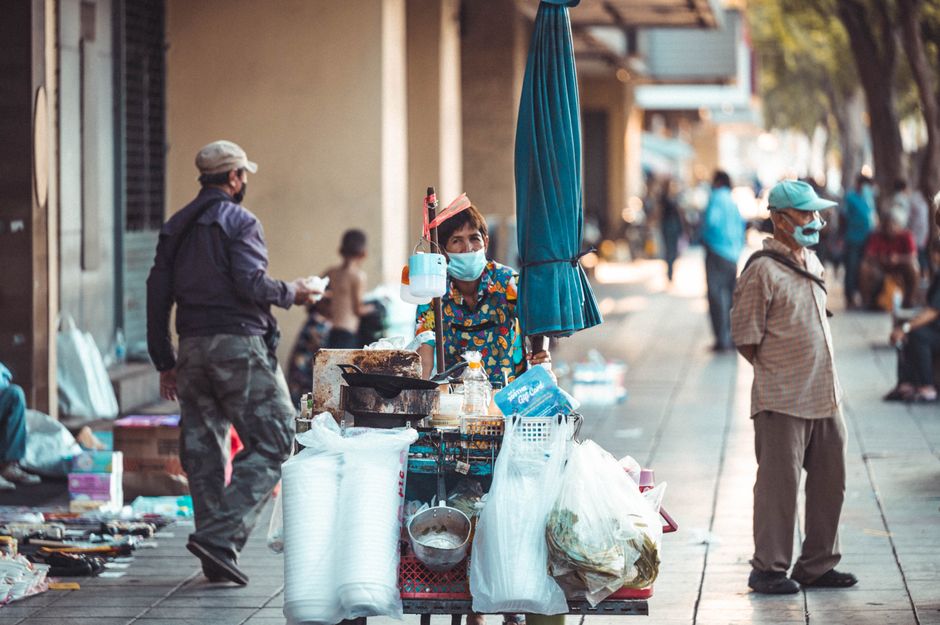
Thailand has over 100,000 street food stalls. The Thai Food and Drug Administration inspects roughly 15% of them per year. That means 85% of stalls operate with no official check. You can still eat safely — you just need to know what to look for.
What Makes a Stall Safe? The 4 Visual Cues
Skip the empty stall. Thai locals know which stalls are good. If there’s a queue of Thai people at 7 PM, that’s your signal. Empty stalls with a bored vendor mean the food sat around.
Look for high turnover. A stall that sells out of ingredients by 9 PM is safer than one with piles of pre-cooked meat sitting in the open. Hot food should be steaming. Cold food should be on ice, not sitting at room temperature.
Check the cooking setup. Gas burners that are actively flaming mean the oil is hot enough to kill bacteria. Electric warmers that just keep food lukewarm (below 60°C) are a risk. Pathogens multiply fastest between 4°C and 60°C.
Vendor hygiene matters. Are they handling money and food with the same hand? Do they have a clean apron? Are raw meats stored below cooked foods? These are basic but often ignored signs.
Red Flags to Walk Away From
- Flies landing on exposed meat or cut fruit
- Sticky or greasy surfaces where food is prepared
- Raw seafood sitting in direct sun without ice
- Vendor using the same tongs for raw and cooked items
Water Safety: The Most Common Mistake Travelers Make
Tap water in Thailand is not drinkable. The bacteria load is too high for most foreign stomachs. Even brushing your teeth with tap water can cause issues. Use bottled water for everything.
Ice is a separate concern. Most street stalls buy ice from commercial suppliers. Those blocks are made from treated water. But the storage and handling at the stall level is inconsistent. Ice that’s been sitting in a dirty cooler or handled with bare hands can pick up contaminants.
Here’s the rule: if the ice is in a sealed bag from a recognizable brand (like 7-Eleven’s own ice or Namthip), it’s safe. If it’s loose chunks in a bucket that looks rusty, skip the iced drink.
Fruit smoothies are a major risk point. Vendors often wash fruit with tap water, then blend it with ice. The fruit skin carries bacteria. Ask if they use bottled water for washing. If they look confused, walk away.
Three Market Types — and Which One Is Safest for Eating
| Market Type | Example | Food Safety Risk | Best For |
|---|---|---|---|
| Wet market (fresh produce, raw meat) | Or Tor Kor, Bangkok | High — raw meat and fish attract flies, cross-contamination is common | Buying ingredients to cook yourself, not ready-to-eat meals |
| Night market (cooked food, stalls) | Rot Fai (Train Market), Bangkok | Medium — high turnover helps, but hygiene varies by stall | Grilled meats, skewers, and stir-fries cooked to order |
| Day market (cooked food, permanent stalls) | Warorot Market, Chiang Mai | Low to medium — regular customers keep quality up | Curries, soups, and dishes that have been simmering for hours |
Night markets are your best bet for cooked food. The stalls are cooking fresh batches continuously. The food doesn’t sit for hours. Wet markets are for people who know how to spot fresh ingredients and plan to cook immediately.
What About Raw and Fermented Foods?
Skip raw dishes on your first week. Larb koi (raw beef salad), pla ra (fermented fish sauce), and som tam with raw crab are local delicacies. They also carry the highest risk of parasites and bacterial infection.
If you want to try them, do it at a restaurant that specializes in that dish, not a random street stall. Restaurants that serve raw dishes daily have established supply chains and refrigeration. A street vendor selling raw larb as a side item probably doesn’t.
Fermented foods like pla ra are an acquired taste. The fermentation process, if done correctly, creates an acidic environment that kills most pathogens. But home-fermented batches vary wildly in quality. Stick to brands sold in bottles at supermarkets if you’re curious.
Common Scams at Thai Markets — and How to Avoid Them
Not all risks are microbial. Some are financial.
The fruit scam is the most common. A vendor quotes you 200 baht for a bag of mangoes. The local price is 40 baht. They count on tourists not knowing. Solution: check prices at a few stalls first. Or use the Rabieng Thai price guide app, which shows average market prices for fresh produce in major cities.
The “taxi to a better market” scam. A tuk-tuk driver tells you the market you wanted is closed and offers to take you to a “better” one. That market is a commission trap. Everything is overpriced. Decline politely and walk away.
The gem scam is still alive in tourist-heavy areas like Khao San Road. Someone approaches you, claims to be a student, and invites you to a “special” jewelry showroom. The gems are fake. The prices are real. Don’t go.
What to Do If You Do Get Sick
Food poisoning hits within 6 to 24 hours. Symptoms: cramping, diarrhea, vomiting, fever. The first step is rehydration. Oral rehydration salts (ORS) are sold at every pharmacy in Thailand for about 10 baht per sachet. Mix with bottled water and sip slowly.
Activated charcoal is available over the counter but controversial. It can bind to toxins, but it also binds to medications and nutrients. Use only under pharmacist guidance.
If symptoms last more than 48 hours, or if you see blood in your stool, see a doctor. Thailand has good private hospitals like Bumrungrad in Bangkok and Bangkok Hospital in major cities. A consultation costs around 1,000 to 2,000 baht. Travel insurance covers this.
Pack a basic travel health kit: ORS sachets, anti-diarrheal medication (loperamide), and a thermometer. Loperamide stops diarrhea but does not treat the infection. Use it only when you need to travel, not as a cure.
The One Rule That Overrides Everything
Eat where the locals eat. Not the tourists. A stall with 15 Thai people waiting in line is almost certainly safe. A stall with a laminated English menu and a picture of pad thai is a gamble. That single rule filters out 90% of the risk.
