
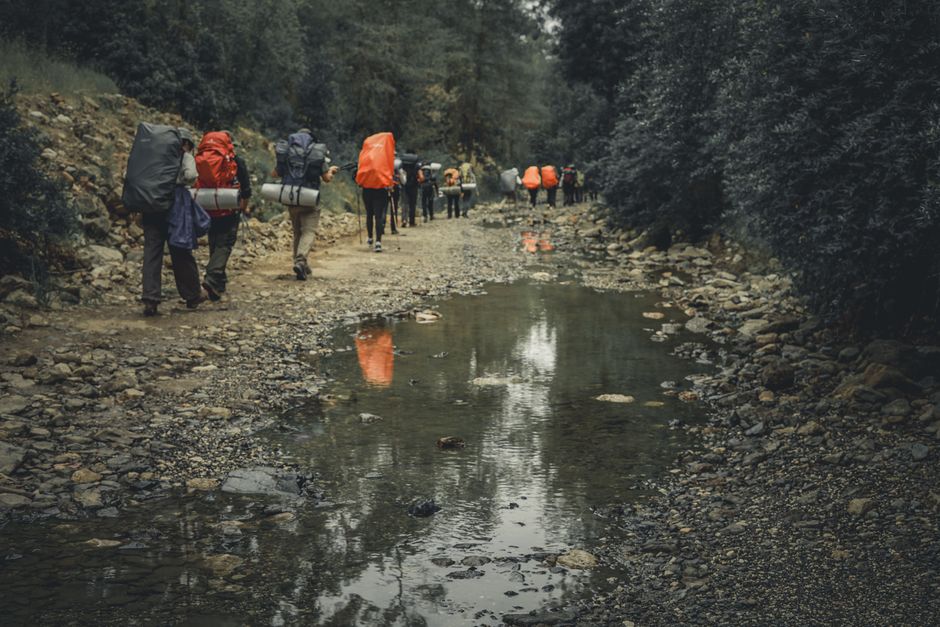
G Adventures is the best starting point for most first-time international trekkers because its trips combine local guides, small groups, permits, and clear difficulty ratings. Intrepid Travel is stronger for travelers who want a broad route catalog and flexible trip styles. World Expeditions is the better pick for remote, expedition-style trekking where logistics and support matter more than the lowest price.
A guided backpacking company does more than lead a hike. It handles permits, transport, food plans, camps or lodges, emergency procedures, and the timing needed to finish a route safely. The right operator should match your fitness, comfort level, group preference, and tolerance for carrying equipment.
Which guided backpacking company fits your trip?
Best for first-time international trekkers
Choose G Adventures when you want a well-known small-group format with a local guide and a relatively simple booking process. Its 15-day Everest Base Camp Trek listed 2026 departures from about $1,312 during a sale, with regular pricing shown around $1,749. The trip includes trekking permits, porters, internal flights, local accommodation, and a chief experience officer, but meals and international flights remain separate costs.
Best for route variety and flexible trip styles
Intrepid Travel offers a wider mix of basic, original, comfort, and premium walking trips. Its 2026 listings included the 15-day Inca Trail Express from about $1,067, the 9-day Hiking Utah’s National Parks trip from about $3,167, and the 8-day Hiking in the Canadian Rockies trip from about $2,426. These figures are starting prices, not guaranteed totals.
| Company | Good match | Example 2026 price | Main tradeoff |
|---|---|---|---|
| G Adventures | First international trek | Everest Base Camp, 15 days, from about $1,312 | Meals may be separate |
| Intrepid Travel | Large route selection | Utah parks, 9 days, from about $3,167 | Trip standards vary by itinerary |
| World Expeditions | Remote expedition trekking | Mongolian Tavan Bogd, 11 days, from about $2,490 | More rugged travel conditions |
| World Expeditions | Higher-comfort wilderness trek | Torres del Paine W-Trek, 7 days, from about $4,440 | Premium lodging raises the cost |
What makes a guided backpacking company worth paying for?

The real value is logistics
The best operator removes the tasks that can ruin a trip: securing limited permits, moving bags between camps, arranging transfers, and knowing where to go when weather closes a trail. That service matters most on routes such as the Inca Trail, Everest Base Camp, and Torres del Paine, where permits, local transport, or accommodation can sell out months ahead.
The guide must add more than directions
A qualified guide should manage pace, watch for altitude problems, explain local rules, and change the plan when conditions become unsafe. A cheap trip with weak support can cost more after missed transfers, emergency transport, or extra hotel nights. My verdict is simple: pay for a company with clear guide qualifications and a written emergency plan when the route crosses remote or high-altitude terrain.
Do not judge an operator by glossy photos alone. Read the inclusion list line by line. A $1,500 trek may exclude meals, park fees, domestic flights, gear rental, tips, and airport transfers. A $3,500 trek may include more staff, better lodging, and nearly every ground expense. The price gap only makes sense after you compare the full trip budget.
How to compare backpacking tours before booking
A guided tour should make a difficult route manageable, not hide the difficult parts. Use this process before paying a deposit.
Step 1: Match the physical rating to your weekly training
- Check the longest daily distance, not only the trip rating. A route with 10 miles per day requires different preparation from one with 4 miles and steep elevation.
- Review the highest camp and total elevation gain. High altitude can make a moderate distance feel much harder.
- Ask if you carry a full pack, a daypack, or only personal items while porters move the main luggage.
- Train with the same pack weight for at least four weeks before departure. Start with two short walks and one longer hike each week.
Step 2: Price the trip as a complete journey
- Add international flights, travel insurance, visas, tips, meals, airport transfers, and one emergency hotel night.
- Check the deposit, final-payment date, cancellation rules, and refund terms before entering card details.
- Confirm the currency. A price shown in U.S. dollars may still exclude local fees charged in another currency.
- Compare the number of paid trekking days. A seven-day trip with five hiking days is not equal to a seven-day trip with seven hiking days.
This checklist catches the most common booking mistake: comparing headline prices instead of the cost of the actual experience. For a first guided trek, choose the company whose inclusion list is easiest to understand, even if it is not the cheapest option.
My pick: G Adventures for most first-time trekkers
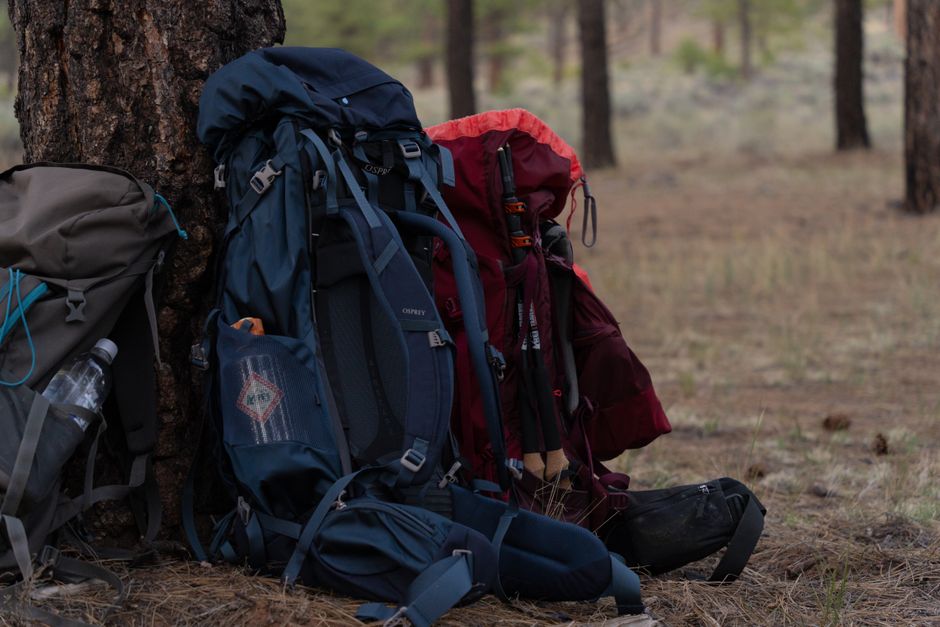
G Adventures is my clear overall pick for a first guided backpacking trip outside your home country. The company gives travelers a useful middle ground: local leadership, small groups, established routes, and lower starting prices than many premium expedition operators. Its Everest Base Camp itinerary, for example, uses guesthouses and teahouse lodges instead of luxury hotels, includes porters and permits, and publishes a physical grade of 5, marked challenging.
Why it beats a premium operator for beginners
Most beginners do not need a private expedition team. They need a guide who knows the route, a group that moves at a planned pace, and support when transport or weather causes a change. G Adventures supplies that structure without turning every trip into a luxury purchase. The compromise is comfort: meals may be separate, rooms can be basic, and group departures do not provide a custom schedule.
When Intrepid is the better choice
Pick Intrepid when the destination or trip format matters more than using one familiar operator. Intrepid offers active tours across the United States, Nepal, Peru, Morocco, Australia, and Europe, with options ranging from basic camping to premium walking holidays. Its 2026 listings included a 7-day Mount Toubkal Trek from about $649 on selected dates and a 15-day Everest Base Camp Trek from about $1,695. The lower price does not mean every cost is included, so check each itinerary separately.
One outdated assumption can cause a bad booking: REI Adventures is no longer operating as its former adventure-travel business. Current REI Recommended and REI Exclusive trips are connected to Intrepid-operated itineraries, so travelers should read the operator name and cancellation terms rather than assuming they are booking a traditional REI-guided trip.
When should you avoid a guided backpacking company?
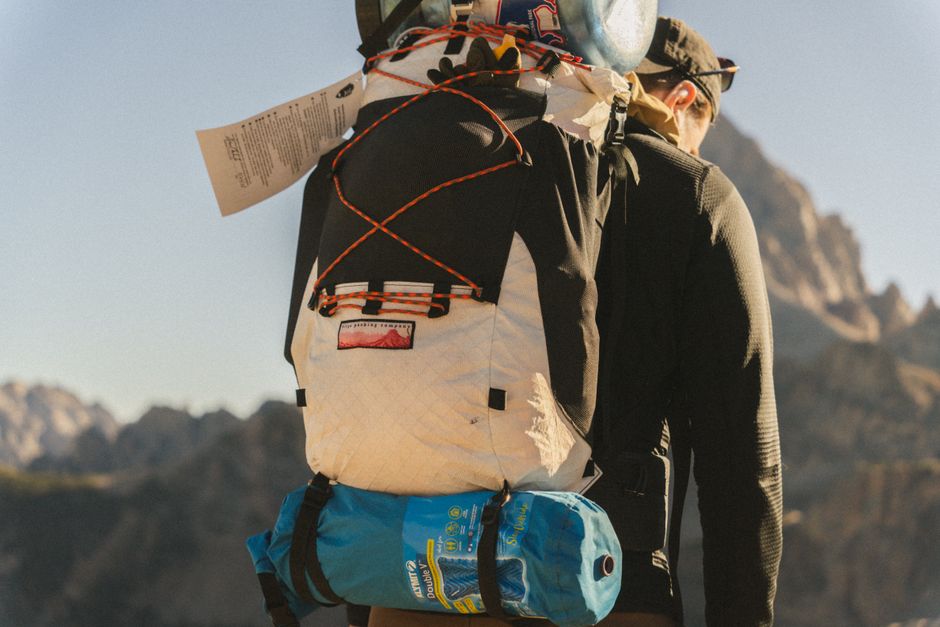
Is a guided trek wrong for experienced hikers?
Yes, sometimes. Skip a group tour when you already know the route, can obtain permits yourself, have reliable navigation skills, and prefer changing your itinerary each day. A guided company charges for planning and group support. Those services have little value if you want solitude or already handle wilderness logistics confidently.
What should make you reject a company?
Reject an operator that hides the daily schedule, uses vague difficulty labels, refuses to explain emergency evacuation, or cannot tell you what happens when a guide becomes ill. Also reject any itinerary that promises a demanding high-altitude trek with almost no acclimatization. A bargain is not useful if the schedule leaves no safe response to altitude sickness, storms, or a missed flight.
Should you choose a private guide instead?
Choose a private guide for a family, mixed-ability group, or route that needs a custom pace. It costs more, but the extra control can prevent one slow or fast traveler from making the entire group miserable. For solo travelers on a first major trek, a small-group departure is usually the better value because it combines social support with professional route management.
For most readers, book G Adventures for a first international trek, Intrepid for the widest choice of hiking routes, and World Expeditions for a remote or premium expedition. Select the trip only after checking daily mileage, altitude, pack weight, included costs, and the operator’s emergency plan. That decision process matters more than choosing the company with the most impressive summit photo.
