
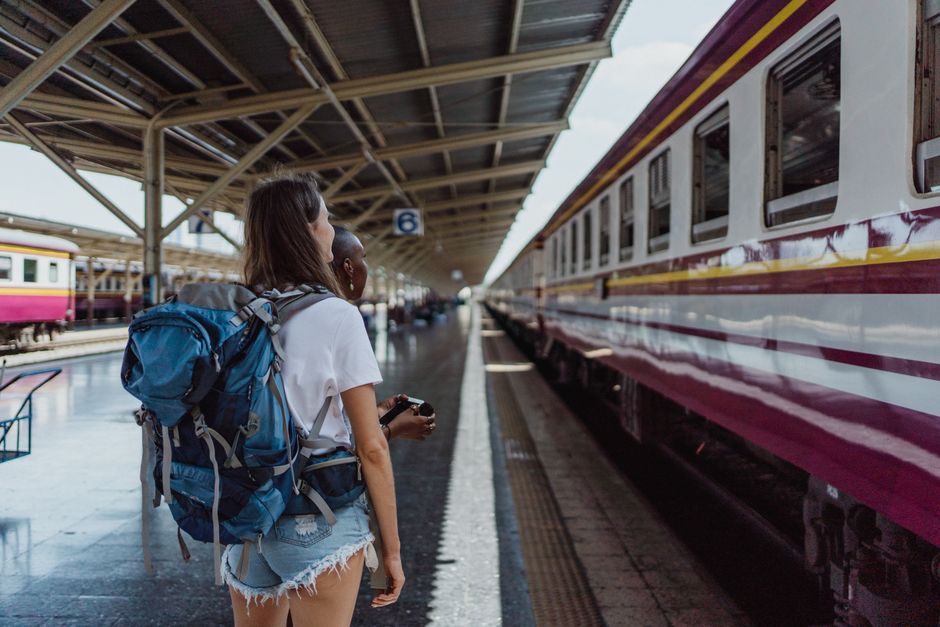
You’ve seen the 2019 blogs: $20 a day in Thailand, $5 dorm beds in Vietnam. But you’re booking for 2026 and your gut says something shifted. Flights cost more. Hostels feel pricier. Is the whole “budget backpacker” thing dead, or just different?
I spent three weeks in October 2026 tracking real prices across Thailand, Vietnam, and Cambodia to answer one question: can you still travel Southeast Asia on $30 a day in 2026? Short answer: yes, but the math changed. Here’s exactly how.
Where the $20/Day Dream Died (and Where It’s Still Alive)
Let’s be direct. Thailand is no longer a $20-a-day destination unless you’re camping on a beach. Khao San Road dorms that cost 150 baht ($4.20) in 2019 now run 350–500 baht ($10–$14). A pad thai from a street cart in Bangkok costs 60–80 baht ($1.70–$2.30). Still cheap by Western standards, but double what it was.
Vietnam is the new sweet spot. A dorm in Hanoi’s Old Quarter costs $5–$7. A bowl of pho with beef runs 40,000–50,000 dong ($1.60–$2.00). A 6-hour bus from Hanoi to Sapa? $8. You can comfortably live on $25–$30 a day including accommodation, three meals, a beer, and a local bus.
Laos and Cambodia sit in the middle. Cambodia’s dorms average $6–$8. A plate of lok lak at a local joint is $2.50. But tourist activities add up fast — Angkor Wat’s one-day pass costs $37. That’s a full day’s budget gone on a single ticket.
Indonesia (Bali especially) has inflated hard. A decent hostel in Canggu costs $12–$18. A smoothie bowl runs $5. You’ll spend $35–$40 a day without trying. Skip Bali if you’re on a strict $30 budget. Head to Sumatra or Lombok instead.
| Country | Daily Budget (Dorm + Street Food + Transport) | Realistic Minimum (2026) |
|---|---|---|
| Thailand | $30–$40 | $28 (sticking to street food, local buses, no islands) |
| Vietnam | $22–$30 | $22 (northern Vietnam, hostels, no tours) |
| Cambodia | $25–$35 | $25 (Angkor pass kills the budget) |
| Laos | $22–$30 | $22 (slow boat, local guesthouses) |
| Indonesia (Bali) | $35–$50 | $35 (Canggu or Ubud — hard to go lower) |
The Two Biggest Budget Killers in 2026 (and How to Beat Them)
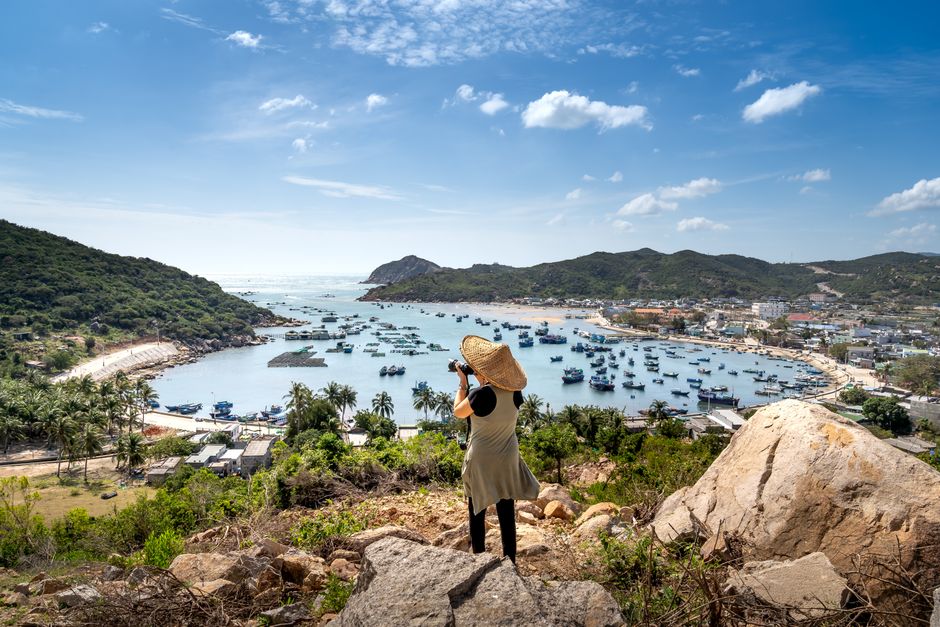
Flights: The Real Cost That Sneaks Up
Round-trip flights from the US to Bangkok in 2019 averaged $600–$800. In 2026, expect $900–$1,200. That’s your biggest single expense. Book 8–10 weeks out and use incognito mode. Airlines track your cookies and raise prices on repeat visits. AirAsia and Scoot still offer cheap regional hops — Bangkok to Chiang Mai for $25, Ho Chi Minh to Phnom Penh for $30.
Hidden Fees on Every Transaction
This is the silent budget killer nobody talks about. Every time you swipe a foreign card at an ATM, your bank hits you with a $3–$5 fee plus a 1–3% currency conversion charge. If you withdraw cash 15 times in a month, that’s $60–$75 in pure waste. That’s three nights of accommodation.
Use a multi-currency travel card like the Wise card or Revolut. Wise charges 0.43% conversion fee with zero ATM fees up to $200/month. Revolut’s free plan gives you $400/month fee-free. I switched to Wise before my trip and saved about $40 in fees over three weeks. That’s a full day in Vietnam.
Also: never let the ATM or merchant do the conversion (DCC scam). Always choose “charge in local currency.” The merchant rate is 4–7% worse.
What’s Actually Better Now? (Three Things That Improved)
Not everything got worse. Here’s what’s genuinely better for budget backpackers in 2026.
1. Hostel quality skyrocketed. The $8 dorm in 2019 was a concrete box with a fan. In 2026, the $10 dorm has AC, a privacy curtain, a personal reading light, and a USB charger. Hostelworld and Agoda listings are accurate. Read recent reviews — anything under 8.5 rating is a gamble.
2. SIM cards and data are dirt cheap. A 30-day SIM with 30GB data in Thailand costs 200 baht ($5.70). In Vietnam, 200,000 dong ($8) gets you unlimited data for a month. No more hunting for WiFi. Just buy a local SIM at the airport kiosk — don’t bother with international roaming plans.
3. Food delivery apps work everywhere. Grab and Gojek operate in every major city. You can get a $2.50 bowl of noodles delivered to your hostel. It’s not the “authentic” experience, but when you’re tired and hungry at 10 PM, it’s a lifesaver.
One Month, $900 — My Exact Cost Breakdown
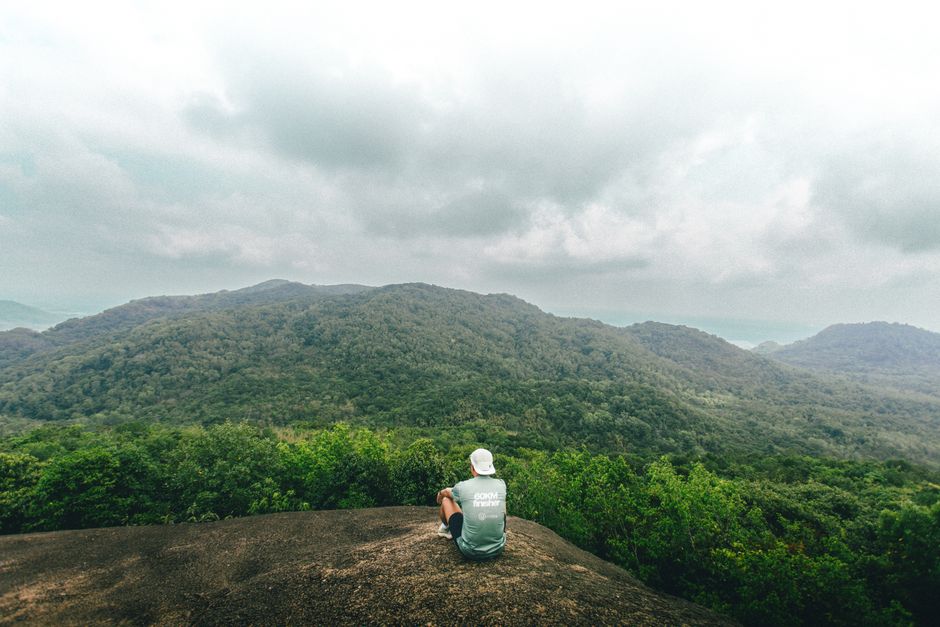
Here’s what I actually spent during a 28-day trip through Vietnam and Cambodia in October 2026. I wasn’t roughing it — I ate well, drank beer most nights, and did a few paid activities.
| Category | Cost | Notes |
|---|---|---|
| Accommodation (28 nights) | $210 | Average $7.50/night — mostly dorms, two private rooms |
| Food & drink | $280 | $10/day — street food, one sit-down meal per week |
| Transport (buses, trains, taxis) | $150 | Three long-distance buses, local transport, one flight |
| Activities & entry fees | $120 | Angkor Wat pass ($37), Cu Chi tunnels ($15), museum entries |
| Misc (laundry, toiletries, tips) | $40 | Laundry $1–$2 per load, tips for guides |
| ATM fees & currency loss | $12 | Used Wise card — saved ~$40 vs. normal bank card |
| Total | $812 | Under $30/day. Did not feel deprived. |
Add a round-trip flight from the US ($1,050) and the total trip cost was $1,862 for four weeks. That’s cheaper than a month’s rent in most US cities.
The Verdict: Worth It, But Only If You Adjust Your Expectations
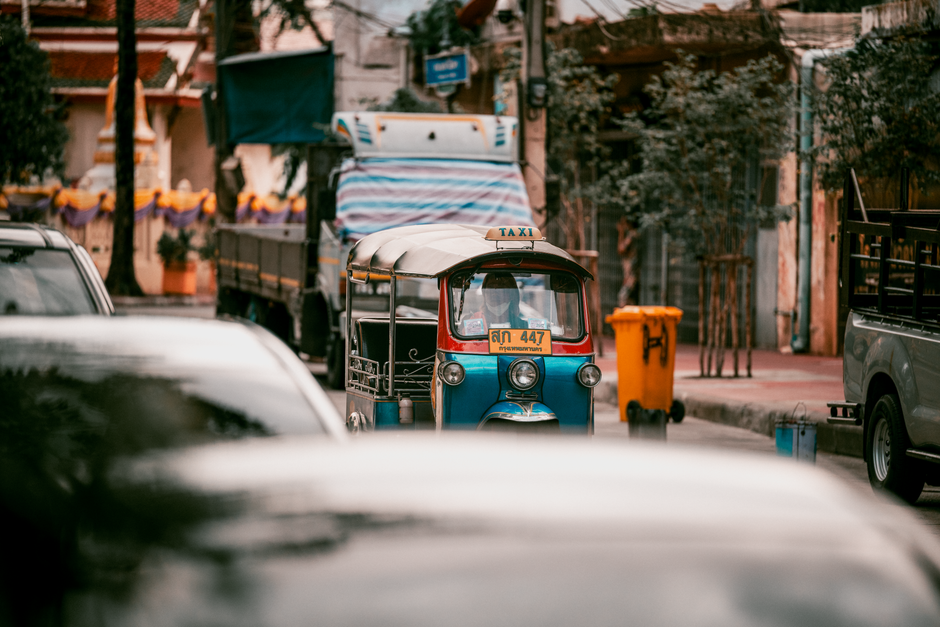
Here’s my honest take. Budget backpacking in Southeast Asia is still absolutely worth it in 2026 — if you stop chasing the 2019 fantasy. You won’t live on $15 a day in Thailand. You won’t find $3 dorm beds in Bali. But Vietnam, Laos, and Cambodia still deliver real value. You can eat amazing food, meet incredible people, and see landscapes that change how you think about the world — all for under $30 a day.
The mistake people make is expecting the same prices as five years ago and feeling cheated. The smarter move: shift your route, use a travel card to kill ATM fees, and book hostels with recent reviews. Do that, and you’ll spend less than a domestic vacation back home — and get ten times the experience.
That traveler staring at $1,200 flights and wondering if the dream died? The dream didn’t die. It just moved to a different street. And the food there is even better.
