
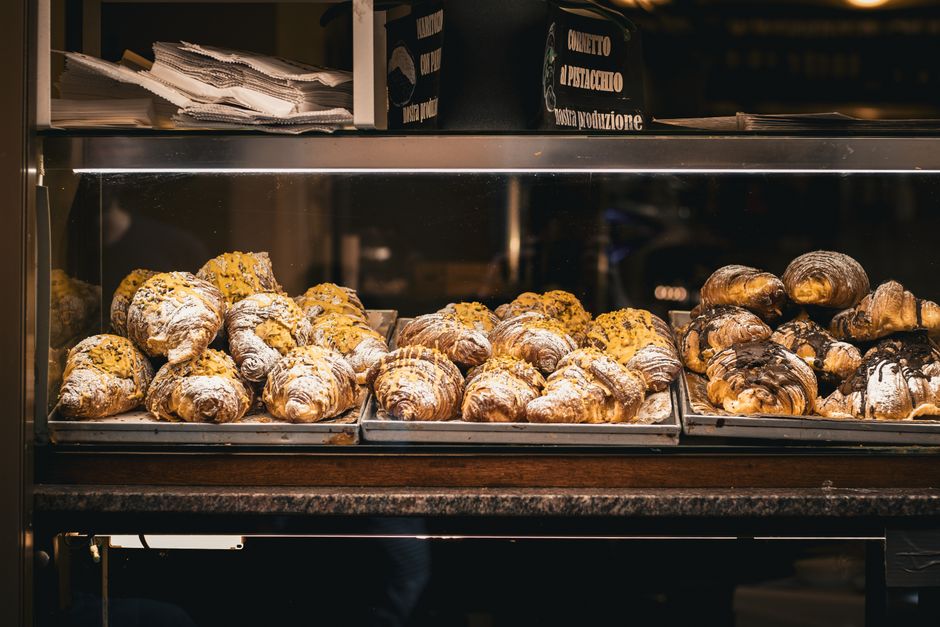
The common misconception is that a Rome food tour is just an expensive way to eat food you could order yourself. After years of booking city walks and comparing restaurant bills with tour prices, I think that view misses the real purchase.
My short answer: book one early
My price rule
For a first Rome visit, a food tour is worth the price when it costs about €80 to €115 and includes enough food for dinner, several independent stops, and a guide who explains the neighborhood rather than reciting a menu. A well-run three- to four-hour tour can replace one restaurant meal, introduce dishes you might skip alone, and give you a list of places to revisit for the rest of your trip, so the cost is not only the food on the plate.
Who should skip it
Skip the tour if you already know Rome’s food scene, have fewer than two full days, or dislike fixed schedules and group conversation. It is also poor value for travelers who want one long meal at a single trattoria. My clear verdict is simple: first-time visitors should book a small-group tour on night one or two, while repeat visitors should spend the money on a carefully chosen neighborhood restaurant instead.
Authenticity comes from access, not secrecy
What an authentic Rome meal really means
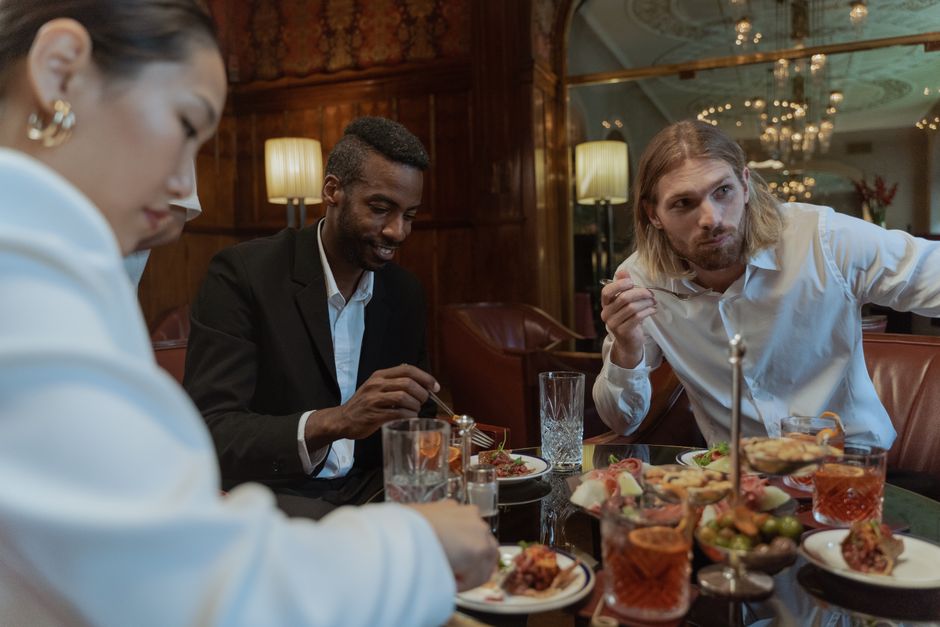
Authentic does not mean a restaurant has no tourists. Rome’s classic dishes have always changed with migration, trade, seasonal supply, and family preference. Carbonara, cacio e pepe, amatriciana, gricia, supplì, fried artichokes, and porchetta can all be genuine Roman choices even when visitors order them. The useful question is not whether a dish looks rustic; it is who makes it, how often locals eat it, and whether someone can explain its place in the city’s food culture.
A guide earns trust by naming the producer, cook, market seller, or family behind a stop. A vague promise of hidden gems tells me very little. A guide who explains why Testaccio became linked to working-class cooking, why Jewish-Roman artichokes are prepared differently, or why a Roman bar serves an aperitivo before dinner gives the tasting a local frame.
Where tours add real value
The strongest benefit is guided selection. You can spend €12 on an average plate near a major monument, or you can taste five smaller portions across a neighborhood and learn which places deserve a second visit. The guide also handles ordering, translation, timing, and queue decisions. That matters after a long day when searching restaurant reviews feels like another task.
The tradeoff is control. You may not love every stop, and the group decides the pace. I value the experience most when the route includes family-run businesses, a market or specialist shop, and enough unscheduled walking to understand the streets between bites.
Rome food tour prices compared for 2026
Current price snapshot
These are starting prices shown on official listings when checked for 2026 planning. Prices can change by date, demand, currency, and group size, so treat them as a useful benchmark rather than a guaranteed checkout total.
| Tour | Starting price | Duration and size | My verdict |
|---|---|---|---|
| Eating Europe Twilight Trastevere | €94 per adult | 4 hours, six or seven stops, maximum 12 | Best first-night value |
| Eating Europe Taste of Testaccio | €104 per adult | 3.5 hours, seven stops, maximum 12 | Best for food-focused travelers |
| Eating Europe Eternal Rome | €109 per adult | 4 hours, six stops, maximum 12 | Best food-history mix |
| Devour Trastevere at Sunset | From $112 | 3.5 hours, five venues, maximum 12 | Best evening atmosphere |
| Walks of Italy pasta-making class | About €79 | 3.5 hours, maximum 14 | Best hands-on alternative |
How I read the table
Eating Europe’s Rome listings offer the clearest spread of neighborhood routes, while Devour’s Trastevere at Sunset makes sense for travelers who want dinner, wine, and a lively evening walk in one booking. The Walks of Italy option listed through its Rome food-tour collection is cheaper than the full tasting routes, but a cooking class gives you a skill rather than the same range of restaurant stops. My winner for most people is the €94 Trastevere route because the duration, meal coverage, and group limit balance well.
Five mistakes that make a Rome food tour poor value

The five checks
- Booking the last night. You lose the chance to return to a favorite market, bar, or trattoria. The first or second evening gives the advice time to pay off.
- Counting samples instead of meals. Ten tiny tastes are not a bargain if you still need dinner afterward. Look for pasta, a substantial savory dish, dessert, and drinks in the inclusions.
- Ignoring the walking route. Cobblestones, stairs, heat, and a three-hour standing schedule can ruin an otherwise good menu. Check the meeting point and total walking time before paying.
- Hiding dietary restrictions. Tell the operator before booking. Severe allergies, vegan diets, and celiac disease may not fit a shared route because kitchens and suppliers cannot always prevent cross-contact.
- Choosing a famous area without checking the stops. Trastevere and the historic center can be crowded and tourist-heavy. The guide’s relationships with vendors matter more than the neighborhood name.
The pass-or-skip rule
Ask one direct question before booking: “What will I eat that I would struggle to find or order alone?” A strong answer names the businesses, dishes, number of drinks, and the amount of food. A weak answer only promises secret locations or an unforgettable experience. I would skip any listing that hides the neighborhood, duration, group size, or dietary policy.
Choose the route before you choose the operator
Trastevere, Testaccio, or the historic center?
Choose Testaccio if food is the main reason you are booking. It has a stronger working-market identity and suits travelers who want Roman staples, specialist stalls, and context about everyday cooking. Eating Europe’s Taste of Testaccio costs €104 from its current listing and runs for about three and a half hours, making it my pick for serious eaters.
Choose Trastevere for a more social first evening. Eating Europe Twilight Trastevere starts at €94, lasts four hours, and includes six or seven stops in a group of up to 12. Devour’s Trastevere at Sunset starts around $112 and includes a dinner-style route with wine and aperitivo. I prefer Eating Europe for value and Devour for a polished evening mood.
When a cooking class is better
Do not buy a tasting tour if your best travel memory comes from making something with your hands. The Walks of Italy pasta-making class, listed at about €79, is the better choice for couples, families, and travelers who want a repeatable skill. Devour’s Rome pizza class starts around $94 and includes pizza, tiramisù, and wine or beer, but it has a larger maximum group of 15.
My firm recommendation: book a neighborhood tasting for a first visit, then choose a class on a later trip. Combining both on a short stay usually wastes money because each experience covers several hours and includes more food than most people expect.
Rome food tour questions travelers still ask
Is €100 too much for a food tour in Rome?
No, if the tour replaces dinner and includes at least five meaningful tastings, drinks, a local guide, and a small group. A €100 ticket becomes poor value when it covers only snacks, has 20 or more guests, or leaves out drinks and service charges. Compare the inclusions, not the headline price.
Are Rome food tours suitable for vegetarians?
Many can handle vegetarian diets with advance notice, but menus built around cured meats, fried fish, or Roman offal may offer limited substitutions. Ask for the exact planned dishes before paying. Vegans and travelers with serious allergies need extra care because shared kitchens may not guarantee separate preparation.
What should you eat before the tour?
Eat a light breakfast or lunch, drink water, and leave room for a full meal. Wear shoes with a firm sole, arrive 10 minutes early, and carry a small bottle of water. A food tour is partly a walking tour, so comfort affects the value more than a new outfit or expensive accessory.
Rome’s food-tour market will keep moving toward smaller groups, neighborhood specialists, and cooking experiences. In 2026, the best purchase is still the same: pay for access, useful local judgment, and a route you can continue exploring after the tour ends.
