

Can you really travel Europe for less than $50 a day? Yes, but only if you control the three costs that ruin most trips: beds, transport, and restaurant meals. The winning plan is simple: choose affordable cities, move slowly, and treat €45 as a hard daily ceiling.
Is $50 a day realistic in Europe?
Set the ceiling in euros
Start with a local-currency budget instead of trusting a live dollar conversion. In 2026, plan around €45 per day and leave a small cushion for exchange-rate changes. That amount can cover a dorm bed, supermarket food, local buses, one low-cost activity, and a little room for coffee or a beer. It will not cover a private hotel room in Paris, a last-minute train from Rome to Amsterdam, and three restaurant meals. Those are different travel plans.
The key is averaging across the trip. One expensive museum day can sit beside a free walking day. A €28 hostel in a famous capital can be balanced by a €14 bed in a smaller city. Track the full trip, not every single hour.
Know what the budget excludes
Your $50 target works best when international flights, travel insurance, and major entrance fees sit outside the daily figure. If you need to include flights, divide their cost across the whole trip. A $240 flight spread over 12 days adds $20 per day before you buy food. That changes the answer fast.
Verdict: the budget is realistic for slow, hostel-based travel through Central, Eastern, and parts of Southern Europe. It is not realistic for a fast tour of the continent’s most expensive capitals.
What should a $50 Europe travel budget include?
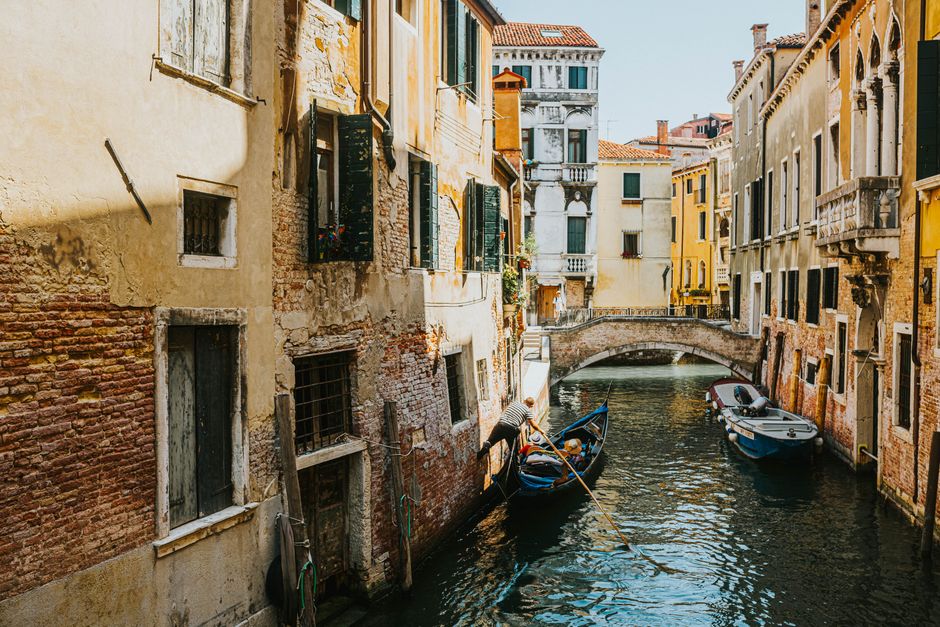
Use this split as your starting point. It is deliberately boring, which is why it works. The figures describe a normal low-cost day, not a fantasy day where you walk 30 miles and eat crackers for dinner.
A workable daily budget
| Expense | Target | What it covers |
|---|---|---|
| Hostel bed | €18 | Dorm room, usually outside the city center |
| Breakfast | €4 | Yogurt, fruit, bread, or supermarket pastries |
| Lunch | €6 | Bakery meal, kebab, market food, or packed lunch |
| Dinner | €9 | Cooked hostel meal or inexpensive local restaurant |
| Local transport | €4 | Bus, tram, or metro day trips |
| Activity | €3 | Free attraction average plus occasional paid entry |
| Buffer | €1 | Fees, water, or a small price mistake |
| Total | €45 | Roughly $50, depending on exchange rates |
The strongest move is protecting the bed and transport lines first. A €7 increase in lodging is harder to recover than skipping one €3 snack. Book the first two nights early, then compare prices before changing cities. Keep cash for small vendors, but use a card with low foreign-exchange fees for larger purchases.
Verdict: reserve €18 for sleep, €19 for food, and €8 for everything else. If lodging costs more, change cities before cutting meals.
Which transport options keep Europe cheap?
Transport is where a good budget usually collapses. The mistake is counting only the ticket price. Add airport transfers, station fees, baggage charges, and the value of half a day lost in transit. Slow routes win when the savings are real.
Choose buses for short and medium routes
FlixBus is usually the first price check for routes between nearby European cities. Early fares can land around €6 to €25, while late bookings may cost much more. BlaBlaCar can beat the bus on routes with regular drivers, often offering shared rides around €10 to €35. The tradeoff is flexibility: a driver can change pickup details, and a bus gives you a clearer timetable.
Book midweek departures, compare two nearby stations, and avoid a connection that arrives after midnight. A cheap ticket that forces a taxi to a distant hostel is not cheap.
Use flights only when the total cost wins
Ryanair Basic can make sense for long distances, but its standard personal-bag limit is 40 x 20 x 25 cm. Add a cabin bag, seat selection, airport transfer, and food before comparing it with a train. For a route under six hours, a central bus or train often wins once the extra costs are counted.
Travel with one compact bag, book the first departure of the day, and keep one flexible day after a long transfer. Verdict: use buses and shared rides for regional travel; use a budget flight only when it saves at least €30 after every fee.
Which European cities make the budget possible?
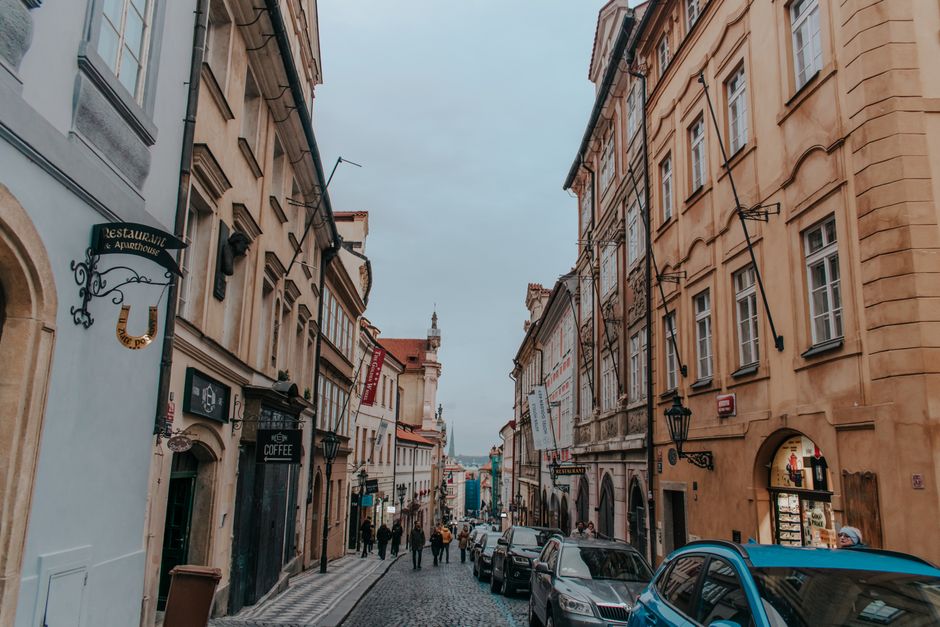
The best route is not the list of most famous cities. It is a chain of places where beds, food, and local transport stay cheap. Choose three or four bases instead of trying to collect ten passport stamps.
Build the route around lower-cost bases
- Sofia: inexpensive food, low-cost public transport, and easy access to day hikes.
- Skopje: affordable guesthouses, compact sightseeing, and cheap meals near the old bazaar.
- Sarajevo: strong value for food, walkable historic areas, and useful local buses.
- Budapest: more expensive than the Balkans, but manageable with dorms and supermarket breakfasts.
- Kraków: excellent for a short base, with free walking routes and affordable milk bars.
- Porto: a better value than many Western European capitals if you avoid peak summer weekends.
- Valencia: beaches, parks, and markets make low-cost days easier than in Barcelona.
Spend four nights in a city when possible. The first day covers arrival, the middle days spread the lodging cost, and the final day avoids another expensive transfer. Skip a city when its hostel prices are more than €30 or when the route requires a costly flight.
Verdict: start with Sofia, Sarajevo, Budapest, or Kraków if the budget matters more than famous landmarks. Add Paris, Amsterdam, or Venice as short splurges, not as the backbone of the trip.
How do you eat well without breaking the budget?
Food does not need to be miserable. It needs a system. Buy breakfast and one meal from a supermarket or bakery, then spend the saved money on one proper local dish.
What should you eat for breakfast?
Buy oats, bananas, yogurt, bread, and coffee on arrival. A €4 breakfast from a shop can carry you through a morning of sightseeing. Hostel kitchens make this easier, but inspect the kitchen before assuming it is usable. A missing pan or broken refrigerator changes the plan.
When should you eat at restaurants?
Eat the main restaurant meal at lunch, when set menus often cost less than dinner. Look for places filled with local workers, not menus translated into six languages outside a tourist square. Set a hard limit of €10 to €12, including water, and walk away when the menu has aggressive service charges.
How can you avoid food fatigue?
Rotate cheap staples: bakery sandwiches, market fruit, soup, eggs, rice, and local takeaway. Keep one emergency meal in your bag so hunger does not turn into a €20 airport purchase. Carry a refillable bottle where tap water is safe.
Verdict: spend on one memorable meal every few days, not on random snacks all day. That gives you better food and a budget that survives the trip.
What gear actually helps on a low-cost trip?

The Osprey Farpoint 40 is the best choice for most budget travelers who want one-bag simplicity. Its 40-liter capacity, suitcase-style opening, and roughly 55 x 35 x 23 cm dimensions fit the shape many airlines expect for a compact carry-on. It usually sells near $185, so it is not a cheap purchase. The point is avoiding checked-bag fees and keeping every transfer simple.
Pick one bag and protect the airline limit
If $185 is too much, the Quechua NH Escape 500 23L is a smaller, cheaper alternative for short trips, but it forces stricter packing. Do not buy a large backpack just because the empty space feels useful. Extra volume becomes extra weight, and some budget airlines measure the bag before boarding. Pack two shirts, three pairs of underwear, one warm layer, quick-dry trousers, and shoes you can walk in all day.
Buy connectivity only when you need it
Airalo eSIM plans often start near $4.50 for small data packages, though country and regional prices change. It can be useful for maps, ticket apps, and hostel directions. Download offline maps before leaving Wi-Fi and do not pay for a large data plan if your hostels offer reliable internet. A local prepaid SIM may be cheaper for a month-long trip.
Skip travel gadgets that solve problems you do not have. A compact power bank, charging cable, and small lock matter more than a travel steamer or a second camera lens. Verdict: choose the smallest bag that fits your actual route, then spend on transport data only when it prevents a real problem.
What mistakes destroy a $50 daily budget?
The budget usually fails through small repeated choices, not one dramatic splurge. Fix these before the trip begins.
Cut these expensive habits
- Changing cities every day: frequent transfers add tickets, station meals, and wasted sightseeing time.
- Booking the cheapest bed blindly: a hostel far outside the center can require €6 or more in daily transport.
- Using airports as city centers: a €12 airport bus can erase the savings from a €20 flight.
- Ignoring arrival times: late arrivals create taxi costs and sometimes force an extra hotel night.
- Paying foreign-exchange fees: check your bank’s card terms and reject dynamic currency conversion at terminals.
- Planning every attraction as paid: parks, markets, free museums, and public viewpoints can fill a day.
When the numbers stop working, do not cut food first. Remove a destination, stay two extra nights in the current city, or replace a flight with a bus. If you need private rooms, daily restaurant dinners, or high-speed rail for every leg, set a higher budget honestly. That is cheaper than pretending the trip costs $50 and discovering the gap halfway through.
Final verdict: you can travel Europe for under $50 a day in 2026 by moving slowly, sleeping in dorms, shopping for basic meals, and choosing the route before the landmarks. The answer to the opening question is yes—but only when your itinerary is built around the budget from the first booking.
