
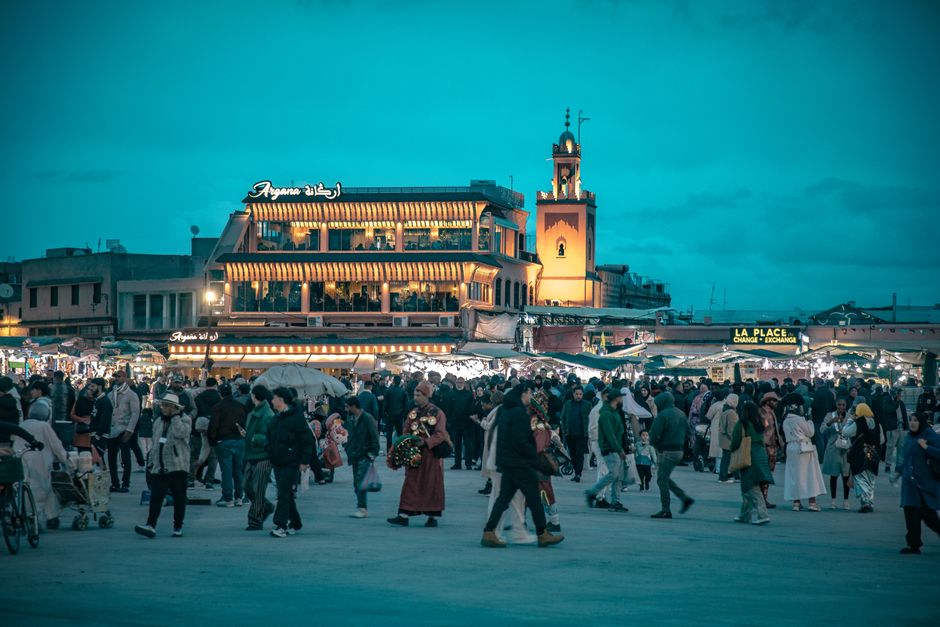
You are standing outside a Marrakech medina gate with a dead phone, a suitcase wheel stuck on a stone, and three strangers offering to lead you somewhere. That is the moment most solo travelers wonder if Morocco is safe. My answer is yes, but only with a plan. Morocco rewards alert travelers and punishes careless ones.
Is Morocco safe for a woman traveling alone?
The answer in one sentence
Yes, Morocco is a realistic destination for solo female travelers in 2026, especially on a route linking Marrakech, Fez, Rabat, Chefchaouen, and Essaouira, but safety here means managing attention, money, transport, and navigation every day rather than expecting a completely relaxed holiday.
The boundary that changes the answer
The main problem is not that every street is dangerous; the problem is friction, because unwanted attention, aggressive guiding, crowded medinas, petty theft, and poor late-night transport can turn a simple walk into a stressful situation quickly.
A solo traveler who arrives in daylight, books a well-reviewed riad, dresses with local surroundings in mind, keeps valuables hidden, and refuses unofficial help has a much easier trip than someone who wanders alone after midnight and trusts the first person who offers directions.
My verdict is clear: Morocco is safe enough for a confident first-time solo traveler, but it is a poor choice for someone who dislikes confrontation, struggles to read a map, or wants spontaneous nightlife with no transport plan.
The real safety risks in Marrakech, Fez, and Casablanca
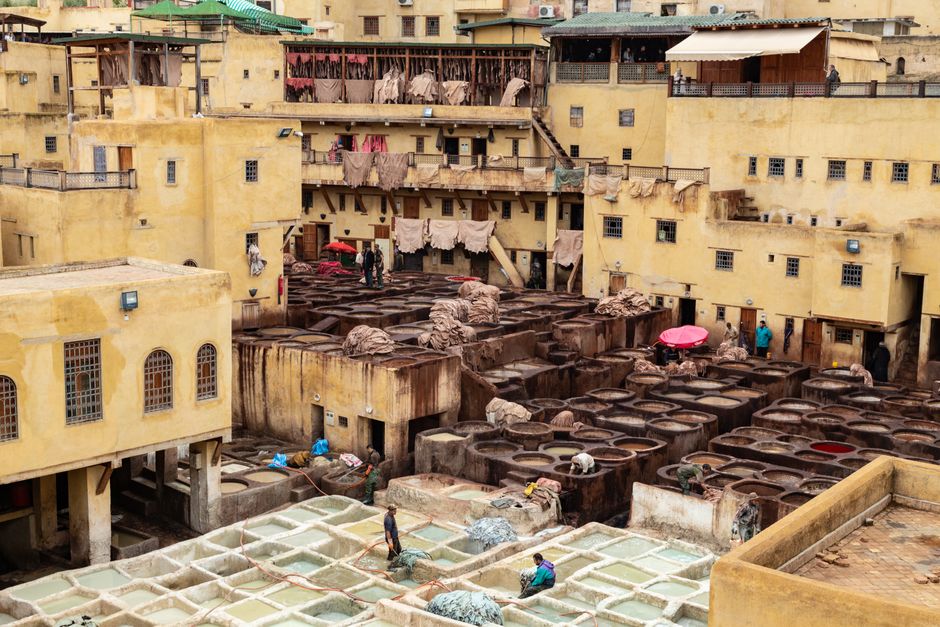
Choose busy, visible routes and leave quiet wandering for daylight. That single rule removes a large share of the problems solo women report in Morocco.
Attention is not the same as danger
Women may receive unwanted attention in Morocco, particularly when traveling alone. Some of it is verbal and annoying rather than physically threatening: comments about your appearance, repeated invitations, or men walking beside you after you have already said no. A calm, firm “No, thank you” followed by continued movement usually works better than an argument. Do not reward persistence with a long explanation.
Petty crime is common in tourist zones, medina quarters, and beaches. Keep your phone away from the edge of the street, wear a crossbody bag across your body, and hold it on the side away from passing motorcycles. The current Morocco safety guidance from the UK government also warns about bag-snatching, pickpocketing, scams, and occasional violent crime.
The medina problem is navigation
Marrakech and Fez medinas are confusing by design. Narrow lanes split into smaller lanes, signs can be weak, and a person may offer to guide you before you ask. The common mistake is following that person deep into an unfamiliar area and then facing a demand for money. If you need help, ask your riad reception, a shopkeeper, a police officer, or an officially badged guide. Save your accommodation pin offline before leaving.
Transport and roads deserve more respect
Road travel creates more risk than many visitors expect. Drivers can speed, traffic can feel chaotic, and secondary mountain roads may have poor lighting. I would use trains between major cities, licensed transfers for airport arrivals, and official taxis rather than accepting a ride from a stranger. Avoid sharing a taxi with someone you do not know. The official guidance warns that some app-booked taxis may be unlicensed or uninsured, so confirm the vehicle and driver before getting in.
For urgent help, write down Morocco’s commonly listed emergency numbers before departure: police 190, gendarmerie 177, and ambulance or fire 150. Keep your passport, insurance details, and an emergency contact in both paper and digital form.
The safest solo Morocco routine, hour by hour
Use this daily sequence
- 8:00 to 10:00: Leave after breakfast, when streets are active and shops are opening. Walk the main route first instead of exploring side alleys immediately.
- 10:00 to 13:00: Visit busy sights, museums, markets, or cafes. Carry only the cash you expect to spend and keep your passport locked at the riad unless you need it.
- 13:00 to 15:00: Take a proper break. Heat, noise, and decision fatigue make travelers careless, especially in Marrakech during warmer months.
- 15:00 to 18:00: Use daylight for longer walks, shopping, or a guided activity. Send your route and expected return time to someone you trust.
- After sunset: Eat near your accommodation or use a prearranged transfer. Do not accept a stranger’s shortcut through an empty lane.
- Before bed: Charge your phone, check the next day’s transport, and keep shoes, clothing, passport, and cash in one easy-to-grab place.
Why this routine works
The routine is simple because solo safety is mostly about reducing bad decisions when you are tired, lost, rushed, or distracted. Daylight gives you more open businesses, more witnesses, and better transport choices. A fixed return time also prevents the classic mistake of staying out because the evening is pleasant and then discovering that the easy route back has disappeared.
My verdict: keep the adventurous part of Morocco for the daytime and spend your evenings close to a known address. You will lose very little and remove a lot of unnecessary stress.
What to wear and how to handle unwanted attention
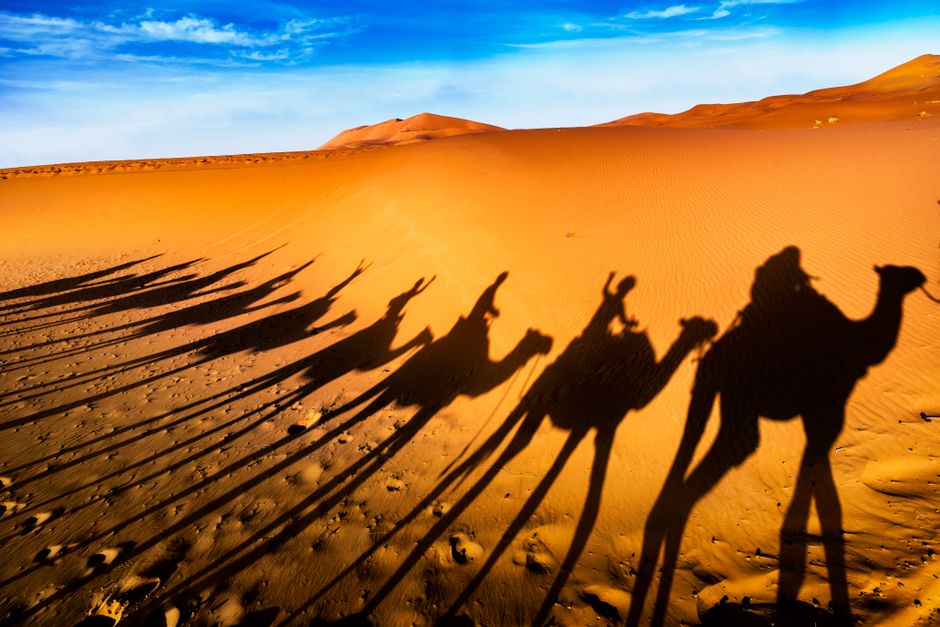
Dress modestly in ordinary public areas. It is the fastest way to reduce friction. You do not need to hide your personality or wear traditional clothing, but loose trousers, longer skirts, covered shoulders, and a light scarf work better than tight shorts and a low-cut top outside resort settings.
Dress for the place, not for the internet
In Marrakech’s tourist districts, you will see a wide range of clothing. That does not make every outfit equally practical. Near religious sites, rural villages, small towns, and during Ramadan, covering your shoulders and knees shows respect and helps you blend into the setting. Bring a thin layer for sun, air-conditioned trains, and conservative stops outside the main tourist areas.
Beach clothing belongs at the beach or inside a resort. Public displays of affection can attract attention, and alcohol belongs in licensed hotels, restaurants, or bars rather than on the street. These are not complicated rules, but ignoring them creates problems you could have avoided.
Use a firm script
Do not smile, negotiate, or explain when you want someone to leave you alone. Say “No, thank you,” keep walking, and enter a busy shop or hotel if the person follows you. If someone claims a street is closed, ask a uniformed official or your accommodation before changing direction. Never hand over your phone for “help” with directions.
My verdict: polite distance beats confrontation. You are not responsible for making a persistent stranger feel comfortable.
The small safety kit I would actually pack
Pack tools that solve specific problems
You do not need tactical gear for Morocco. You need a charged phone, a way to find your bag, backup power, and a daypack that does not advertise what you carry.
| Item | Useful specification | Best use in Morocco |
|---|---|---|
| Apple AirTag | $29 for one or $99 for four; Find My tracking | Put it inside checked luggage or a daypack so you can locate misplaced bags. |
| Anker Nano Power Bank A1259 | $49.99; 10,000mAh; 30W; built-in USB-C cable; 4.09 x 2.06 x 1.02 inches | Keep navigation, translation, and ride calls working during a long day. |
| Pacsafe Citysafe CX Anti-Theft Backpack | $189.95; 17L; cut-resistant material; lockable zippers; RFID-blocking pocket | Useful for travelers carrying a laptop, camera, or passport through crowded areas. |
| Google Maps offline maps | Free download for selected city areas | Navigate medina streets without relying on a strong mobile signal. |
What not to buy
My top pick is the Anker Nano power bank because a working phone prevents several problems at once. Buy the Apple AirTag if you check luggage or carry expensive gear. The Pacsafe Citysafe CX makes sense for a tech-heavy trip, but it is overkill for a light pack and can look bulky in narrow lanes. A normal low-profile crossbody bag works perfectly for most travelers.
Do not buy a loud personal alarm and assume it replaces judgment, and do not rely on an AirTag to recover stolen property. Tracking helps you locate an item; it does not stop theft or summon police.
When Morocco is the wrong solo trip
Should I start with Marrakech?
Yes, if you book a riad with strong recent reviews and arrange the first airport transfer in advance. Marrakech has the biggest tourist infrastructure, but its medina also brings the most pressure from unofficial guides and vendors. Start with two nights, learn the route between your riad and a main square, then add day trips once you understand the rhythm.
Should I hike the Atlas Mountains alone?
No. Hire a professional guide for remote mountain routes, check weather conditions, carry enough water, and confirm that your insurance covers the activity. A solo city trip and a solo mountain trek are different risk categories. The official safety advice for Morocco specifically recommends planning trails carefully and using a professional guide for Atlas Mountain hikes.
When should I cancel or change the plan?
Change the plan if you feel pressured to ignore your instincts, cannot confirm a licensed transfer, have no reliable way to contact anyone, or intend to cross remote areas without a guide. Check your government’s advisory before departure; the US State Department Morocco advisory recommends increased caution because of terrorism risks. Morocco is worth visiting, but it is not worth proving that you can handle every situation alone.
| Travel style | My verdict |
|---|---|
| Major cities, daylight sightseeing, planned transfers | Good choice for a prepared solo traveler |
| Late-night wandering and unplanned taxis | Bad plan; change the routine |
| Remote Atlas trek without a guide | Do not do it |
| First solo trip with a booked riad and clear route | Morocco is a reasonable challenge |
