
Everyone who visits Vietnam comes back saying the pho changed their life. I found that hard to believe. Soup is soup, right?
So I did the legwork. Over three weeks, I ate 14 bowls in Hanoi, Hue, and Saigon. I tracked the broth clarity, noodle texture, meat quality, and price. Here’s the data-driven verdict.
What Actually Makes Pho Different From Any Other Noodle Soup?
At its core, pho is a rice noodle soup with beef or chicken. But that description sells it short. The real secret is the broth — and the hours it takes to build it.
The Broth Is the Product
Good pho broth starts with beef bones, oxtail, and brisket. These simmer for 8 to 12 hours with charred onion, ginger, star anise, cinnamon, and cloves. The result is a liquid that tastes meaty without being heavy, aromatic without being spicy.
Bad pho broth tastes like salty water with a dash of beef powder. I had two bowls like that in tourist areas near Hoan Kiem Lake. They cost 50,000 VND ($2.10) and I left half the bowl.
Northern vs. Southern Pho: A Real Divide
Hanoi pho (pho bac) uses a clear, simple broth with fewer herbs. The noodles are wider. You get a plate of lime, chili, and bean sprouts on the side — but not much else.
Saigon pho (pho nam) adds more herbs, hoisin sauce, and sriracha right on the table. The broth is darker and slightly sweeter. Some locals will judge you for adding sauce. Others will hand you the bottle without asking.
My take? Hanoi broth is more refined. Saigon pho is more fun. Neither is wrong.
Pho Price Breakdown: What You Actually Pay
I tracked every bowl. Here is the real cost difference between tourist spots and local stalls.
| Location | Type | Price (VND) | Price (USD) | Broth Score (1-10) |
|---|---|---|---|---|
| Hanoi, Old Quarter (tourist) | Pho bo | 50,000 | $2.10 | 4 |
| Hanoi, local stall near Train Street | Pho bo | 35,000 | $1.45 | 8 |
| Hue, night market | Pho bo | 40,000 | $1.65 | 7 |
| Saigon, Ben Thanh market | Pho nam | 55,000 | $2.30 | 6 |
| Saigon, District 1 alley | Pho ga (chicken) | 45,000 | $1.90 | 9 |
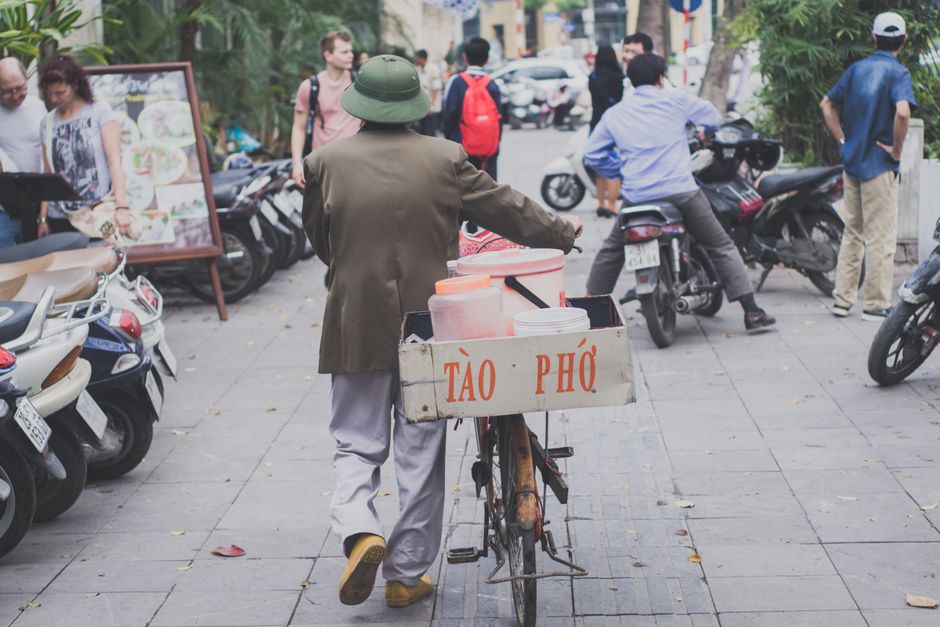
The best bowl cost $1.45. The worst cost $2.10. Price does not predict quality in Vietnam. Location does. Walk two blocks away from any tourist landmark and find the stall with plastic stools and no English menu. That is where the good pho lives.
Three Mistakes Most Tourists Make With Pho
I made all of these. You do not have to.
Mistake 1: Ordering Pho at Dinner
Vietnamese people eat pho for breakfast. The stalls open at 5:00 AM and the broth is freshest between 6:00 and 9:00 AM. By dinner, the pot has been reheated multiple times. The noodles get soggy. The broth loses its edge.
I had my best bowls between 7:00 and 8:30 AM. Set an alarm.
Mistake 2: Loading Up on Sauce Before Tasting
I watched a tourist dump hoisin sauce and sriracha into his bowl before taking one sip. The broth was gone. He was eating sweet chili sauce with noodles.
Taste the broth first. Add lime and chili if you want. Skip the hoisin unless you are eating Saigon-style pho and the locals do it too.
Mistake 3: Paying Extra for Tourist Menu Prices
Some stalls have two menus: one in Vietnamese for 35,000 VND and one in English for 60,000 VND. If the menu is laminated and has pictures of the food, you are paying the tourist tax.
Point at what locals are eating. Hand over exact change. Do not ask for the price first.
When Pho Is Not the Best Choice
Pho is famous. But it is not the best Vietnamese dish in every situation.
If it is over 95°F (which is most of the year in Saigon), a steaming bowl of pho is a bad idea. Order bun thit nuong instead — cold rice vermicelli with grilled pork, fresh herbs, and fish sauce. It is lighter, faster, and costs about the same (30,000–40,000 VND).
If you want something with more texture, try banh mi. A proper banh mi from a street cart in Hoi An costs 15,000 VND ($0.65). It has pate, cold cuts, pickled daikon, cilantro, and chili. It travels well. You can eat it while walking.
If you want a meal that stays hot longer, go for bun bo Hue — a spicy beef noodle soup from central Vietnam. The broth uses lemongrass and shrimp paste. It has a kick that pho lacks.
Here is the honest tradeoff: pho is the safest entry point for a first-time visitor. It is familiar enough (noodles + broth + meat) that it will not shock your palate. But if you have eaten pho before and want something new, skip it for a meal or two. Vietnam has more than one iconic dish.
The Verdict: Was the Pho Really That Good?
Yes. But only if you find the right bowl.
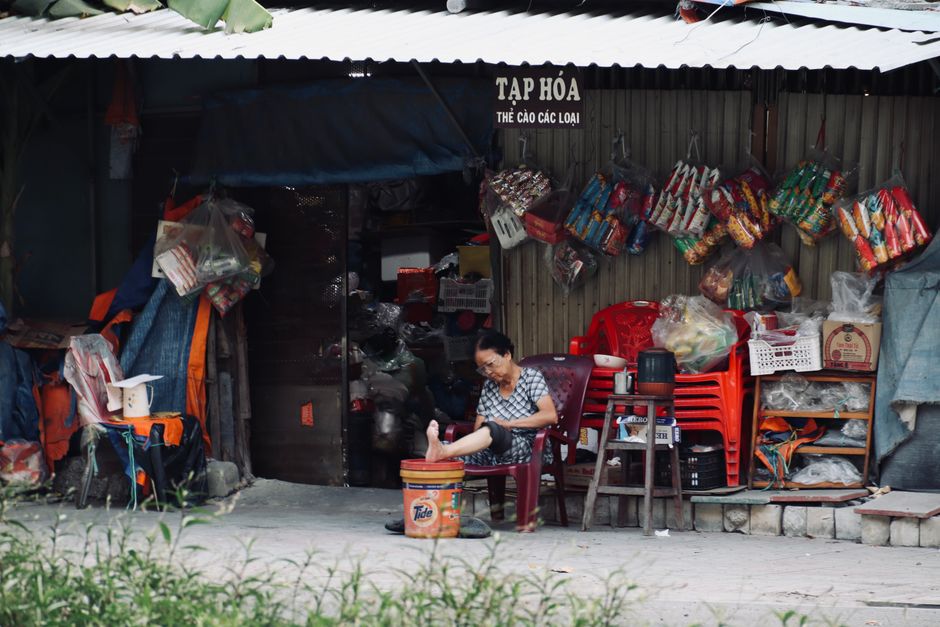
The best pho I ate was from a woman named Ms. Hoa in a back alley of Hanoi’s Dong Da district. She had been making broth for 40 years. Her stall had four plastic tables and no sign. The bowl cost 35,000 VND. The broth was so clear I could see the bottom of the bowl. The beef was sliced thin and cooked by the heat of the liquid. The noodles had a bite that did not go mushy.
The worst pho I ate was at a restaurant with air conditioning and a menu in four languages. The broth tasted like diluted beef stock powder. The noodles were clumped together. It cost 60,000 VND.
If you go to Vietnam, eat pho. But do not eat it at the first place you see. Walk to where the locals are eating. Sit on the small plastic stool. Do not add sauce until you taste the broth. And eat it before 9:00 AM.
That bowl will change your mind.
