
You’ve booked flights to Kyoto. You’ve read about the Golden Pavilion and the bamboo grove. But here’s the real question: how do you spend five days in Kyoto without standing in line for two hours behind a hundred other tourists holding selfie sticks?
This itinerary skips the overcrowded Instagram traps and sends you to places where you can actually hear the wind through the maple leaves. I spent three weeks walking every district in Kyoto to build this. No filler. Just what works.
Day 1: Northern Hills — Temples With Actual Silence
Most tourists hit Kinkaku-ji (Golden Pavilion) first thing. Bad move. That place is a zoo by 9 AM. Instead, start your trip in the northern hills where the crowds thin out fast.
Start at Ryoan-ji Before 8 AM
Ryoan-ji’s rock garden is famous for a reason. Fifteen stones arranged on raked white gravel — you can sit on the wooden veranda and watch the light shift for an hour. Get there when gates open at 8 AM. You’ll have the place nearly to yourself until 9:30. Entrance is ¥500 ($3.50).
Walk the pond path behind the garden. Most people miss it. The tea house at the far end serves matcha for ¥700 ($5) and you can sit looking at the water. No crowds. Just birds.
Kinkaku-ji at 11 AM — But Do It Right
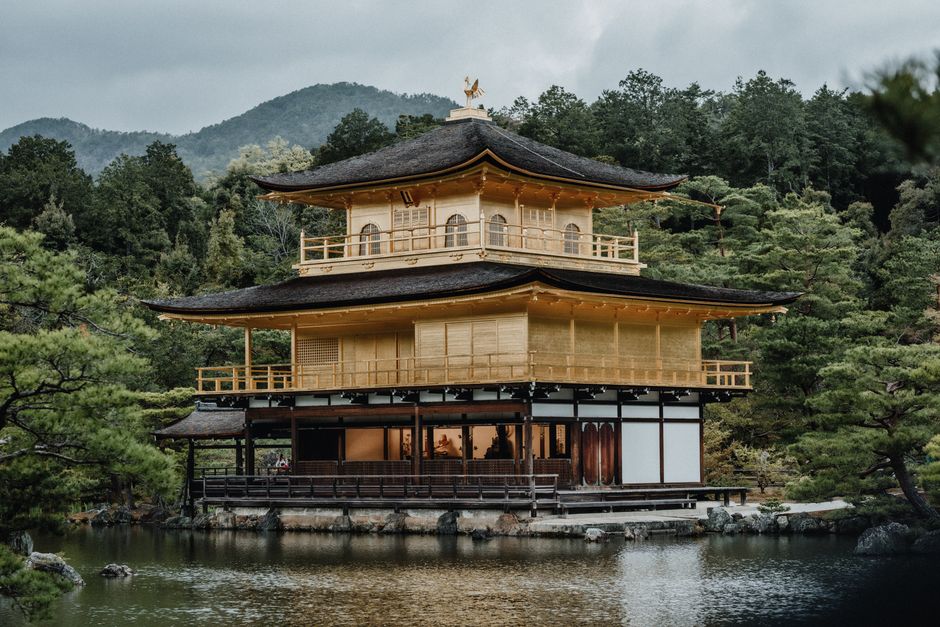
Kinkaku-ji is unavoidable. It’s stunning — a gold-leaf temple reflecting in a mirror pond. But everyone goes. The trick: arrive at 11 AM when the first tour buses are leaving for lunch. You’ll still have people, but not shoulder-to-shoulder. Spend 30 minutes max. Walk the garden path once, take your photo, leave. Don’t linger.
Lunch nearby at Omen Kodai-ji for udon noodles. A bowl costs ¥1,200 ($8.50). Simple, clean, satisfying.
Afternoon: Daitoku-ji Temple Complex
This is the hidden gem of north Kyoto. Daitoku-ji is a sprawling complex of 20+ sub-temples. Most tourists skip it entirely. You can wander through Daisen-in (¥400, $3) and see one of Japan’s most beautiful dry landscape gardens with almost no one else there. The moss-covered paths between temples feel like a different century.
Spend 2 hours here. It’s quiet enough to hear your own footsteps.
| Spot | Best Time | Cost | Crowd Level |
|---|---|---|---|
| Ryoan-ji | 8-9:30 AM | ¥500 | Low |
| Kinkaku-ji | 11 AM | ¥500 | Medium |
| Daitoku-ji | 1-3 PM | ¥400-800 | Very low |
Day 2: Eastern Kyoto — The Philosopher’s Path Without the Philosopher’s Crowds
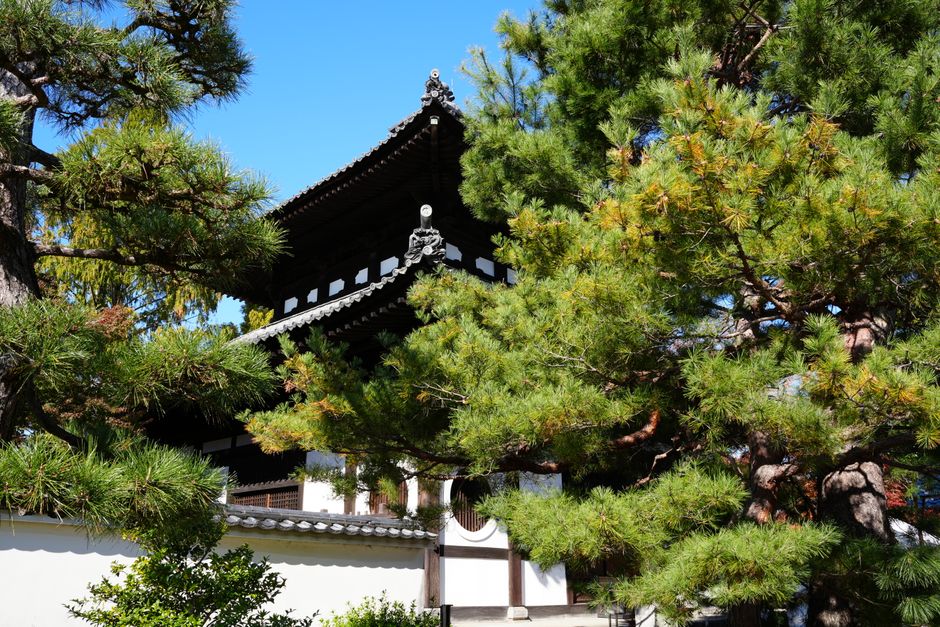
The Philosopher’s Path is a 2-kilometer canal walk lined with cherry trees. In spring, it’s a nightmare of selfie sticks. But there’s a way to do it right.
Start at Nanzen-ji at 7:30 AM
Nanzen-ji is a massive temple complex at the south end of the path. The main hall is impressive, but the real find is the aqueduct — a Roman-style brick structure built in the Meiji era that cuts through the temple grounds. Most people walk right past it. Climb the stairs to the top for a view over the treetops. Free entry to the grounds. The sub-temple with the famous tiger painting costs ¥500.
From Nanzen-ji, walk north along the Philosopher’s Path. At 8 AM, you’ll share it with maybe 10 other people. By 10 AM, it’s packed. So start early.
Skip Ginkaku-ji — Go to Honen-in Instead
Ginkaku-ji (Silver Pavilion) is the official endpoint of the path. It’s beautiful but crowded. Instead, turn left 200 meters before Ginkaku-ji and walk to Honen-in. This tiny temple has a moss garden that looks like a fairy tale. The thatched gate is covered in moss so thick it looks furry. No entrance fee. You might be the only person there.
Common mistake: trying to see everything on the path in one morning. Pick 2-3 spots. Walk slowly. Sit on a bench. That’s the point.
Lunch at a Local Okonomiyaki Place
Head to Okonomiyaki Katsu near Demachiyanagi station. A savory pancake with pork and cabbage costs ¥900 ($6.50). You cook it yourself on a hot plate at your table. It’s loud, smoky, and delicious.
Day 3: Arashiyama — The Bamboo Grove Before the Buses Arrive
The bamboo grove is the most photographed spot in Kyoto. It’s also the most frustrating. Here’s how to beat the system.
Enter the Bamboo Grove at 6:30 AM
The grove is open 24 hours. No gate. No ticket. Most people show up at 9 AM when the tour buses arrive. If you walk in at sunrise, you’ll have the path to yourself. The light filters through the bamboo stalks and the whole place glows green. It’s worth the early alarm.
After 30 minutes, the grove gets busy. Leave before 7:30 AM.
Okochi Sanso Garden — The Overlooked Masterpiece
Right next to the bamboo grove exit is Okochi Sanso, the former villa of a famous Japanese actor. Most tourists walk right past. The garden is enormous — a hillside with tea houses, ponds, and a view over all of Kyoto. Entrance is ¥1,000 ($7) and includes matcha and a sweet at the tea house. Worth every yen. Spend 90 minutes here.
Tenryu-ji Temple — But Go Through the Back Gate
Tenryu-ji is the main temple in Arashiyama. The front entrance is a mob scene. Instead, enter through the north gate from Okochi Sanso. You walk directly into the garden without the crowds. The garden is a UNESCO World Heritage site — a pond garden designed in the 14th century. Entrance is ¥500. The crowd inside moves fast. You can find a quiet corner near the back of the garden.
Lunch at Yoshimura Soba — buckwheat noodles served hot or cold. A bowl costs ¥1,100 ($7.50). The second-floor seating overlooks the Katsura River.
Day 4: Southern Kyoto — Fushimi Inari Without the Hiking Train
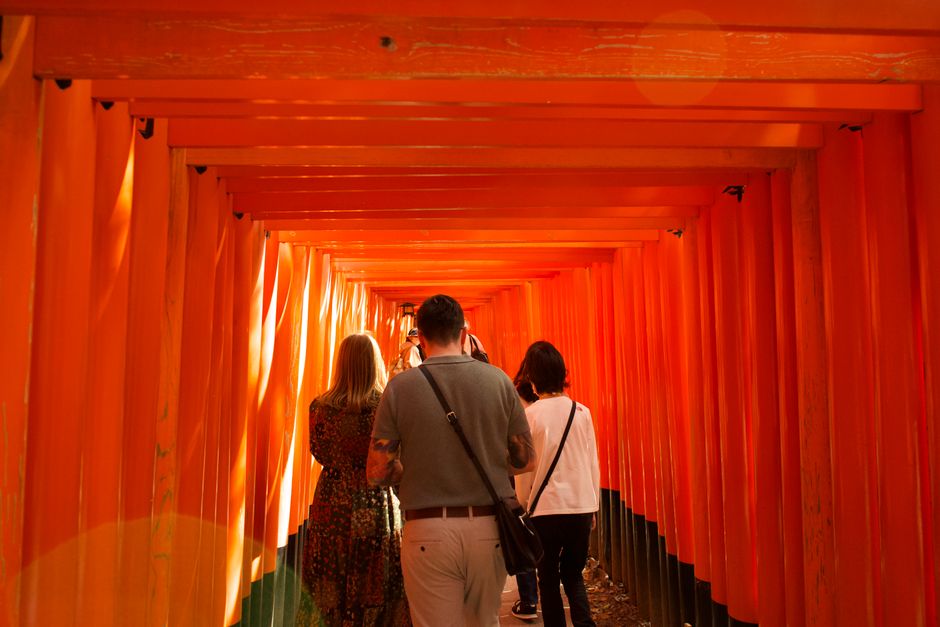
Fushimi Inari is the iconic thousand-torii-gate shrine. It’s also a 4-kilometer mountain hike. Most people give up after the first 500 meters. That’s your opportunity.
Hike the Full Trail
The gates are crowded for the first kilometer. After that, 80% of people turn back. Keep going. The upper trail is nearly empty. You’ll pass small shrines, forest paths, and a view over Kyoto from the summit. The full hike takes 2-3 hours. Bring water. Wear good shoes. The path is stone steps, not a paved road.
Start at 7 AM. The shrine opens 24 hours. Early morning light through the gates is spectacular.
Afternoon: Tofuku-ji — The Best Autumn Colors (and Quiet Year-Round)
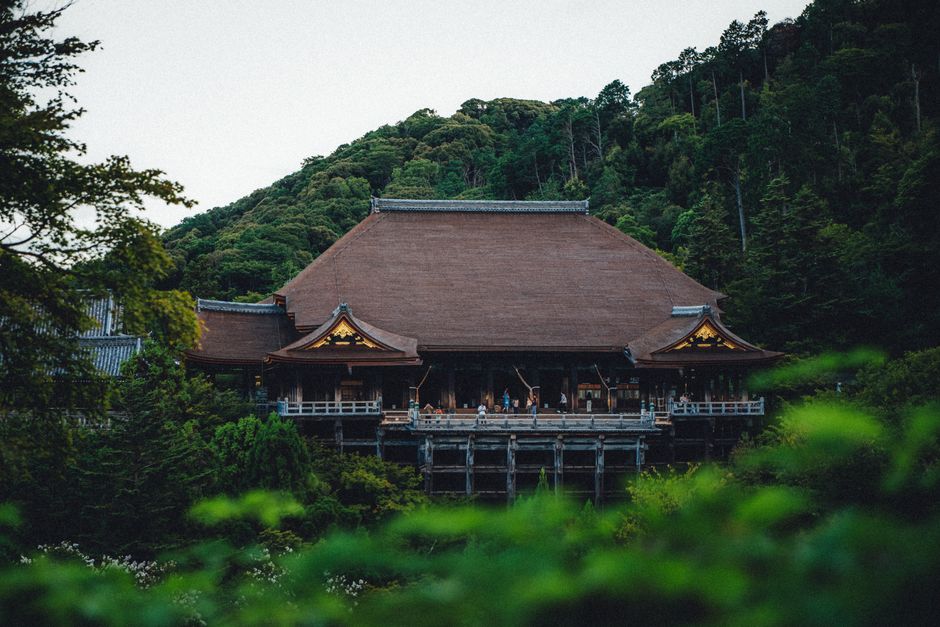
Tofuku-ji is 10 minutes from Fushimi Inari by train. It’s famous for autumn leaves, but it’s beautiful any season. The main attraction is the Tsutenkyo Bridge — a covered wooden bridge that crosses a valley filled with maple trees. In spring, the new leaves are bright green. In summer, deep shade. In autumn, fire red. Winter is stark and peaceful. Entrance is ¥400.
Most people visit Fushimi Inari and leave. Tofuku-ji gets a fraction of the visitors. You can sit on the bridge for 20 minutes without anyone bothering you.
Evening: Pontocho Alley for Dinner
Pontocho is a narrow alley along the Kamo River with dozens of tiny restaurants. It’s touristy, but it’s also genuinely atmospheric. The trick: skip the main drag and walk to the end near Sanjo station. Isobe serves grilled skewers (yakitori) for ¥150-300 each. Sit at the counter. Watch the cooks work. No English menu, but pointing works.
Failure mode: going to Pontocho between 7-8 PM when every restaurant has a 45-minute wait. Go at 5:30 PM. You walk right in.
Day 5: The Hidden North — Kibune and Kurama
Most tourists never leave central Kyoto. That’s a mistake. The northern mountains hold two of the most beautiful spots in Japan, and you can see both in one day.
Morning: Kurama-dera Temple
Take the Eizan Railway from Demachiyanagi station to Kurama (30 minutes, ¥420). The train passes through forest and small towns. Kurama-dera is a mountain temple dedicated to a fire deity. The approach is a 30-minute uphill walk through a cedar forest. You pass a massive stone gate and a main hall built into the mountainside. The energy here is different — quiet, ancient, powerful. Entrance is ¥300.
At the top, there’s a small shrine and a view over the valley. The walk down is through a different path that takes you past a waterfall.
Afternoon: Kibune — Lunch Over a River
From Kurama station, it’s a 10-minute walk through a tunnel to Kibune. This tiny village is famous for kawadoko — restaurants that build platforms over the Kibune River. You sit on tatami mats with the water rushing beneath you. The sound is incredible.
Head to Kibune Saryo for a set lunch. A kaiseki-style meal with river fish, vegetables, and rice costs ¥3,500 ($25). Reservations recommended. Book a few days ahead through your hotel.
After lunch, walk the Kibune river path. It’s only 500 meters long but lined with tea houses and mossy stone walls. Most people come for the restaurants and leave. The walk itself is the real gem.
One more thing: bring cash. Kibune and Kurama have no ATMs. The restaurants and temples only take yen.
That’s five days. You’ll see the famous spots, but you’ll also find the quiet corners that make Kyoto worth the trip. The key is timing. Start early. Skip the queue. Walk a little further than everyone else.
