
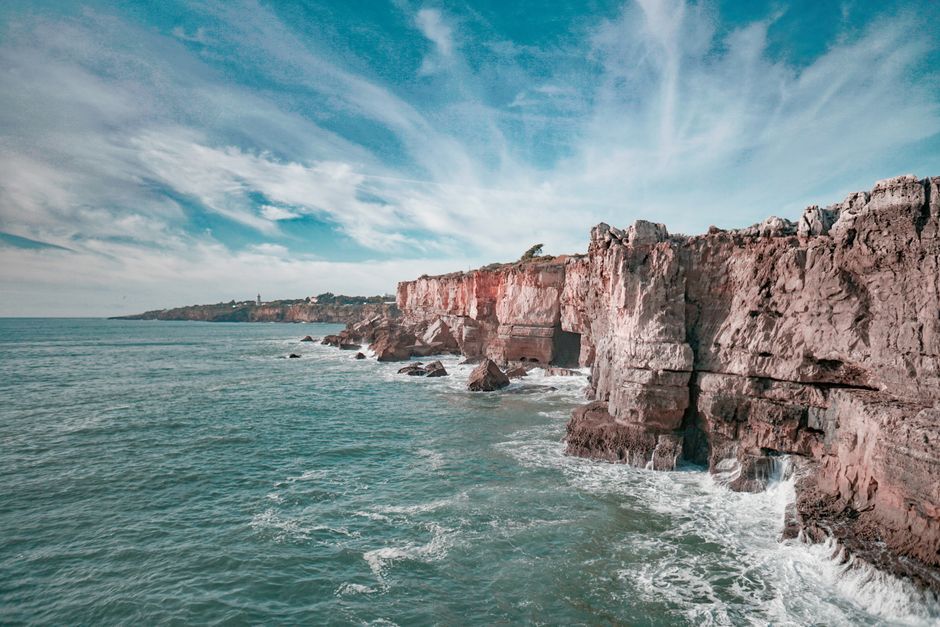
Portugal has a problem. Everyone goes to the same two cities. Lisbon is wall-to-wall tuk-tuks and €5 pastel de nata. Porto’s Ribeira is a selfie stick convention. Meanwhile, the rest of the country sits nearly empty, with cheaper hotels, better food, and actual silence at night.
I spent six weeks driving Portugal end-to-end in 2026. These ten places are the ones I’d go back to. None of them require a tour bus. None of them have a line for photos. And your money goes twice as far.
1. The Algarve Everyone Forgets Exists
Most tourists land in Faro, rush to Benagil Cave, and leave thinking the Algarve is just cliffs and crowded beaches. They miss the eastern half entirely.
Tavira: The Real Algarve
Tavira sits on the Gilão River, 30 minutes east of Faro. It has a Roman bridge, a castle you can climb for free, and seven churches within walking distance. The main square, Praça da República, has three restaurants where a grilled fish lunch costs €12-€15. No English menus. No tourist markups.
The beaches here — Ilha de Tavira, Praia do Barril — require a short ferry (€2.50 round trip) or a miniature train. That barrier keeps the crowds thin. You get white sand, warm water, and beach bars charging €3 for a beer instead of €7.
Key stat: Tavira receives roughly 15% of the tourists that Lagos gets, despite having better beaches and lower prices.
Cacela Velha: One Street, One View
This is a single-street village perched on a cliff above the Ria Formosa lagoon. Population: maybe 200. There’s one restaurant (O Marinheiro, order the cataplana), one small church, and a viewpoint that looks straight down onto a sandbar beach. No hotels. No souvenir shops. You park outside and walk in.
Bring a picnic. Stay for sunset. Leave before dark.
2. The Costa Vicentina: Europe’s Last Undeveloped Coastline
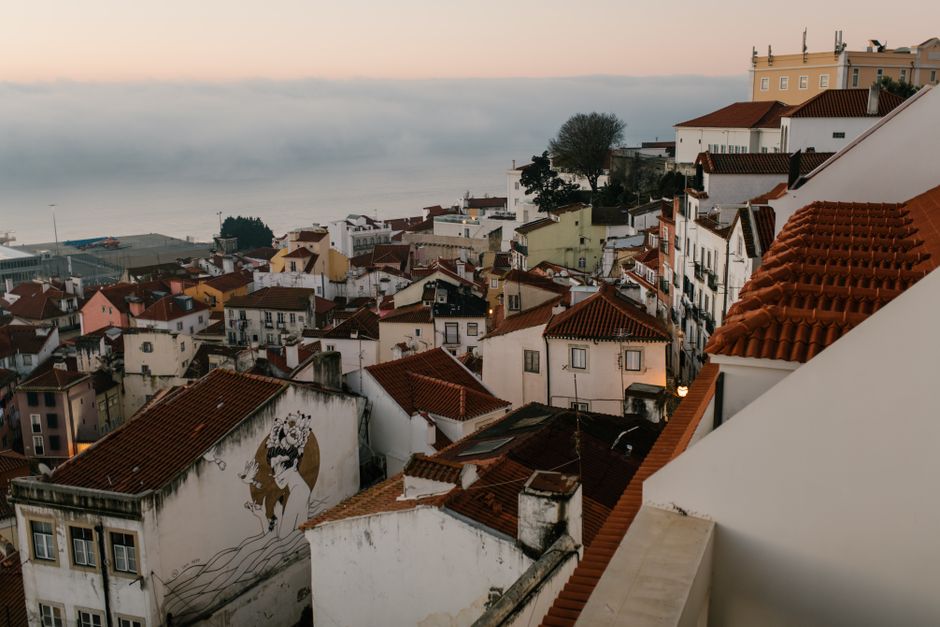
Southwest Portugal has 150 kilometers of protected coastline. No high-rises. No golf resorts. Just cliffs, empty beaches, and surf.
This is the Algarve as it was in 1980. The Costa Vicentina Natural Park runs from Porto Covo down to Sagres. You can walk for hours without seeing another person. In August.
Vila Nova de Milfontes
The biggest town on this coast, and still small. Population 5,000. Two beaches flank the river mouth: Praia do Farol (calm, family-friendly) and Praia da Franquia (surf, waves). A double room in a guesthouse runs €50-€70 in peak season. Compare that to €150+ in Albufeira.
Eat at Retiro do Pescador. They serve what the local fishermen caught that morning. No menu. No choices. You eat what came in. Best meal I had in Portugal, cost €18 including wine.
Zambujeira do Mar
Smaller, quieter, steeper cliffs. The beach is at the bottom of a long wooden staircase. The town has one main street, three restaurants, and a music festival in August that doubles the population for a weekend. Outside that week, it’s dead silent.
Warning: The stairs to the beach are 200+ steps. Not great if you have mobility issues or heavy bags.
3. Monsaraz: A Medieval Hilltop You Walk Across in 15 Minutes
Monsaraz sits on a hill overlooking the Alqueva Dam reservoir. The entire walled village takes maybe 20 minutes to walk end to end. But you’ll want to sit and stare.
The castle is free. The views stretch into Spain on a clear day. The streets are whitewashed stone, narrow enough that two people can’t walk side by side. There are exactly four restaurants inside the walls. All serve the same thing: Alentejo-style pork, migas (bread porridge), and local red wine.
Where to stay: There’s one hotel inside the walls, Casa do Castelo, with six rooms. Book three months ahead. Alternatively, stay in the nearby town of Reguengos de Monsaraz (€50/night) and drive up for sunset.
This is not a day trip. Stay overnight. The village empties at 6 PM when the tour buses leave. You get the castle to yourself.
4. The Alentejo Interior: Where Portugal Goes to Slow Down
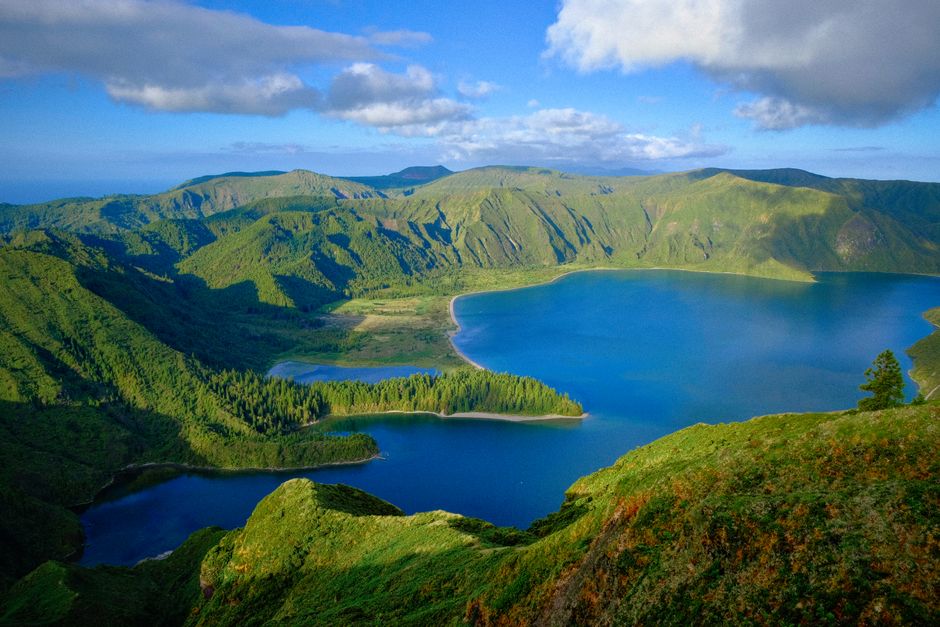
The Alentejo region covers a third of Portugal but has only 5% of the tourists. It’s wheat fields, cork oak forests, and whitewashed villages that haven’t changed in 200 years.
Évora: The Only City on This List
Évora has 50,000 people and a Roman temple in the middle of town. The Templo de Évora is 2,000 years old, free to see, and usually has maybe 10 people around it. The Chapel of Bones (Capela dos Ossos) is covered in human skulls and femurs. Admission: €5. It’s morbid and unforgettable.
The city walls are intact. You can walk the entire perimeter in an hour. Inside, every street leads to a plaza with a café and old men playing cards.
Budget breakdown for a day in Évora:
| Item | Cost (€) |
|---|---|
| Lunch (grilled pork with migas, glass of red wine) | 12 |
| Chapel of Bones entry | 5 |
| Coffee and pastel de nata | 2.50 |
| Local bus from Lisbon (round trip) | 20 |
| Total day trip | 39.50 |
Mértola: The Town Nobody Visits
Mértola sits at the confluence of the Guadiana and Oeiras rivers. It has a castle, a mosque-turned-church, and a riverfront that looks like a painting. The population is 2,800. On a Tuesday afternoon, I saw exactly three other tourists.
The Museu de Mértola costs €3 and covers Roman, Islamic, and medieval history in one building. The river boat tour (€10) takes you through the Guadiana Valley Natural Park. You might see storks, otters, and zero other boats.
5. Serra da Estrela: Portugal’s Only Mountain Range
Everyone goes to the beach. Almost nobody goes to the mountains. The Serra da Estrela is the highest point in mainland Portugal, reaching 1,993 meters at Torre. It has snow in winter, hiking trails in summer, and a cheese that’s worth the drive alone.
Queijo da Serra is a soft, buttery sheep’s milk cheese. You buy it directly from the shepherds in the village of Seia for €8-€10 a wheel. In Lisbon, the same cheese costs €25.
Manteigas: The Base Camp
Manteigas is a small town in the Zêzere Valley. It has a natural swimming pool fed by mountain water (free), several hiking trails starting from the town square, and a handful of hotels under €60/night.
The Rota do Pastor (Shepherd’s Route) is a 12-kilometer loop through the valley. Moderate difficulty. Takes 4-5 hours. You pass abandoned stone huts, a waterfall, and a viewpoint over the entire valley. No entrance fee. No crowds.
Warning: The road up to Torre is narrow and winding. Drive carefully. In winter, you need snow chains. Rent them in Manteigas for €10/day.
6. Óbidos: The Medieval Village That Actually Works
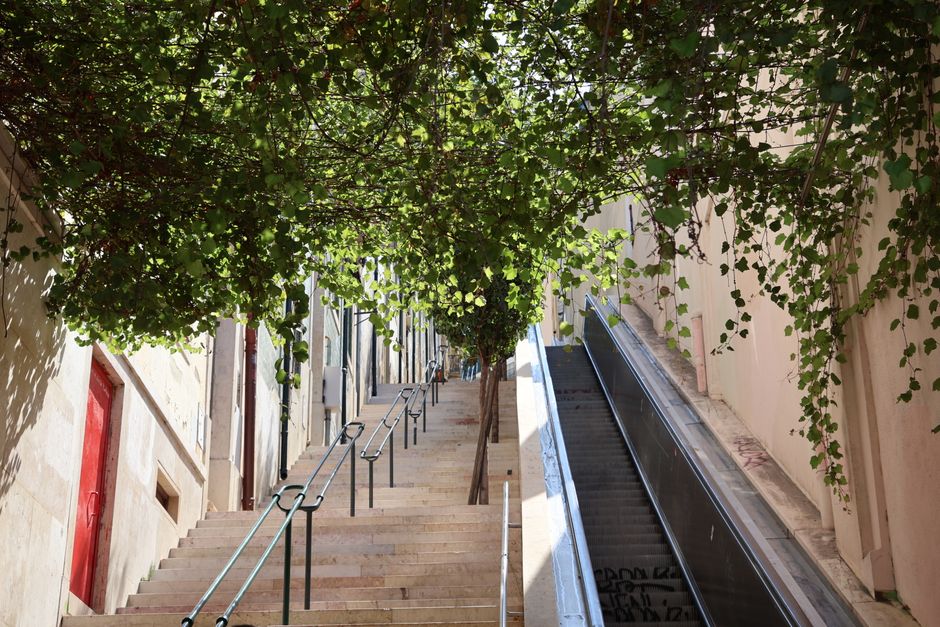
Óbidos is touristy. I’ll be honest. But it’s touristy for a reason. The entire village is inside a 12th-century castle wall. The main street is cobblestone, lined with white houses with yellow and blue trim. It’s the most photogenic town in Portugal.
The trick is timing. Arrive at 8 AM. The gates open, but the tour buses don’t arrive until 10. You get 90 minutes of near-empty streets. The castle walls are walkable — 1.5 kilometers around the entire perimeter. Do it before 9 AM.
What to buy: Ginjinha, a sour cherry liqueur served in a chocolate cup. The original shop, Ginjinha d’Óbidos, sells it for €2.50 a cup. It’s sweet, strong, and the chocolate cup is edible.
Stay at Pousada do Castelo if you can afford it (€150-€250/night). It’s inside the castle itself. Otherwise, stay in the nearby town of Caldas da Rainha (€40/night, 10 minutes by bus) and day-trip in.
7. Aveiro: The Venice That Isn’t Venice
Aveiro is a coastal city with canals, colorful boats (moliceiros), and Art Nouveau buildings. People call it the “Venice of Portugal.” That’s marketing. But it’s genuinely pleasant and far cheaper than the real thing.
The moliceiro boats were originally used for harvesting seaweed. Now they’re tourist rides. A 45-minute canal tour costs €10. You’ll see the main canals, the salt flats, and the university campus.
Skip the tourist boats on the main canal. Walk to the Costa Nova district instead. It’s a 20-minute bus ride (€2). That’s where the striped beach houses are — red and white, blue and white, green and white. The beach is wide, flat, and rarely crowded.
Eat at O Bairro in the old town. They serve ovos moles (egg yolk sweets) and fresh seafood. A full dinner with wine: €20.
8. Braga: The Religious Capital Nobody Tours
Braga is Portugal’s third-largest city and the center of Catholic pilgrimage. It has a 12th-century cathedral, a sanctuary on a hill (Bom Jesus do Monte), and a Roman temple ruins (Templo de São Frutuoso). Yet most tourists skip it for Porto, 45 minutes south.
Bom Jesus do Monte is the highlight. It’s a baroque staircase with 577 steps, each landing representing a different station of the cross. The views over Braga from the top are worth the climb. There’s also a funicular (€1.50 one way) if your knees object.
The cathedral, Sé de Braga, costs €2 to enter. The cloisters are Gothic, the chapels are baroque, and the treasury has a 12th-century silver cross. It’s one of the oldest cathedrals in Portugal, and it’s almost always empty.
Braga’s food scene is underrated. Try Frigideiras do Cantinho for the local specialty: frigideiras, a fried pastry filled with meat. €1.50 each.
9. The Douro Valley Without the Wine Tour Prices
The Douro Valley is famous for port wine and terraced vineyards. The tourist version involves a €100 day trip from Porto with a bus full of strangers. The real version costs half that and is ten times better.
Rent a car in Porto. Drive east on the N222, one of the most scenic roads in Europe. Stop at small vineyards (quintas) that don’t have websites. Knock on the door. Most will give you a tasting for €5-€10.
Pinhão: The Heart of the Valley
Pinhão is a village of 2,000 people on the Douro River. The train station is covered in blue and white azulejo tiles depicting wine harvest scenes. The riverfront has a handful of restaurants and wine bars.
Quinta do Vallado is a working vineyard 5 minutes from Pinhão. They offer tastings from €15 and have a small hotel (rooms from €80). The tour includes the cellars, the vineyards, and a glass of 20-year-old tawny port.
Don’t do a wine cruise. They’re overpriced (€80-€120) and you spend half the time on a boat looking at other boats. Drive yourself. Stop where you want. Stay overnight.
10. The Azores: The Island Everyone Forgets
The Azores are nine volcanic islands in the middle of the Atlantic. They’re part of Portugal but feel like another planet. Green lakes, black sand beaches, thermal hot springs, and cows outnumbering people 2:1.
Most tourists go to São Miguel (the main island) and stop there. That’s fine, but the real hidden gems are on the smaller islands.
Flores Island: Waterfalls and Empty Trails
Flores has 3,500 people and more waterfalls than roads. The Poço da Ribeira do Ferreiro is a valley with seven waterfalls dropping into a single pool. You can swim in it. There’s no entrance fee. You might be the only person there.
Getting there requires a flight from Ponta Delgada (€60-€100 round trip) or a ferry (€40, 4 hours). Once you’re there, rent a car (€30/day) because there’s no public transport.
Where to stay: There’s one hotel in the main town of Santa Cruz, the Hotel Ocidental. Rooms from €55. It’s basic, clean, and 50 meters from the ocean.
The Azores are not a weekend trip. Plan at least 5 days for São Miguel alone, 7-10 if you island-hop. Flights from Lisbon to Ponta Delgada start at €40 one way on SATA Azores Airlines.
How to Make This Trip Work Without Breaking the Bank
Rent a car. Public transport between these places is slow or nonexistent. A small car from Lisbon airport costs €25-€35/day in shoulder season (April-June, September-October). Book through a local broker, not the big international sites — you’ll save 20-30%.
Budget per day (excluding car rental):
| Category | Budget (€) | Mid-range (€) |
|---|---|---|
| Accommodation (double room) | 40-50 | 70-90 |
| Food (3 meals + coffee) | 20-30 | 35-50 |
| Activities (museums, tastings, ferries) | 10-20 | 25-40 |
| Total per person | 35-50 | 65-90 |
Compare that to Lisbon, where a basic hotel room costs €80+ and dinner for two hits €50. You save money and see a better version of Portugal.
Portugal’s best parts aren’t in the guidebook photos. They’re in the villages where nobody speaks English, the beaches you reach by dirt road, and the hilltop castles you have to yourself at dawn. Go find them.
