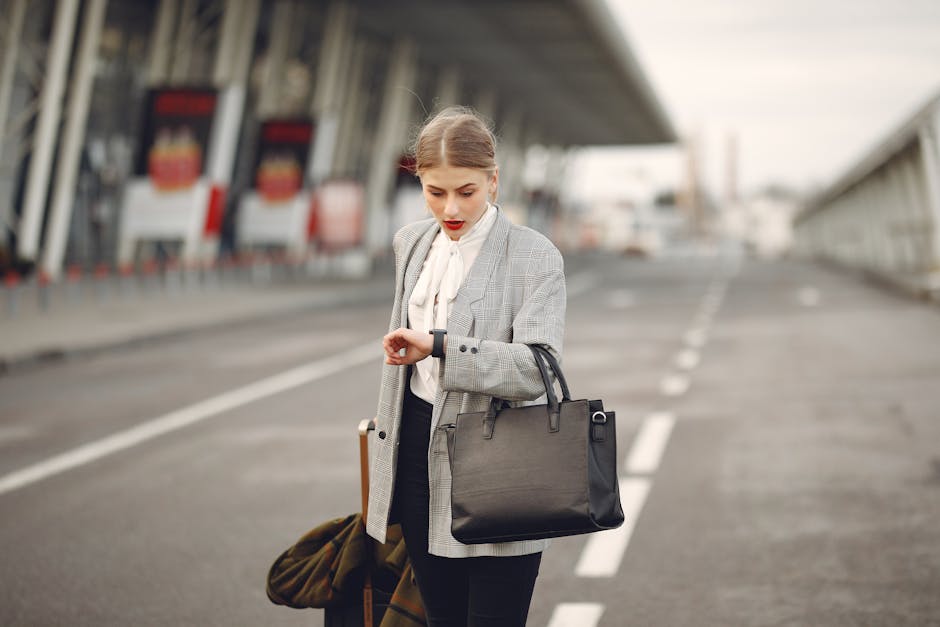
A friend booked flights to Seoul for the first week of April last year. She’d seen the cherry blossom photos — who hasn’t — and assumed any hotel would do. By the time she tried to book accommodation three months out, the cheapest room she could find in central Seoul cost $380 per night. She ended up staying 40 minutes outside the city, commuting in during peak metro hours, and missing the bloom peak by two days anyway.
The timing problem in Korea is real, and it runs deeper than hotel prices. Go in the wrong week and you’re fighting crowds at every major site. Go in the right week but the wrong region, and you miss what you came for entirely. This piece maps the actual windows — by month, by region, and by what the trip realistically costs.
Spring and Autumn Are Genuinely Worth the Hype — With Caveats
Spring (late March through May) and autumn (October through early November) are Korea’s strongest travel seasons — but “spring” and “autumn” are too vague to be useful. The difference between late March and late April in Seoul is dramatic in terms of crowds, prices, and what’s actually happening outside.
Cherry Blossom Timing Is More Specific Than You Think
The cherry blossom peak in Seoul typically falls in the first two weeks of April — but “peak” means a window of roughly five days when trees are at full bloom. The rest is either pre-bloom or rapidly browning petals on wet pavement. The Korea Meteorological Administration releases bloom forecasts each spring, and these are worth checking against your specific travel dates.
Yeouido Hangang Park is the most famous viewing spot in Seoul and gets genuinely overwhelming crowds on weekends — thousands of people, limited sightlines, and queues for food stalls that stretch 30 minutes. A better alternative: Jinhae in South Gyeongsang Province holds the Jinhae Gunhangje Festival, the largest cherry blossom festival in Korea. The town transforms in late March to early April, with military port canals lined with flowering trees. It’s more photogenic than Yeouido despite being far less internationally known.
The Lotte Hotel Seoul and the Shilla Hotel — both perennial favourites in central Seoul — sell out months in advance for April dates. If you’re committed to cherry blossom season in Seoul, accommodation needs to be booked by November the year before, not three months out.
Autumn’s Underrated Sweet Spot
October is arguably the best single month to visit Korea. The summer humidity has completely cleared, temperatures sit between 15°C and 22°C during the day, and the foliage starts turning in the national parks around mid-October. Seoraksan National Park typically sees peak autumn colour in the third week of October. Naejangsan National Park peaks slightly later — late October through early November — with maple reds that are genuinely extraordinary.
The crowd dynamic in autumn is different from spring. International tourist surges are less intense than during cherry blossom season, though Korean domestic travel is still high. Hotel prices are elevated but rarely reach the April absurdity. A mid-range central Seoul hotel in October runs $150–$195/night compared to $250–$400+ in early April.
The Shoulder Weeks Most People Overlook
The week immediately before cherry blossom peak (late March) and the week after (mid-April) are significantly cheaper and less crowded. The trees are either partially blooming or just past peak, but the city is still in spring mode — outdoor markets, warm evenings, restaurants with terrace seating open. Same logic applies in autumn: early October and mid-November offer near-identical experiences to the “peak” weeks at 30–40% lower accommodation costs. Nobody photographs partially turned leaves, which is why nobody competes for hotel rooms during those windows.
Month-by-Month: What Korea Actually Looks Like
Crowd level is rated 1 (very low) to 5 (overwhelming). Average hotel cost reflects mid-range accommodation in central Seoul per night in USD.
| Month | Avg Temp (°C) | Weather Reality | Crowd Level | Avg Hotel/Night (USD) |
|---|---|---|---|---|
| January | -3 to 3 | Cold, dry, consistently clear | 2 | $90–$130 |
| February | -1 to 6 | Cold; Lunar New Year week disrupts everything | 2–4* | $90–$200* |
| March | 5 to 13 | Warming; pre-bloom, pleasant for sightseeing | 3 | $120–$160 |
| April | 10 to 18 | Cherry blossoms; peak international crowds | 5 | $180–$400+ |
| May | 17 to 24 | Warm, green, low humidity, genuinely comfortable | 3 | $130–$170 |
| June | 22 to 27 | Pre-monsoon warmth; humidity beginning to climb | 3 | $120–$155 |
| July | 25 to 32 | Monsoon (jangma); heavy and sustained rain | 4 | $130–$165 |
| August | 28 to 34 | Hot, extremely humid; domestic summer holiday peak | 5 | $150–$205 |
| September | 20 to 27 | Post-monsoon; warm days, cooler evenings | 3 | $120–$155 |
| October | 13 to 22 | Autumn foliage; best all-round conditions | 4 | $150–$195 |
| November | 5 to 14 | Cooling fast; late foliage, quieter | 2 | $100–$140 |
| December | -1 to 6 | Cold; festive lighting, Christmas events in Seoul | 2–3 | $100–$145 |
*February crowd levels and prices spike sharply during Lunar New Year week. Many businesses close for three to five days. Transportation — particularly KTX trains — sells out weeks in advance as Koreans travel to family. If your dates overlap, plan around it deliberately or budget for significant disruption to normal touring.
May and September are the most undervalued months in Korea. Comfortable weather, manageable crowds, and hotel rates running 30–50% below peak season. Neither gets the Instagram attention of April or October, but both consistently deliver strong trips without the pricing stress.
Three Timing Mistakes That Define Bad Korea Trips
Most Korea travel regrets trace back to three predictable errors. Here they are in order of how frequently they come up.
- Booking during Chuseok without realising it. Chuseok — Korea’s harvest festival — falls in late September or early October depending on the lunar calendar. It’s a multi-day national holiday when a significant proportion of restaurants, shops, and attractions either close entirely or operate on reduced hours. Koreans travel domestically in massive numbers, meaning KTX trains sell out weeks ahead and expressways gridlock. If your dates touch Chuseok, either plan the itinerary explicitly around it (stock up, choose major tourist sites that stay open) or shift your travel window. Checking the exact date before booking is a five-second task that saves enormous frustration.
- Chasing cherry blossoms with no date flexibility. The bloom window is roughly five days. Flights from Europe or North America are 10–14 hours. Book around a specific date from a travel blog and you risk arriving the day after peak to find bare branches. The only workable solution is building in three to four days of buffer on either side of the forecast bloom, or treating blossoms as a potential bonus rather than the primary trip driver.
- Assuming July is manageable because it’s summer. Korea’s monsoon season (jangma) runs from roughly late June through late July, with sustained rainfall that can hit 200–400mm in a single week. Outdoor activities — hiking Bukhansan, exploring coastal towns, visiting open-air palaces — become genuinely difficult. Humidity sits at 80–90%. This isn’t umbrella weather. It’s reschedule-your-outdoor-plans weather. Indoor-focused trips (museums, markets, food tours, shopping districts like Myeongdong) can still work, but knowing this in advance changes the entire trip plan.
There’s a fourth mistake that’s less obvious: flying into Incheon and treating Seoul as the whole country. Korea’s regional differences are significant enough that timing advice for the capital doesn’t always translate elsewhere.
How the Timing Math Changes Outside Seoul
Korea is compact — Busan from Seoul on the KTX takes 2.5 hours, and Jeju Island is a one-hour flight on Korean Air or Asiana Airlines. But the climate rhythms are different enough that the ideal visit window shifts considerably depending on where you’re actually spending your days.
Busan: The September Case
Busan runs warmer than Seoul year-round. Its beach season at Haeundae and Gwangalli extends through September, when Seoul is already feeling autumnal. September in Busan delivers the tail end of summer (24–26°C), beach access, and crowds that have thinned substantially from the August domestic holiday peak. The Busan International Film Festival runs in early October, drawing a culturally engaged crowd rather than purely mass tourism — the atmosphere around Haeundae during festival week is notably different from August’s beach chaos.
Winter in Busan is also meaningfully milder than Seoul. January averages around 5–8°C rather than below zero, making it a workable winter city-break destination. The seafood markets — Jagalchi in particular — operate year-round without weather complications.
Jeju Island: The Anti-Season Logic
Jeju operates almost counter-cyclically to the mainland. The island’s famous canola flower fields bloom in late March through early April — overlapping with cherry blossom season on the mainland but without the same density of international tourists. Jeju’s peak domestic season is summer (mainland families). The quietest and cheapest time to visit Jeju is November through February: you lose swimming, but gain dramatic basalt coastal scenery, Hallasan mountain in snow, lower accommodation prices, and the tail end of the tangerine harvest season.
Typhoon risk is real for Jeju from July through September. Cancellations on the Gimpo–Jeju route during typhoon warnings happen every season. Travel insurance that covers flight disruption is worth factoring into any Jeju summer booking — it’s not a theoretical risk.
Ski Season and Gangwon Province
If ski resorts are part of the plan, January and February are the obvious targets. Yongpyong Resort (which hosted the 2018 Winter Olympics alpine events) and High1 Resort in Gangwon Province both operate from December through March. Accessibility from Seoul is straightforward — the KTX reaches Jinbu station for Yongpyong in under two hours. Don’t visit these areas in summer expecting alpine scenery. The mountains are green and pleasant but the infrastructure is entirely winter-oriented.
When to Actually Go: A Clear Answer
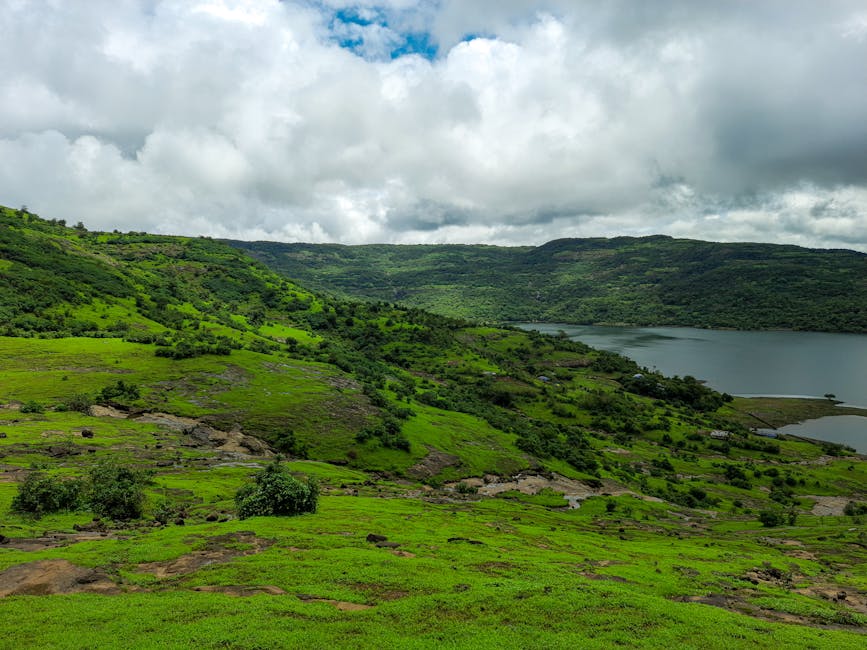
For a first trip, October wins outright. The weather is perfect — cool enough to walk all day without overheating, warm enough that evenings don’t require heavy packing. Autumn foliage around Gyeongbokgung Palace and Bukhansan creates the kind of imagery people associate with spring cherry blossoms, without the same price spike or crowd density. A mid-range Seoul hotel in October runs $150–$195/night. The same room in early April costs $250–$400.
If spring is genuinely the goal, book the last week of March. Early blooms are already appearing in southern spots — Jeju’s canola fields, coastal towns in South Gyeongsang — and Seoul’s parks are warming up without the full April surge. Hotel rates are $120–$160/night rather than the April ceiling. It requires accepting that central Seoul’s cherry blossoms may be partially open rather than at peak, but the rest of the trip experience is considerably more comfortable.
May is the budget traveller’s answer. Post-blossom greenery, warm evenings, outdoor dining culture in full swing, and accommodation prices that have fully reset from the April spike. Nobody’s writing enthusiastic blog posts about Korea in May, which is precisely why it works.
My friend went back to Korea in October, eighteen months after her April disaster. She stayed at the Signiel Seoul — a genuine splurge, but actually bookable at October rates without the months-in-advance scramble. She spent five days walking through palaces, hiking outside the city, and eating through Gwangjang Market without fighting through tour groups. She said it felt like a completely different country from the April trip. That version of Korea — unhurried, affordable relative to peak, visually stunning — is the one worth planning toward.
