
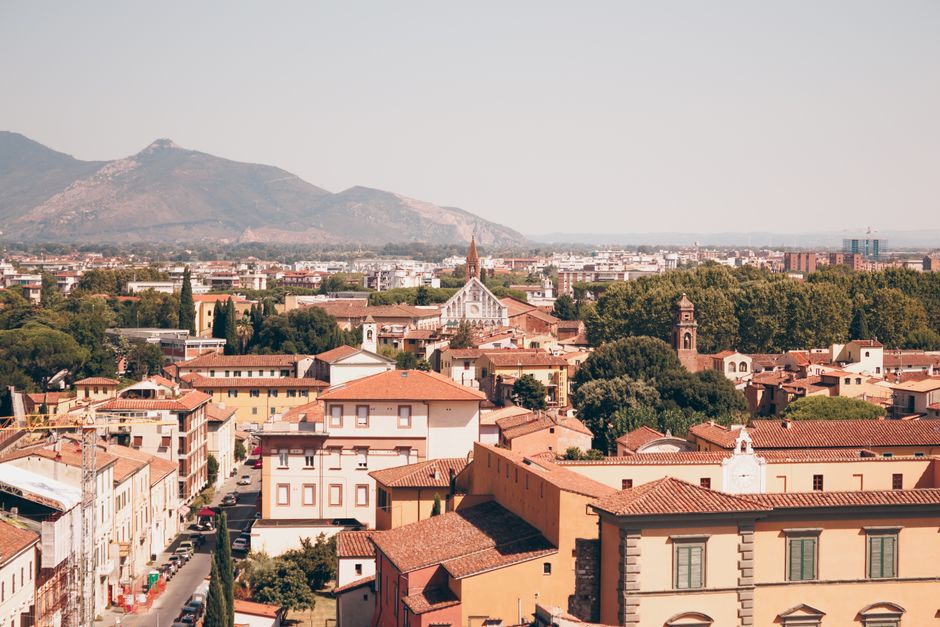
The strongest Italian foodie road trip is not a race between Rome, Florence and Venice. Follow a slower route through Marche, Abruzzo and Molise instead. These regions offer stuffed olives, handmade pasta, mountain lamb, Adriatic fish and old farm cheeses without the same pressure on tables, parking and hotel prices.
Plan one major meal each day, keep the driving under three hours, and leave room for small bakeries and village markets. That balance turns a list of restaurants into a trip with a real sense of place.
Which Italian regions make the best foodie road-trip route?
Marche, Abruzzo and Molise form the best three-region spine for travelers who want serious food without a crowded-city itinerary. The route works because the flavors change as the landscape changes: Marche brings olive oil, filled pasta and fried specialties; Abruzzo shifts toward sheep, saffron, lentils and strong cured meats; Molise finishes with caciocavallo, truffles and simple coastal cooking.
Match each region to one food goal
| Region | Best food focus | Useful base |
|---|---|---|
| Marche | Olive all’ascolana, vincisgrassi, ciauscolo and Verdicchio | Ascoli Piceno |
| Abruzzo | Arrosticini, saffron, pecorino, lentils and Montepulciano d’Abruzzo | Sulmona or L’Aquila |
| Molise | Caciocavallo, truffles, ventricina and Adriatic brodetto | Agnone or Termoli |
Choose a car that fits the villages
A small rental car is the right tool. A Fiat Panda Hybrid, with its 1.0-liter mild-hybrid engine and roughly 3.65-meter length, is easier to place on narrow lanes than a large SUV. For navigation, the Garmin DriveSmart 66 adds a six-inch display and typically costs about $300, but a downloaded Google Maps area can handle most of the route at no extra cost. The clear winner for this trip is the smallest car with enough luggage space. Large vehicles create parking problems and add nothing to the meals.
How do you map a seven-day route without rushing meals?
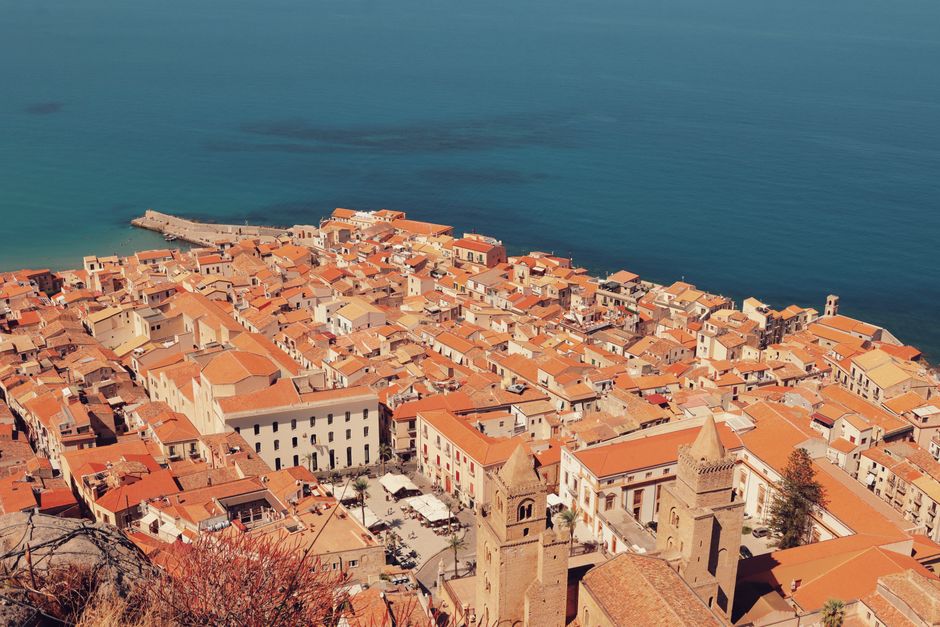
Use a one-way route from Ancona to Pescara or Rome rather than forcing a loop. A one-way rental may cost more, yet it saves the hours that would otherwise disappear on the return drive. The schedule below leaves time for lunch, a market stop and a relaxed dinner.
A practical Marche-to-Molise schedule
| Day | Route | Approximate drive | Food anchor |
|---|---|---|---|
| 1 | Ancona to Ascoli Piceno | 1 hour 35 minutes | Olive all’ascolana and local vermouth |
| 2 | Ascoli Piceno and Offida | Under 1 hour | Vincisgrassi, pecorino and Rosso Piceno |
| 3 | Ascoli Piceno to L’Aquila | About 2 hours | Saffron dishes and mountain pasta |
| 4 | L’Aquila to Sulmona | About 1 hour 20 minutes | Confetti, lentils and local cheese |
| 5 | Sulmona to Guardiagrele | About 1 hour 45 minutes | Maccheroni alla chitarra and roasted lamb |
| 6 | Guardiagrele to Termoli | About 1 hour 35 minutes | Adriatic fish and Molise olive oil |
| 7 | Termoli and departure | Based on flight or train | Brodetto or a long bakery breakfast |
Give every overnight stop a job
Stay in Ascoli Piceno for two nights because the historic center rewards walking between meals. Use Sulmona as the transition point between the Apennines and the coast. End in Termoli if seafood matters more than hill towns. If your flight leaves from Rome, add a final transfer day; do not schedule a long lunch beside a same-day international departure.
How should you plan meals around local food culture?
Book the meal that defines the region, then leave the rest open. A rigid restaurant calendar can make a food trip feel like work. In smaller towns, the best discovery may be a forno selling warm pizza al taglio, a salumeria cutting ciauscolo, or a bar serving a pastry that never appears on an English-language list.
Reserve the meals that have limited capacity
Reserve one dinner at a well-reviewed trattoria in each main base, especially for Friday and Saturday nights. Ask the hotel to confirm opening days by phone because rural restaurants often close one or two weekdays. At lunch, arrive around 12:30 or 1 p.m. and expect a slower meal. A regional tasting menu may take two hours; that is a reason to shorten the afternoon drive, not a problem to solve.
Build a food kit for market days
An Apple AirTag costs $29 in the United States and can help locate a checked bag carrying regional olive oil or sealed cheese after a flight. An Anker 323 Power Bank, with 10,000mAh capacity and 12W output, often sells near $20 and keeps a phone alive during map searches, translation and restaurant calls. These are small supports, not the point of the trip. Carry cash in small notes, a reusable bag, and a container for dry bakery items. Avoid buying fresh cheese or opened meat on the first day if you will spend several hours in a warm car.
What mistakes derail an Italian food road trip?
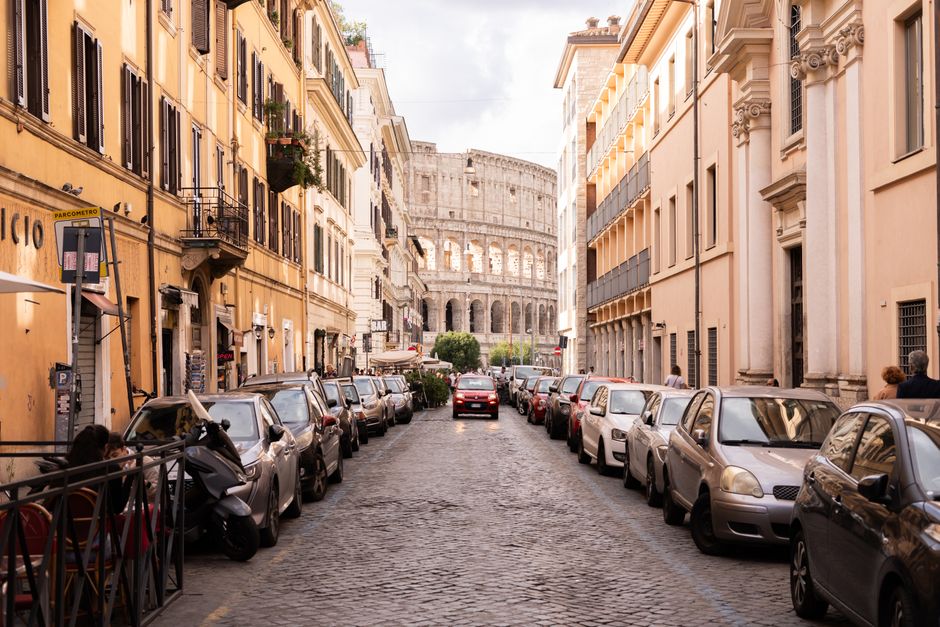
The biggest mistake is treating every stop as a sightseeing stop and every meal as a quick refueling break. Regional cuisine depends on timing, local supply and patience. The following errors cost more than they save.
Common planning failures
- Too many bases: Changing hotels every night leaves no time for markets, laundry or a second look at a town that deserves it. Three bases are enough for seven days.
- Driving at lunchtime: A two-hour route scheduled from noon to 2 p.m. often means missing the best service window. Drive after breakfast or after lunch.
- Ordering only familiar dishes: Choosing pizza and carbonara everywhere hides the reason to visit these regions. Order one local specialty, then add something you already know.
- Ignoring closures: A popular trattoria may close on Monday, while a small bakery may sell out before noon. Check the same week, not only when you first build the itinerary.
- Parking in the historic center: Many old towns have restricted traffic zones. Park outside the walls and walk in rather than risking a fine.
Know when to change the route
Skip a mountain detour during heavy rain, snow or a late arrival. The coast offers a safer backup with fish restaurants and shorter drives. Also skip a food festival if the event turns a quiet town into a traffic jam and your goal is a calm local meal. The winning plan has one clear food priority and one simple backup for every day.
What should you book before leaving home?
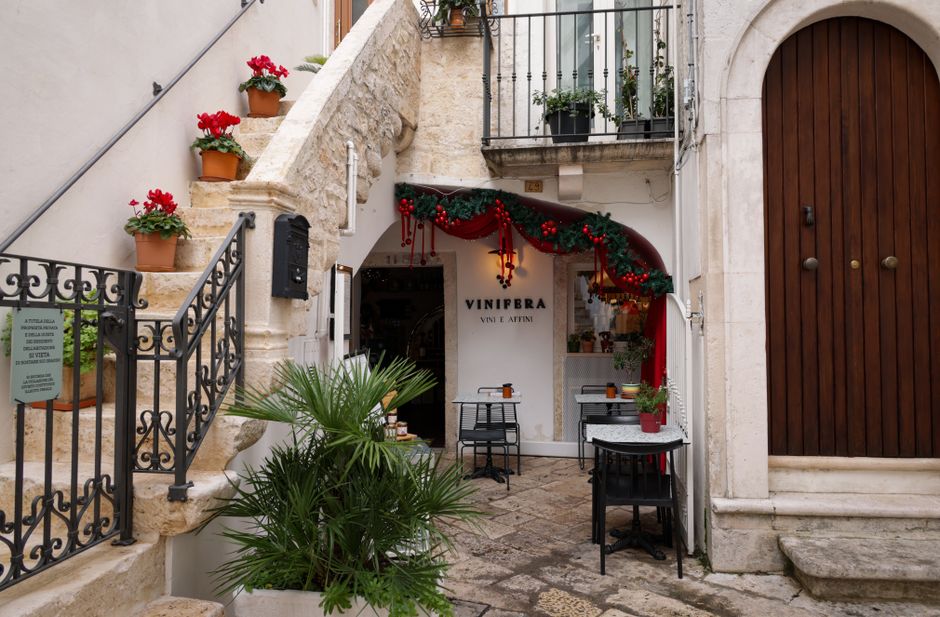
Book transport, the first two nights and a small number of anchor meals. Keep village stops, bakeries and most lunches flexible. That approach protects the trip from sold-out rooms without turning every hour into a reservation.
Should you reserve the rental car early?
Yes. Reserve a compact manual car several weeks ahead, then compare the final price after insurance, one-way fees and fuel terms. For drivers who prefer an automatic, book earlier because the available fleet is smaller. Photograph the car at pickup, check the fuel level and confirm the return location before leaving the lot.
Should you carry printed directions?
Carry one paper page with hotel names, addresses and phone numbers. Rural signal can fail in mountain valleys, and a paper address helps when a host gives directions using a landmark instead of a street number. The Garmin DriveSmart 66 is useful for drivers who want a dedicated screen, but it is not necessary if your phone has offline maps and a reliable charger.
How much flexibility is enough?
Leave one unbooked meal each day and one half-day with no fixed attraction. Spend it at the place that smells best when you walk past. This is not legal advice — consult a licensed attorney for questions about driving rules, rental contracts or cross-border travel. For the traveler who began by searching for Italy beyond its famous cities, the resolution is simple: follow the food from Marche to Abruzzo to Molise, drive less, and let the regional differences set the pace.
