
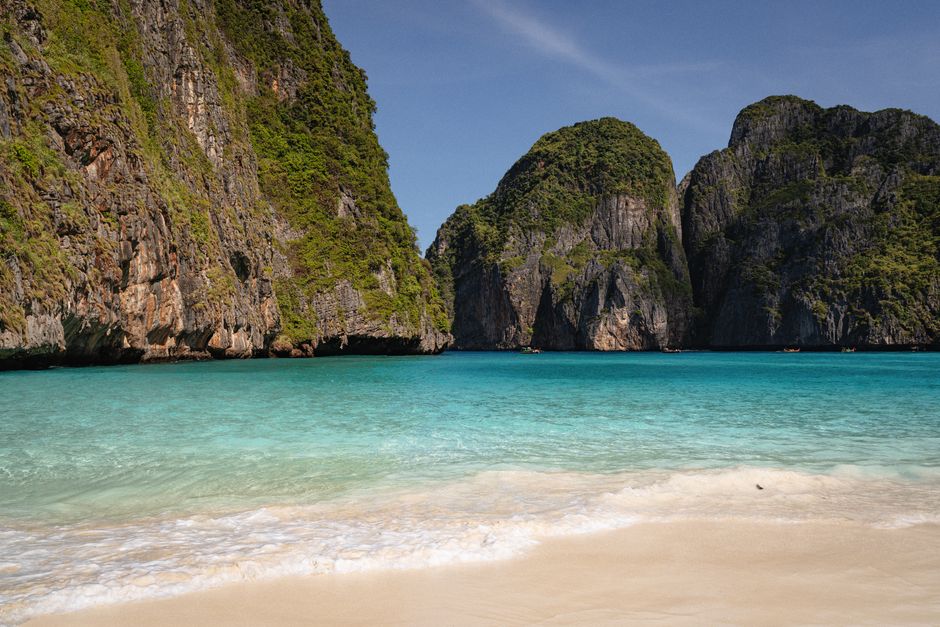
You’ve saved up, booked time off work, and now you’re stuck between Bali and Thailand. Both are cheap. Both have beaches. Both are full of other backpackers. So what’s the real difference for someone who’s never done this before?
After talking to dozens of first-timers who picked one or the other, here’s the honest breakdown. No fluff. Just the stuff that actually matters when you land with a backpack and no plan.
Budget Reality Check: Where Does Your Money Go Further?
Let’s cut straight to it. Thailand is cheaper overall, but the gap is narrower than most blogs admit. Here’s what real spending looks like in 2026.
| Expense | Bali (IDR) | Thailand (THB) | Winner |
|---|---|---|---|
| Dorm bed (hostel) | IDR 120,000–200,000 | THB 180–350 | Thailand (slightly) |
| Street meal | IDR 25,000–40,000 | THB 40–80 | Thailand |
| Local beer (Bintang vs. Chang) | IDR 35,000–50,000 | THB 60–100 | Bali |
| Scooter rental (per day) | IDR 60,000–80,000 | THB 200–300 | Bali |
| ATM fee per withdrawal | IDR 25,000–35,000 | THB 220 | Thailand |
Key takeaway: You’ll spend roughly the same on accommodation. Food is cheaper in Thailand, but scooter transport is cheaper in Bali. The real budget killer? ATM fees. Bring a card that reimburses foreign transaction fees — the Wise debit card (free to open, 0.5% fee on conversion) saves you about $8 per withdrawal compared to a standard bank card.
The hidden cost of Bali’s tourist tax
Since 2026, Bali charges a IDR 150,000 ($10 USD) tourist levy on arrival. Thailand has no equivalent fee. That’s a $10 head start for Thailand before you’ve even eaten your first pad thai.
Getting Around: Which Country Is Easier for a First-Timer?
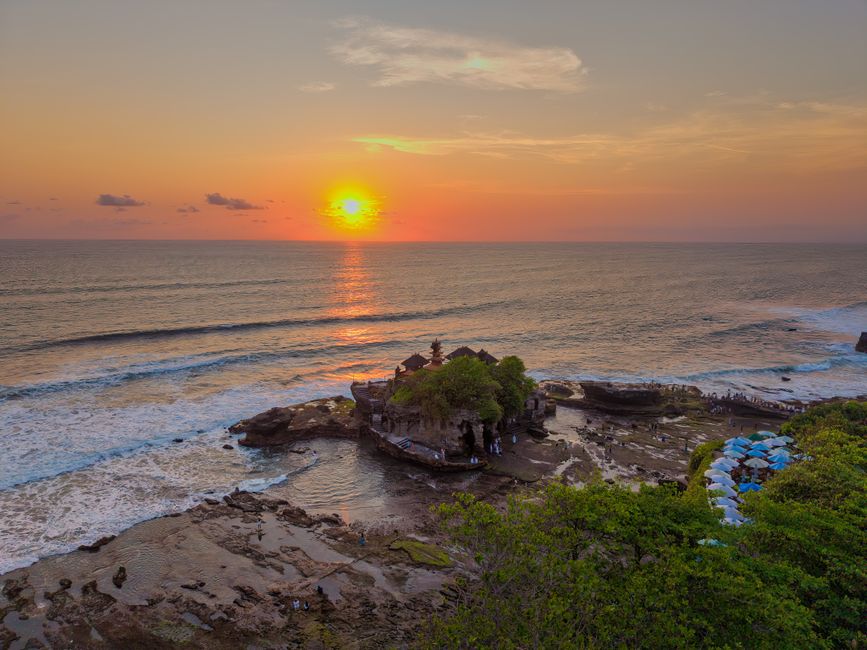
This is where the two places feel completely different. Thailand’s infrastructure is built for tourists. Trains, minivans, ferries — they all run on predictable schedules. You can book a ticket from Bangkok to Chiang Mai on 12Go.asia (free app, no booking fee) in under 2 minutes.
Bali? You’re stuck with scooter or car. No trains. Buses that run whenever they feel like it. Grab (Southeast Asia’s Uber) works in Bali, but a 20-minute ride from Canggu to Ubud costs about IDR 120,000 ($8). Do that twice a day and you’ve blown your food budget.
Verdict: If you don’t ride a scooter, pick Thailand. You’ll waste less time waiting for rides and more time actually exploring.
When NOT to ride a scooter in Bali
First-time riders crash. A lot. Bali’s roads are narrow, unlit, and full of dogs that sleep in the middle of the street. Hospital bills for a broken collarbone run IDR 5-10 million ($350-700). Your travel insurance must cover scooter accidents — check your policy before you leave. World Nomads (starts at $45/week) covers scooter riding up to 125cc with a valid license.
Safety and Scams: The Stuff Nobody Warns You About
Both places are safe for solo travelers. Violent crime is rare. But scams? That’s a different story.
Bali’s classic scams: Taxi drivers who quote triple the Grab price. “Free” bracelets that turn into aggressive demands for money. ATMs that “eat” your card and a local offers to help — then steals your PIN. Solution: Use Grab for all transport. Say “no” firmly to street vendors. Only use ATMs inside banks, not random convenience stores.
Thailand’s classic scams: Tuk-tuk drivers who offer a “cheap” tour that ends at a gem store. Jet ski rentals that claim you damaged the hull and demand $500 cash. Solution: Never take a tuk-tuk tour. Take photos of any rental before you use it. Use Bolt (free app, 10% cheaper than Grab in Thailand) for fixed-price rides.
Real safety difference: Thailand’s roads are safer for pedestrians. Bali’s sidewalks are often broken or nonexistent. You’ll walk in the road. That’s just how it is.
Culture and Vibe: What Kind of Trip Do You Actually Want?
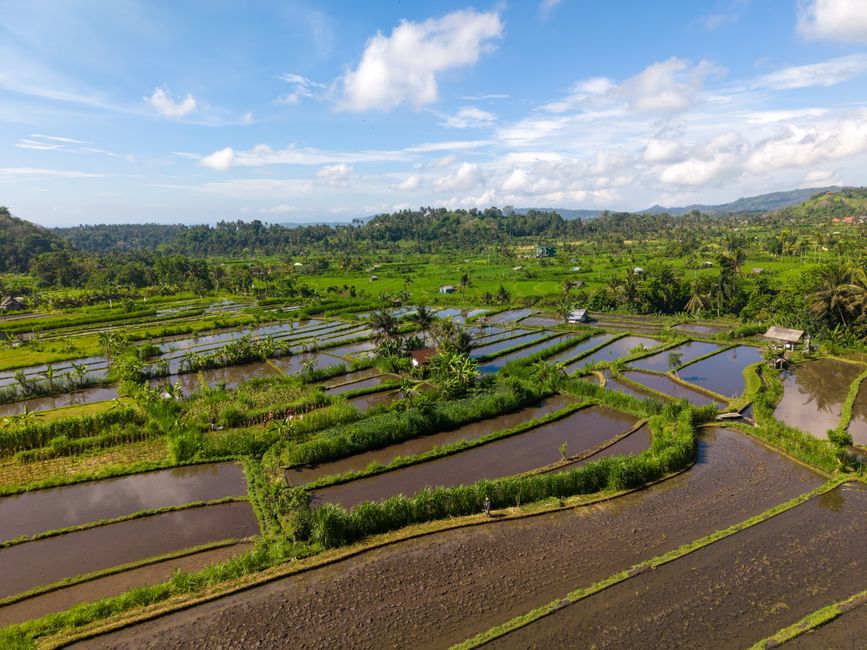
This is the question most people get wrong. They pick a destination based on Instagram photos, not the actual experience.
Bali = spiritual tourism meets party scene. Ubud is yoga retreats and vegan cafes. Canggu is surfers and laptop workers. Seminyak is clubs and expensive cocktails. The vibe shifts every 20 minutes of driving. You can do sunrise at a temple, afternoon surfing, and dinner at a beach club all in one day.
Thailand = more variety, less pretension. Bangkok is chaotic street food and rooftop bars. Chiang Mai is laid-back and cheap — think $2 massages and night markets. The islands (Koh Phangan, Koh Tao) are pure backpacker territory. You’ll meet more people traveling long-term. The vibe feels more “real” and less curated.
My pick: If you want to focus on self-improvement and aesthetics, Bali. If you want to party cheap and meet other backpackers, Thailand wins every time. Khao San Road in Bangkok is the backpacker epicenter — a chaotic street of $2 beers, pad thai stalls, and hostels where you’ll make friends in 5 minutes.
The digital nomad trap in Bali
Bali is full of people “working remotely” who actually spend 4 hours a day in cafes drinking $5 smoothie bowls. The coworking spaces (Hubud in Ubud costs IDR 150,000/day) are nice, but the internet can drop during rainy season (November–March). If you need reliable video call quality, Thailand’s Punspace in Chiang Mai (THB 250/day) has fiber optic that never fails.
Food: Which Destination Satisfies a Backpacker Budget?
Street food in both places is incredible. But the logistics are different.
Thailand: Street stalls everywhere. You can eat for THB 40–60 ($1.20–1.80) per meal. Pad thai, green curry, mango sticky rice. No tipping. No service charge. Just hand over the cash and eat on a plastic stool. Warning: Spice levels vary wildly. “Mai phet” (not spicy) still means some chili. Keep a bottle of water handy.
Bali: Street food exists but it’s harder to find. Most budget meals are in warungs (small family restaurants). A nasi goreng costs IDR 25,000 ($1.70). The problem? Bali belly is real. The local water quality is worse than Thailand’s. Stick to bottled water and avoid ice from street vendors. Imodium (about $5 at any pharmacy) should be in your bag before you land.
Verdict: Thailand is easier, cheaper, and safer for street food. Bali requires more caution but rewards you with incredible plant-based options if that’s your thing.
The Final Decision: Which One Should You Pick?
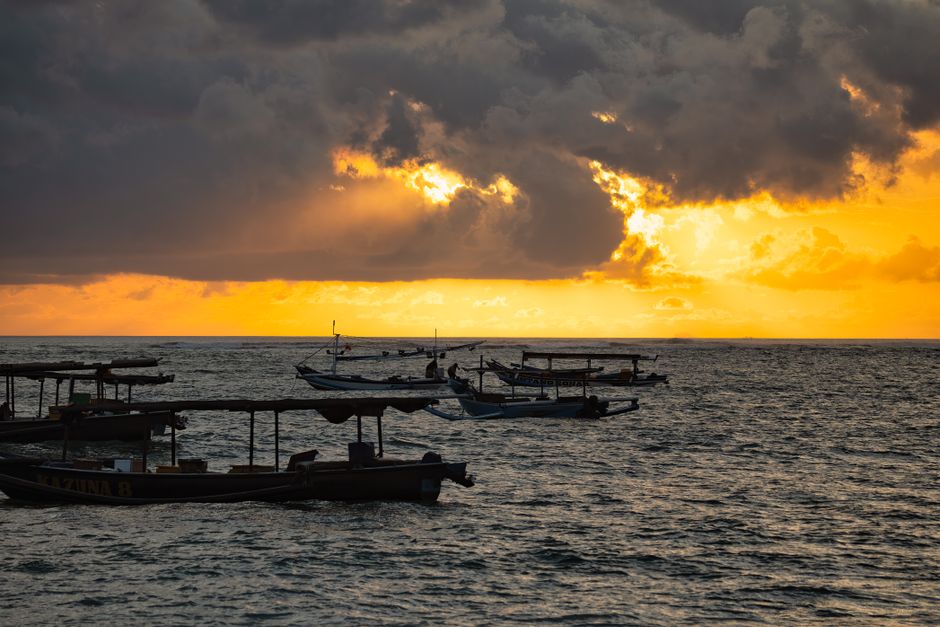
Here’s the honest answer, not the “it depends” cop-out.
Pick Thailand if: You want the easiest introduction to backpacking. Cheap food, reliable transport, English widely spoken, and a well-worn path that’s hard to mess up. Start in Bangkok, take the night train to Chiang Mai, then fly to Koh Phangan for the full moon party. Total cost for 2 weeks: $600–800 including flights from most Asian hubs.
Pick Bali if: You’re okay with a bit more chaos. You want to surf, do yoga, and eat plant-based. You don’t mind planning transport in advance. You’re comfortable on a scooter. Total cost for 2 weeks: $700–1,000 including the tourist levy.
Still undecided? Do both. Flights from Bali to Bangkok on AirAsia cost $80–120. Two weeks in Thailand, then fly to Bali for another week. You’ll know exactly which one you prefer for next time.
Pack light. Bring a reusable water bottle with a filter (the Lifestraw Go costs $25 and saves you buying plastic bottles). And for the love of good travel, buy travel insurance before you leave. SafetyWing covers both countries at $45/month. One scooter crash without it will ruin your trip and your savings.
