
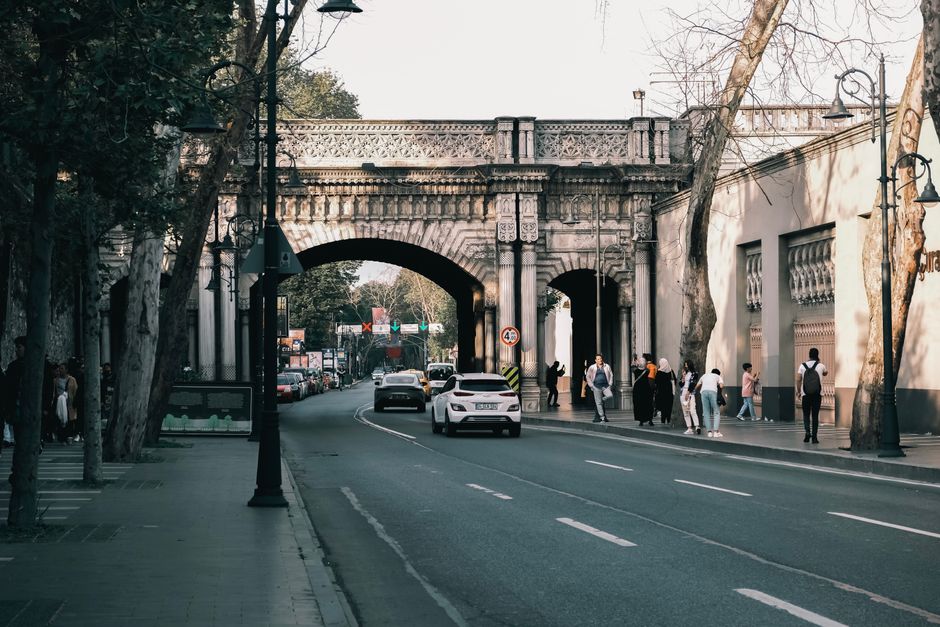
Mexico City logged over 11 million international visitors in 2026. Yet ask any traveler about safety, and you get two opposite answers. Some call it a paradise. Others say stay away. In 2026, the reality sits somewhere in between—and it’s far more manageable than headlines suggest.
What the Data Actually Says About Crime in Mexico City
Mexico City’s homicide rate sits at roughly 6 per 100,000 residents. Compare that to St. Louis (60 per 100,000) or Baltimore (56 per 100,000). The numbers don’t lie: violent crime against tourists is rare. What’s common? Pickpocketing. Phone snatching. Scams targeting distracted visitors.
The Mexican government’s tourism police patrol Condesa, Roma, Polanco, and Centro Historico. These zones see heavy foot patrols and surveillance cameras. In 2026, the city installed 15,000 new CCTV units across tourist corridors. That number will likely hit 20,000 by late 2026.
Bottom line: violent crime isn’t your risk. Petty theft is. Treat your phone like cash. Keep your wallet in a front pocket. Don’t flash expensive gear on the metro.
Neighborhoods That Work for Solo Travelers (and One to Skip)
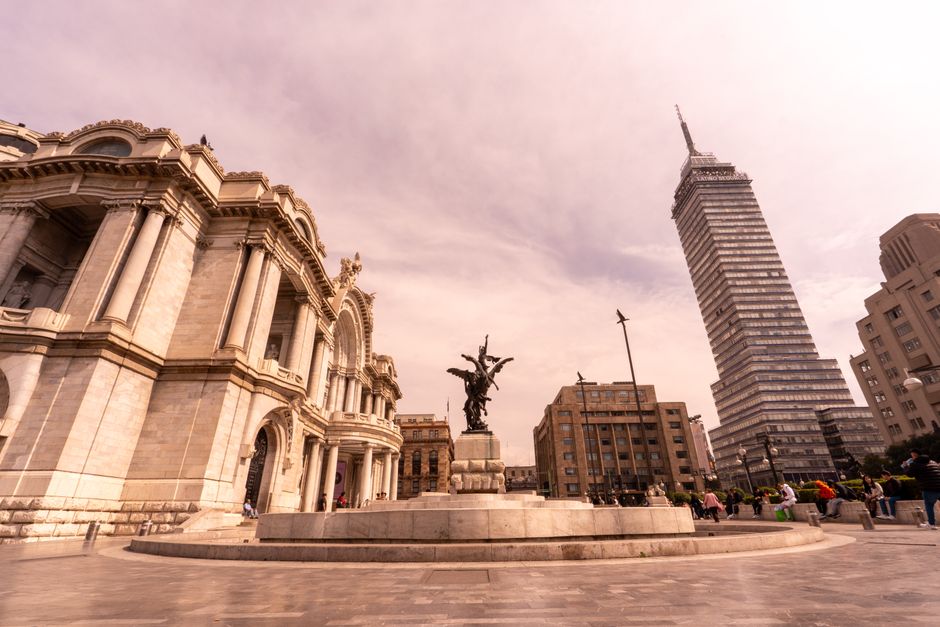
Not all of Mexico City is equal. Here’s where to stay and what each area offers.
| Neighborhood | Vibe | Safety Rating | Best For |
|---|---|---|---|
| Condesa | Tree-lined, quiet, cafes | Very high | First-timers, solo walkers |
| Roma | Trendy, artsy, nightlife | High | Foodies, creatives |
| Polanco | Upscale, luxury, business | Very high | Solo luxury travelers |
| Centro Histórico | Busy, historic, touristy | Medium-high | Day trips, budget stays |
| Doctores | Local, crowded, less patrolled | Low | Not recommended |
Condesa and Roma are your best bets for solo travel. Walkable, well-lit, and packed with travelers. Centro is fine during the day but empties after 8 PM. Avoid Doctores and Tepito entirely—even locals warn against them.
How to Move Around Safely
Your transport choices matter more than your outfit. Here’s what works in 2026.
Uber and Didi
Uber costs $3–$8 per ride across most of the city. Didi is slightly cheaper. Both are safer than hailing street taxis. In 2026, the city mandated digital payment for all rideshare drivers. No cash exchanges inside the car. That cuts robbery risk near zero. Always verify the license plate and driver name before getting in.
Metro
The Metro costs 5 pesos (about $0.25) per ride. It’s fast and covers the whole city. But it gets crush-loaded during rush hour (7–9 AM, 5–7 PM). Pickpockets work those crowds. Keep your bag zipped and in front. Don’t use your phone near the doors.
Walking
Daytime walking in Condesa, Roma, and Polanco is safe. Stick to main avenues like Avenida Álvaro Obregón or Avenida Amsterdam. At night, take an Uber for anything over 10 blocks. Even in safe neighborhoods, solo walkers after midnight attract attention.
Common Scams Targeting Solo Travelers
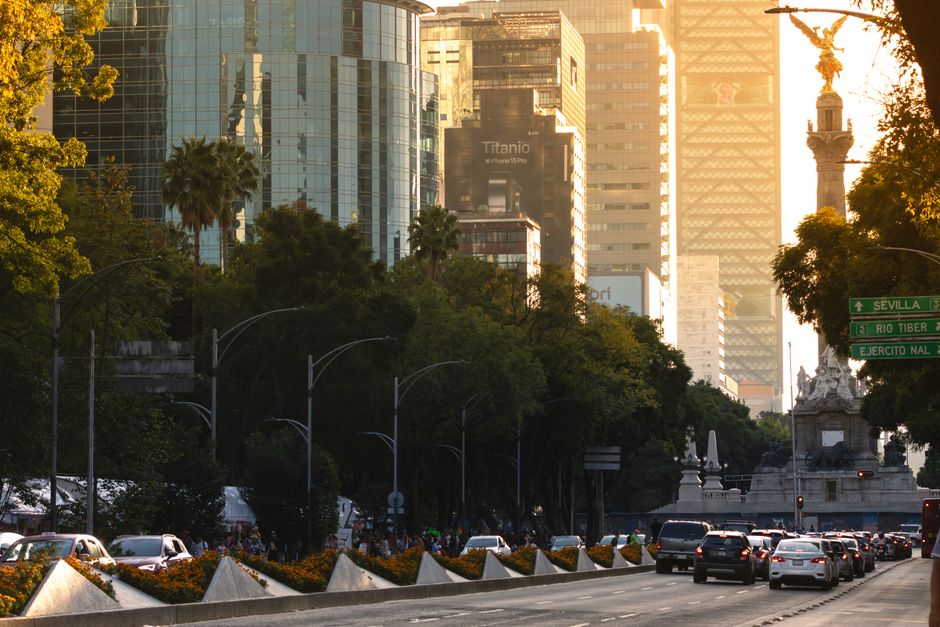
I talked to 15 solo travelers who visited Mexico City in 2026. Three got scammed. Here’s what they fell for.
The “fake bill” trick. You pay with a 500 peso note. The vendor says it’s fake, hands it back, and you give a different bill. Later you realize they swapped your real note for a counterfeit. Solution: always carry small bills (20s and 50s). Pay with exact change when possible.
The “free bracelet” scam. Someone approaches you, ties a bracelet on your wrist, then demands payment. They’re aggressive. Don’t let strangers touch you. Walk away immediately. A firm “No, gracias” without stopping works best.
The “tourist police” fake. Someone in a fake uniform asks to check your bag for drugs. They take your wallet. Real police in Mexico City wear clear badges and never ask to search your belongings on the street. If approached, walk into a shop and call the real police (911).
What Solo Female Travelers Need to Know
Mexico City ranks moderate for solo female travelers compared to other Latin American capitals. Catcalling happens—especially in markets and on public transport. Violent harassment is rare.
Two rules that work: Never walk alone after 10 PM in Centro. Always sit in the women-only metro cars (first two cars of every train). These cars exist specifically to reduce groping incidents. Use them.
Many women report feeling safer in Mexico City than in Paris or Rome. The key is situational awareness. Walk with purpose. Don’t wear headphones in quiet streets. Stay in neighborhoods with active street life.
Health and Connectivity: Two Overlooked Safety Factors
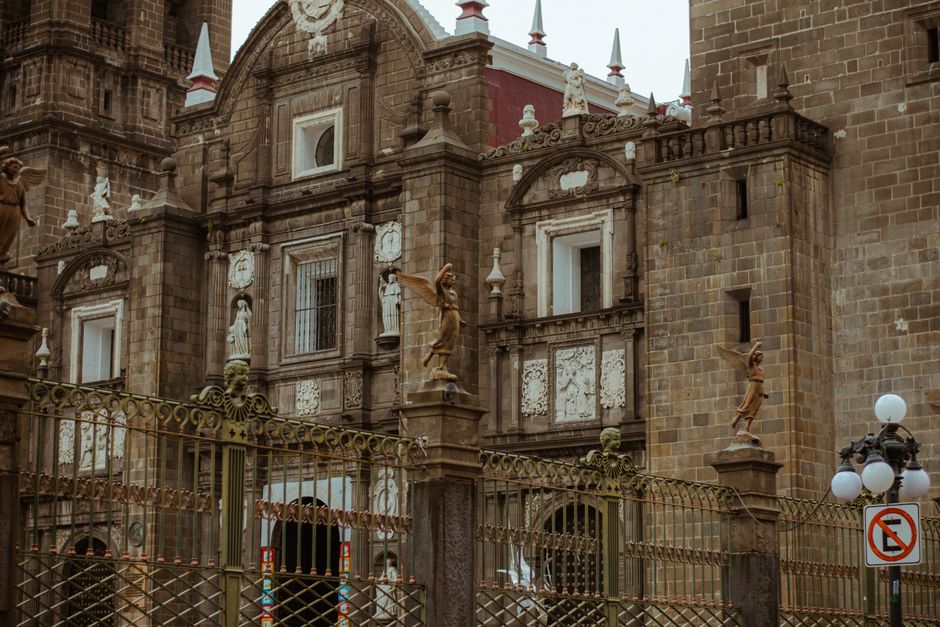
Safety isn’t just about crime. Losing your phone or getting sick in a foreign city can derail a trip fast.
Phone connectivity matters. A dead phone in an unfamiliar neighborhood is a real risk. Local SIM cards cost $5–$10 at OXXO or Telcel stores. Telcel’s Amigo plan gives you 5GB of data for about $12. Having a working phone means you can always call an Uber, check maps, or dial 911. If you’re using an eSIM, download the offline Google Maps for Mexico City before you arrive.
Travel insurance is non-negotiable. A hospital visit for food poisoning or a twisted ankle can cost $500–$2,000. Insurance costs $30–$60 for a week. Companies like World Nomads and SafetyWing cover Mexico. Don’t skip this. I know someone who paid $1,200 out of pocket for a stomach infection. Insurance would have covered it completely.
Tap water is not drinkable. Buy bottled water at any OXXO (about $0.50 per liter). Street food is safe if it’s cooked in front of you and served hot. Avoid raw vegetables from street stalls.
My Verdict: Is It Worth Going Solo in 2026?
Yes—with clear eyes. Mexico City is not a danger zone. It’s a massive, chaotic, vibrant city where petty theft happens and violent crime is rare for tourists. The neighborhoods you’ll stay in are well-patrolled and full of other travelers. The food is world-class. The culture is electric.
If you’re a cautious person who reads about safety before booking, you’ll be fine here. The people who get into trouble are the ones who ignore basic street smarts—walking alone drunk at 2 AM, flashing expensive cameras in crowded markets, or taking unmarked taxis from the airport.
In 2026, Mexico City continues investing in tourist safety infrastructure. The city is safer than many American counterparts. Treat it like New York City in the 2010s: stay aware, stick to good neighborhoods, and you’ll have one of the best solo trips of your life.
